Acquisition ramechanic describes a technical acquisition approach that focuses on systems, teams, and code. The reader learns how to assess technical fit, cost, and risk. The guide shows clear steps to evaluate targets and to merge assets. The reader finds practical checks, metrics, and an integration playbook. The reader gains tools to reduce downtime and to protect product velocity during the deal.
Key Takeaways
- Acquisition ramechanic focuses on evaluating technical fit, cost, and risk to efficiently integrate acquired technology systems and teams.
- This strategy is ideal when quick scaling or access to unique IP and engineering talent is necessary to meet business demands faster than organic build.
- A thorough due diligence process includes assessing code quality, deployment frequency, technical debt, and cultural fit to prevent costly integration issues.
- The integration playbook recommends freezing major changes, running stabilization sprints, migrating access carefully, and assigning clear ownership to maintain product velocity.
- Common pitfalls like ignoring test coverage, rushing system replacements, and poor knowledge transfer can be avoided by enforcing quality gates, gradual migrations, and paired shifts.
- Tracking key metrics such as velocity, cost, and security throughout acquisition ramechanic helps protect uptime, user experience, and revenue growth.
What Acquisition Ramechanic Means And Why It Matters
Acquisition ramechanic means buying a technology asset with a plan to run and improve it. Firms use acquisition ramechanic to add engineers, IP, or infrastructure quickly. The approach matters when time to market and technical scale matter more than brand alone. The team evaluates code quality, deployment pipelines, and ownership before closing. The buyer measures how the acquired system will affect uptime, cost, and product roadmaps. Simple, early checks often prevent costly rewrites and stalled launches.
When To Pursue An Acquisition Ramechanic Strategy
A leader chooses acquisition ramechanic when organic build time exceeds business need. The leader picks this path when skilled staff or unique IP exist outside the company. The leader also uses acquisition ramechanic when scaling quickly will unlock revenue or reduce risk. The buyer avoids this path when the target lacks maintainable code or when cultural fit looks poor. The buyer runs a short technical audit before signing letters to confirm feasibility.
Key Metrics And Due Diligence Checklist
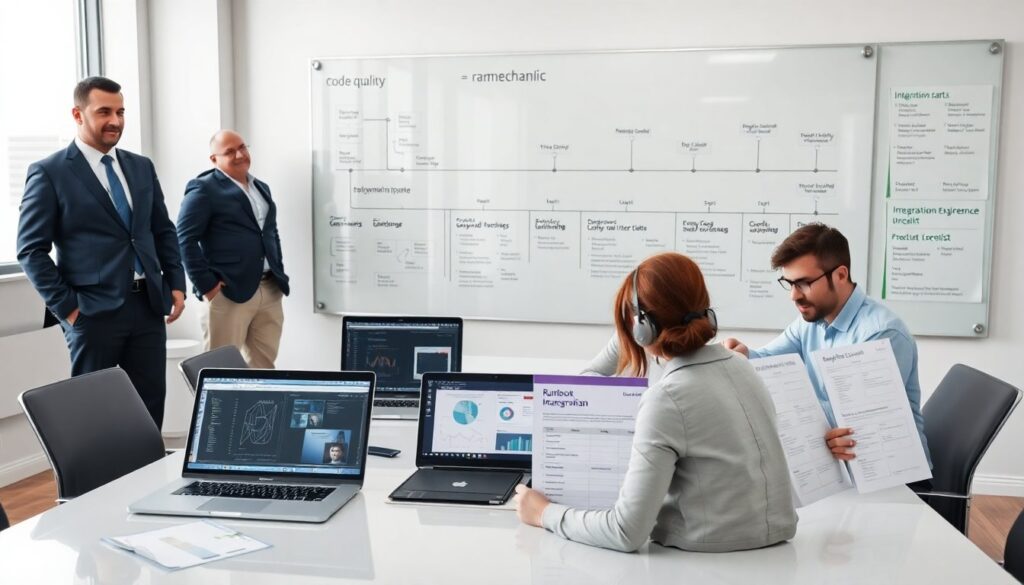
The checklist covers velocity, quality, cost, and security. The buyer scores each area to compare targets and to set integration priorities.
Financial, Technical, And Cultural Signals To Evaluate
The buyer checks financial burn and revenue contribution. The buyer measures technical debt, test coverage, and deployment frequency. The buyer inspects cloud spend and third-party licenses. The buyer interviews engineers to learn ownership and knowledge gaps. The buyer watches for cultural signals like engineering practices, release discipline, and documentation levels. The buyer flags missing CI, flaky tests, or hardcoded secrets as high risk items.
Step‑By‑Step Integration Playbook
Step 1: Freeze major changes and document the current state. The team locks production and captures runbooks.
Step 2: Run a 30-day health sprint. The team fixes urgent bugs, stabilizes CI, and adds tests.
Step 3: Migrate access and accounts. The team centralizes credentials and aligns billing to avoid surprises.
Step 4: Map responsibilities. The buyer assigns owners for services, pipelines, and incidents.
Step 5: Optimize iteratively. The team reduces duplicated services and consolidates monitoring in phases. Each step uses short cycles and clear success criteria.
Common Pitfalls And How To Avoid Them
Pitfall: Ignoring test coverage. The result: hidden bugs and slow releases. The fix: require minimum coverage and add gating tests.
Pitfall: Underestimating knowledge transfer. The result: operational blind spots. The fix: schedule paired shifts and recorded runbooks.
Pitfall: Rushing to replace systems. The result: downtime and lost features. The fix: run parallel paths and migrate traffic gradually.
Pitfall: Failing to align teams. The result: duplicated work and friction. The fix: set shared KPIs and a single roadmap for 90 days.
The buyer who tracks these risks will hold velocity while protecting users and revenue.