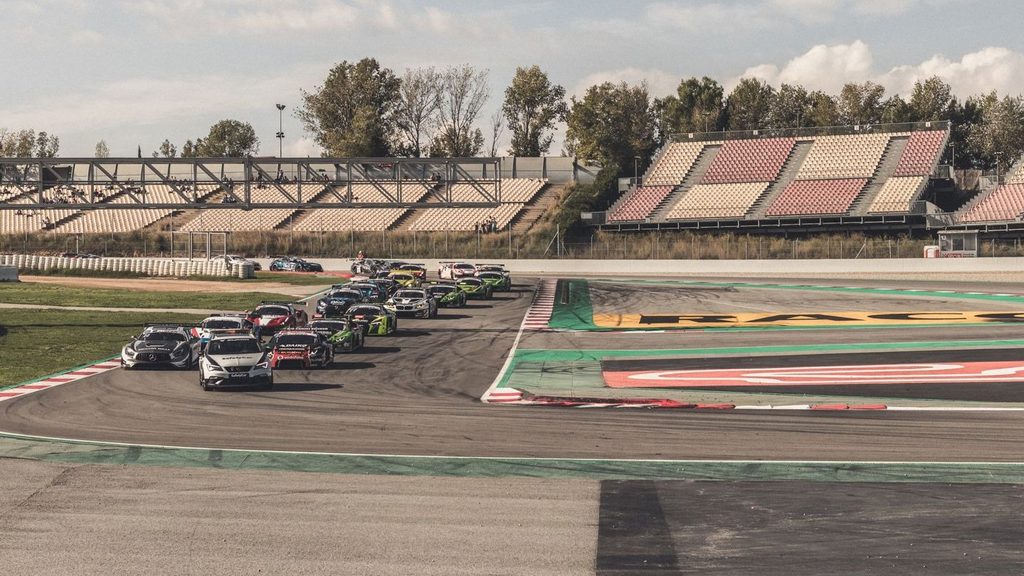
Mechanical durability and tire wear can decide more races than outright single-lap speed.
Understanding what is happening beneath the bodywork gives racing fans a clearer way to read changing betting markets.
Spend a Sunday afternoon following the action in the paddock and one thing quickly becomes clear: raw horsepower alone rarely wins trophies. Engine durability and the condition of four rapidly wearing contact patches can quietly dictate race pace, sending live markets in unexpected directions.
Learning to recognize these trackside variables adds another layer to race watching and gives you more context when approaching sports betting.
The Hidden Toll of Engine Heat on Grand Prix Markets
Every circuit places different demands on an engine. High track temperatures, thin mountain air and long full-throttle straights can push internal combustion units and hybrid systems close to their operating limits.
Oddsmakers pay attention to what is happening in the garage because a mechanical failure can remove a favorite from contention without warning. A fresh power unit may give a car additional performance, but taking an extra engine can also mean starting farther back on the grid. That change can quickly affect odds across sports betting platforms.
For anyone following the market, practice sessions provide useful clues. Watching how aggressively teams run their engines can reveal how comfortable they are with reliability, particularly when high ambient temperatures put additional pressure on cooling systems. Rather than focusing entirely on headline lap times, you can look at how consistently a car performs across longer runs.
Catching Garage Warning Signs Before the Race
Engine problems do not always appear without warning. If you open your betway account to look at head-to-head driver matchups, practice telemetry and garage updates can provide additional context before the market responds to developing reliability concerns.
Racing engineers constantly monitor subtle signs that could point towards mechanical trouble:
- Unusual vibration spikes through the drivetrain during longer practice runs.
- Sudden puffs of smoke or the smell of burnt oil during aggressive downshifts.
- Concerned radio messages about falling water pressure or rising gearbox temperatures.
- Late Saturday changes to exhaust manifolds or electronic control units.
None of these signals guarantees that a car will fail, but together they can help explain why certain drivers suddenly appear more vulnerable. Looking beyond qualifying position can also bring reliable midfield contenders into the conversation.
Checking your Betway account during qualifying lets you compare developing technical concerns with market changes. The same applies on race morning, when new garage information may alter expectations around particular runners.
For anyone interested in sports betting, the important point is not to treat every mechanical rumor as decisive, but to understand how reliability can influence the race.
The Art of Tire Management and Stint Survival
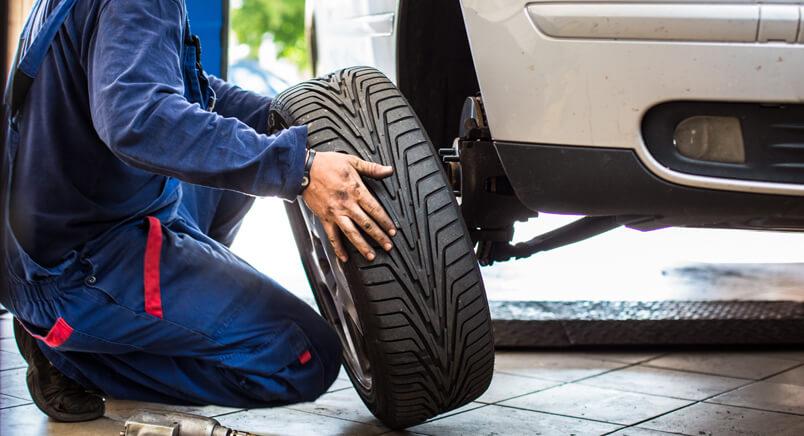
Tires are one of motorsport’s great equalizers and degradation rarely happens at a perfectly steady rate. As softer rubber repeatedly scrubs against abrasive asphalt, the compound can overheat, blister and lose grip, gradually pushing lap times in the wrong direction.
Some drivers wear through their front tires quickly, while others are particularly good at preserving delicate compounds across a long stint without sacrificing as much pace. High-speed sweeping corners add another complication because they create heavy lateral loads that can accelerate wear.
Once a car begins sliding through the middle of a corner, the problem can compound itself.
Sliding generates more heat; additional heat reduces grip and the resulting loss of performance can force an earlier pit stop. Bookmakers account for these patterns when adjusting odds for drivers with different tire-management strengths.
When you access your Betway account to examine driver markets, driving style is therefore worth considering alongside qualifying speed. A driver who looks slightly slower over one lap may be better positioned over a long stint if they can preserve their tires more effectively.
The Chaos and Drama of the Live Pit Window
In-play sports betting can change quickly once the pit lane becomes active for scheduled stops. Fresh tires can produce an immediate pace advantage, allowing a driver attempting an undercut to gain several seconds over a rival who remains on older rubber.
Track conditions are rarely static from lights out to the chequered flag. A sudden layer of cloud can cool the asphalt and allow softer compounds to survive longer than teams initially expected. Bright sunshine can have the opposite effect, potentially making an aggressive soft-tire strategy much harder to sustain.
Following these surface changes in real time helps you understand why an undercut or overcut might work before the final outcome becomes obvious. Timing is critical because the advantage of fresh rubber depends on traffic, tire warm-up, track temperature and the remaining life of the rival driver’s tires.
Logging into your Betway account during green-flag pit cycles lets you see how the market responds to those changing tire deltas. The numbers make more sense when you understand the strategy unfolding on the circuit rather than simply reacting to a driver’s temporary position.