OMODA is attracting attention for its futuristic styling, technology-focused cabins, and distinctive approach to vehicle design. Its growing visibility reflects interest in alternatives to conventional automotive styling, particularly among buyers who value contemporary aesthetics and digital features. Sandown Group recognises the importance of understanding these developments and helping motorists explore vehicles that suit their expectations.
Distinctive Design and Visual Appeal
A Futuristic Exterior
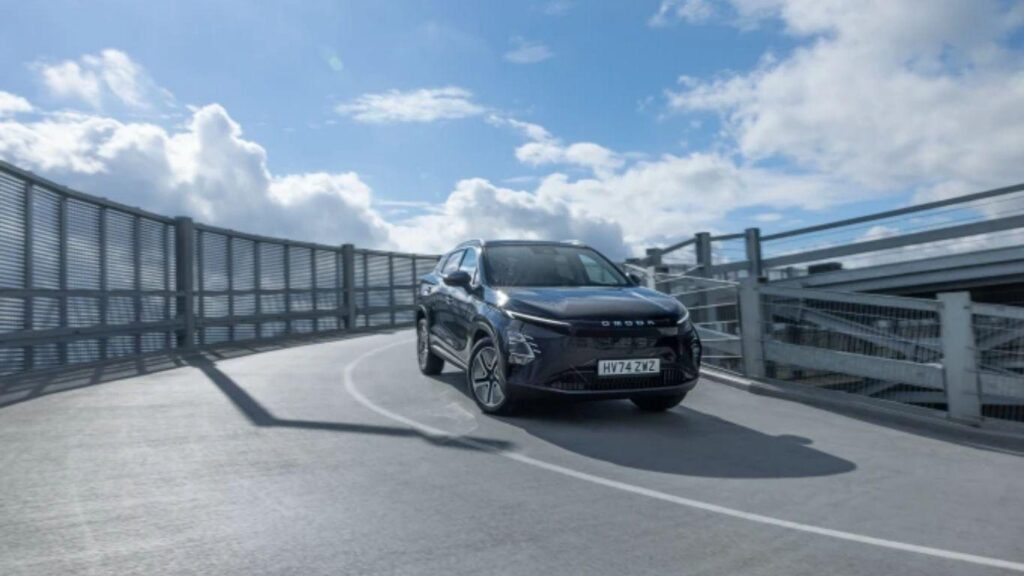
OMODA’s exterior design features sharp contours, sculpted bodywork, distinctive lighting, and bold front-end styling. These elements create a recognisable appearance that differs from more traditional SUV designs.
This visual identity is particularly relevant to buyers who want their vehicle to reflect a modern lifestyle. Rather than treating design as a finishing detail, OMODA Cars place considerable emphasis on creating an exterior that attracts attention in urban environments and on open roads.
A Technology-Focused Interior
Inside, OMODA models emphasise contemporary layouts and digital presentation. Depending on the model and specification, features may include integrated displays, touchscreen infotainment, smartphone connectivity, and conveniently positioned controls.
The effectiveness of this approach depends on more than screen size. Interface responsiveness, visibility, material quality, and ease of operation determine whether the cabin feels genuinely practical. Prospective buyers should explore the controls and seating arrangements in person to assess comfort and usability.
Digital Technology and Driver Assistance
Infotainment and Connectivity
Connected technology is an important part of OMODA’s appeal. Compatible models may offer navigation, digital driver information, smartphone integration, and multimedia functions through an integrated interface.
These systems can simplify access to essential information and entertainment. However, supported applications and connectivity options vary by model and market. Buyers should confirm compatibility with their devices and check whether particular functions require additional subscriptions or services.
Safety Equipment
OMODA vehicles may also offer driver assistance technologies such as adaptive cruise control, lane departure warnings, blind spot monitoring, parking assistance, and automatic emergency braking, depending on specification.
These systems can support awareness in certain driving situations, although they do not replace attentive driving. Buyers should compare the exact equipment fitted to individual models and consult independent safety assessments where available.
Model Choices and Everyday Practicality
Selecting the Right Configuration
Different OMODA models and trim levels can offer varying dimensions, equipment, powertrains, and interior arrangements. These differences matter when choosing a vehicle for specific driving requirements.
Urban motorists may prioritise parking convenience and manageable dimensions, while families may focus on rear-seat space and luggage capacity. Comparing actual specifications helps buyers identify meaningful differences instead of relying on exterior appearance alone.
Passenger Space and Storage
Cabin flexibility is worth examining closely. Boot capacity, rear-seat accessibility, storage compartments, and child seat compatibility affect how easily an OMODA vehicle accommodates family travel, shopping, and holidays.
A showroom inspection can reveal practical details that promotional photographs may not communicate. Buyers should also assess rear visibility, turning characteristics, and parking convenience before deciding whether a particular model suits their routine.
Performance and Fuel Efficiency
Evaluating the Driving Experience
Engine output, transmission behaviour, suspension tuning, and steering response shape the driving characteristics of each OMODA model. These factors influence acceleration, ride comfort, handling, and refinement.
A test drive provides an opportunity to assess how the vehicle behaves in traffic and at higher speeds. Cabin noise, low-speed smoothness, visibility, and braking response deserve particular attention because they directly affect everyday driving satisfaction.
Understanding Running Costs
Fuel consumption varies according to the powertrain, traffic conditions, driving style, and maintenance. Official efficiency figures provide a useful comparison, but real-world consumption may differ.
Buyers should also investigate insurance premiums, servicing intervals, warranty coverage, replacement-part availability, and expected depreciation. Considering these expenses alongside the purchase price provides a more realistic assessment of affordability.
Ownership and After-Sales Support
Warranty and Maintenance
The availability of reliable servicing can influence the long-term experience of owning an OMODA vehicle. Prospective buyers should establish where authorised servicing is available, how frequently maintenance is required, and which repairs or components are covered by the warranty.
Warranty exclusions and conditions deserve particular attention. Clear information about servicing requirements and parts availability helps buyers understand their responsibilities before committing to a purchase.
Assessing Overall Value
OMODA’s styling and equipment may initially attract buyers, but overall value depends on how those features perform in everyday use. Independent reviews, verified specifications, safety information, and test-drive impressions provide a stronger basis for comparison than promotional claims alone.
Resale prospects should also be considered. Depreciation depends on factors such as market demand, mileage, vehicle condition, maintenance history, and competition from other models.
Why OMODA Deserves Attention
OMODA’s growing visibility reflects its distinctive design direction and emphasis on digital technology. Its appeal lies in offering buyers an alternative to familiar styling conventions while addressing expectations around comfort, connectivity, and practical usability.
Whether a particular model represents the right choice depends on its specification, driving characteristics, local servicing arrangements, and total ownership costs. Evaluating these factors individually allows prospective buyers to distinguish genuine advantages from features that may have limited relevance to their needs.
Conclusion
OMODA is becoming a topic of interest among SUV enthusiasts because of its contemporary styling, technology-focused interiors, and range of vehicle configurations. Its long-term appeal will depend on how effectively its models deliver performance, reliability, practicality, and ownership value. Sandown Group encourages motorists to examine verified specifications, arrange test drives, and investigate after-sales support before choosing a vehicle. An informed comparison provides the clearest way to determine whether OMODA meets individual expectations.