
Experiencing a truck accident results in consequences beyond physical harm. Significant vehicle damage typically occurs, demanding prompt action. Managing the collision repair procedure can be daunting. This is particularly true when coordinating with insurance providers and repair facilities at the same time. Knowing the repair process and how to handle it effectively helps you avoid unnecessary time loss, expenses, and stress during this challenging time.
Document Everything Before the Vehicle Moves
When your truck reaches a repair shop, demand a detailed written quote before any repairs start. A body shop evaluator will examine your truck and capture thorough photographs once the documentation is finished. This early record shields you from surprise costs and establishes a transparent foundation for the extent of repairs.
Capture your own photos of all damage from various perspectives, covering the inside, outside, and any mechanical parts that seem impacted. These documents prove essential if conflicts emerge with your insurer or if concealed damage appears during repairs.
Work with Legal Counsel When Appropriate
Intricate trucking collision cases typically encompass numerous liable parties and considerable damages reaching far beyond mere vehicle restoration. Engaging a Fort Lauderdale truck accident law firm helps guarantee protection of your rights during the entire claim progression, especially while handling commercial transport enterprises and their insurance representatives.
A lawyer concentrating on trucking accidents assists you in working through your case’s complications and managing insurance carrier interactions efficiently. Professional legal advocacy becomes especially critical when insurers contest responsibility, diminish your claim’s worth, or try to pressure you into accepting an insufficient resolution before completely evaluating all damages.
Skilled attorneys excel at insurance company negotiations and frequently obtain superior settlements compared to individuals handling negotiations alone. Your legal counsel can additionally liaise with the repair facility to confirm proper documentation and inclusion of all accident-related damages in your claim.
Understand That Initial Estimates Miss Hidden Damage
Hidden damage that remains invisible before taking apart components will not appear in the original quote. This situation frequently surprises truck owners when the repair facility contacts them regarding extra work required. After mechanics start breaking down affected sections, they commonly find problems with the frame, suspension, or mechanical components that could not be spotted during the first examination.
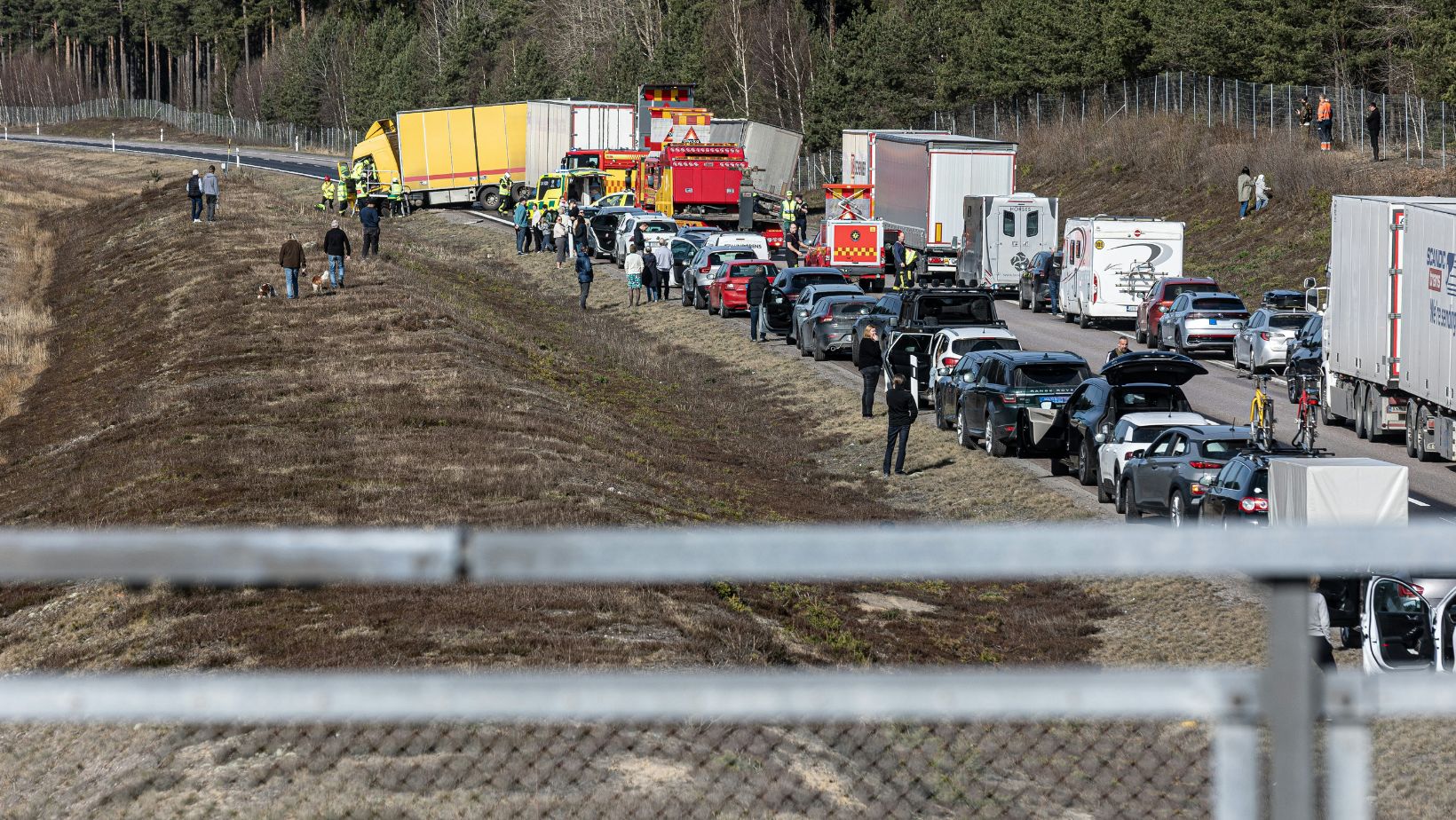
A complete estimate is drafted once the truck has been transported to the repair facility, detailing the expenses related to parts and labor. When concealed damage emerges, the shop will create an additional estimate that requires examination and authorization from your insurance provider before continuing. Maintain regular contact with your repair center throughout this stage to prevent setbacks in getting your truck returned.
Verify the Repair Shop Uses Proper Procedures
Not every collision repair center possesses the knowledge or tools to correctly return trucks to their original pre-accident state. The restoration procedure encompasses much more than surface-level corrections.
Throughout the collision restoration procedure, a computerized measurement system examines the vehicle to rebuild it per the manufacturer’s standards. This guarantees the frame stays structurally intact.
Utilize Original Equipment Manufacturer components. Wheel balancing and additional suspension work will be completed alongside all mechanical fixes during structural restoration. The color-matching procedure also holds substantial importance for preserving your vehicle’s worth.
Insist on a Final Inspection Before Accepting Your Vehicle
Before signing any documents and departing, perform a comprehensive examination of the finished repairs. The repair facility staff will conduct a physical assessment and a road test of your vehicle to confirm there are no operational problems that could be linked to the restored components. Accompany them during this procedure or carry out your own assessment right after.
During the reassembly phase, when repairs are near completion, all vehicle systems undergo inspection. Verify proper panel alignment, smooth door operation, and absence of paint irregularities or spacing issues. After you approve the repairs through your signature, holding the facility responsible for subsequently discovered problems becomes significantly more challenging.
Endnote
The repair process following a collision demands patience, careful attention, and your active participation. Through implementing these guidelines and keeping open communication with everyone involved, you can guarantee your truck gets properly and thoroughly restored after an accident.