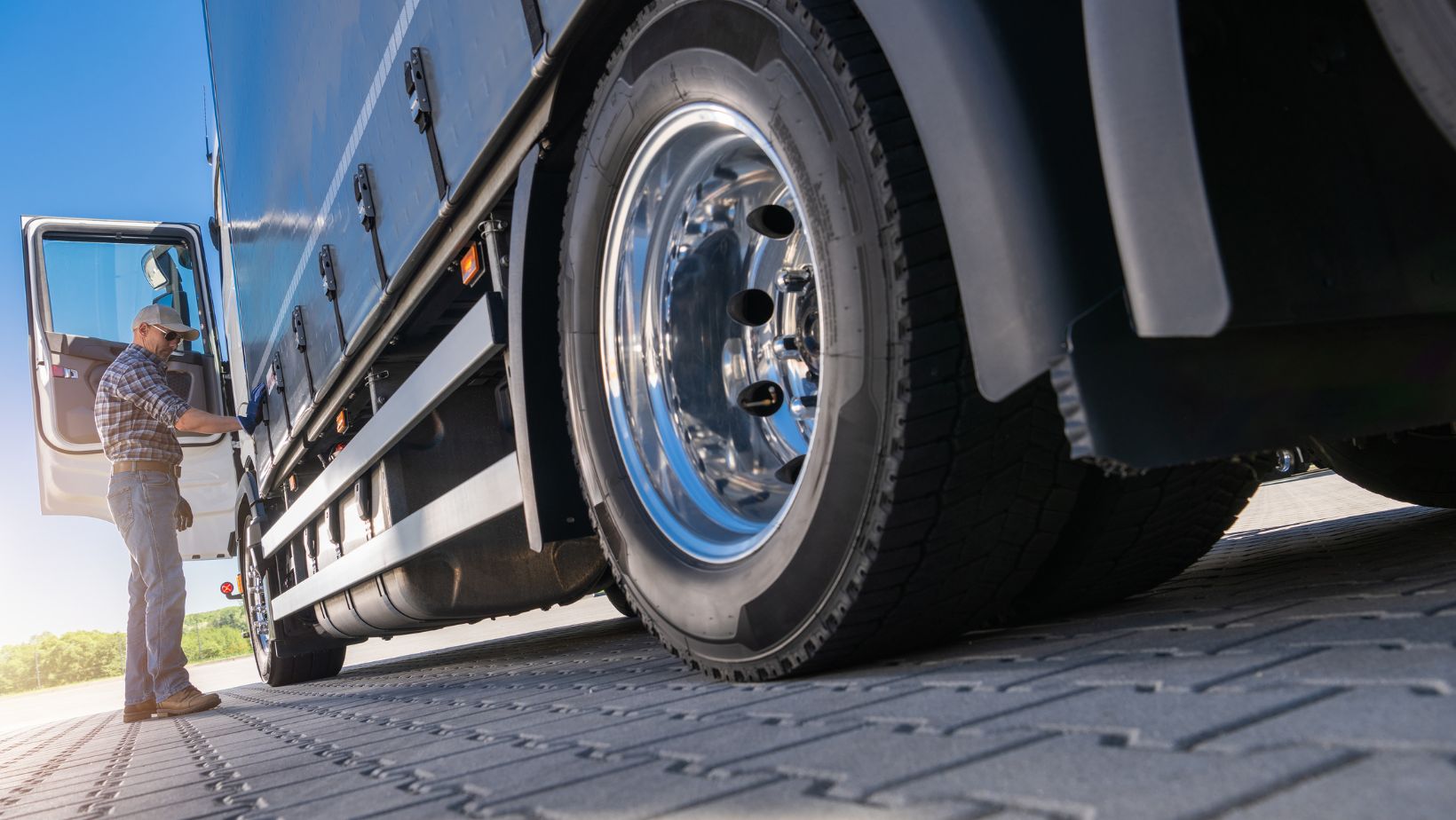
Upgrading your truck’s tires is one of the most effective ways to improve performance, safety, and capability—both on and off the road. Whether you’re looking for better daily driving comfort, enhanced towing stability, or stronger off-road traction, the right tire upgrade can completely change how your truck handles. But with dozens of tire types, sizes, tread patterns, and load ratings available, knowing where to begin can feel overwhelming. That’s why many drivers start by exploring truck tires designed for their specific terrain, driving habits, and vehicle needs.
A smart tire upgrade begins with understanding your driving style, selecting the right tire category, and ensuring the proper size and load rating for your truck. Below, we break down the key steps every driver should take when choosing new tires.
Identify the Right Tire Type for Your Driving Style
The first and most important step in upgrading your truck’s tires is determining how you actually use your vehicle. Different tire types are designed for specific environments, and choosing the wrong category can lead to poor handling, faster wear, and reduced performance.
If you primarily drive on highways or city roads, all-season or highway-terrain tires are typically the best match. They offer smoother comfort, lower road noise, and excellent tread life. These tires are designed to handle daily commutes and long-distance travel without sacrificing fuel efficiency.
Drivers who split their time between pavement and off-road terrain should consider all-terrain tires. These tread patterns offer the perfect middle ground—providing improved traction on gravel, light mud, snow, and dirt while still maintaining solid pavement performance. They’re ideal for truck owners who camp, explore local trails, or occasionally pull off the main road.
If you spend more time on rugged terrain than pavement, mud-terrain tires may be the right option. Their aggressive tread blocks, reinforced sidewalls, and deep voids help your truck power through mud, rocks, and loose terrain. However, they’re louder and may wear faster on pavement, so they’re best suited for off-road-heavy lifestyles.
Beyond terrain, tow-focused drivers should pay attention to load ratings. Heavy-duty tow tires are engineered for stability, heat resistance, and weight management—making them a smart choice for trucks that haul equipment, trailers, or campers.
Once you understand your driving style, the next step is pairing your tires with the right wheel setup. Many truck owners combine their upgrades with new truck wheels for improved performance, durability, and trail protection. Wheels and tires work hand-in-hand, so selecting the right combination ensures your truck handles the way you want across all terrains.
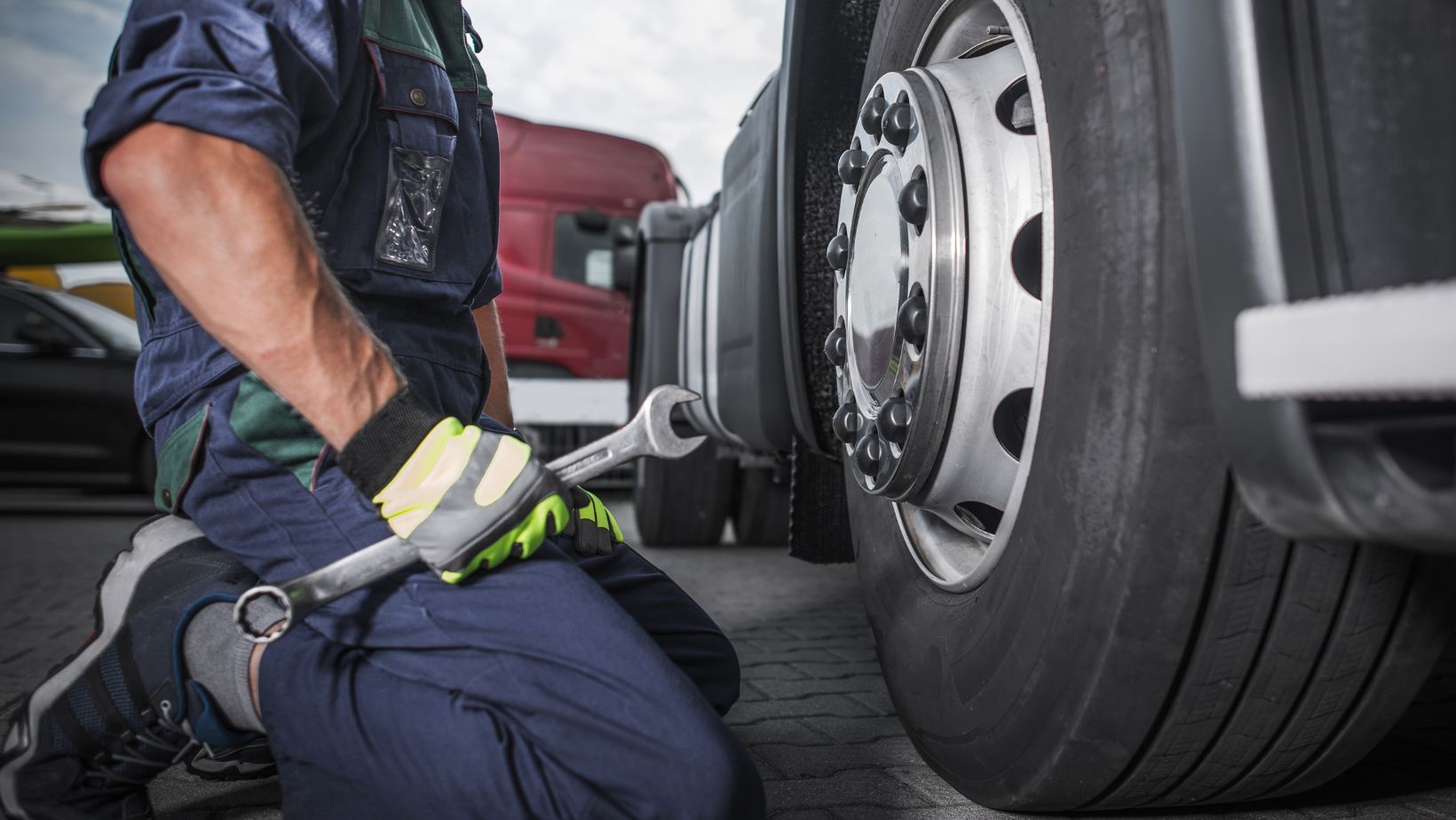
Tread life, weather performance, and noise level should also factor into your decision. A well-chosen tire type not only enhances capability but also improves comfort, efficiency, and long-term reliability.
Proper Sizing and Load Ratings Matter for Every Upgrade
Once you know the style of tire you need, the next step is determining the correct size and load rating. This part of the upgrade is critical—improper sizing or the wrong load range can impact everything from fuel economy to handling and even braking safety.
The size listed on your tire sidewall includes three measurements: width, aspect ratio, and diameter. For example, upgrading to a taller tire increases ground clearance and gives your truck a more aggressive stance. A wider tire improves traction, while a larger diameter improves obstacle rollover capability. But changing one dimension affects the others—so balance is key.
For many truck owners, upgrading to 33 inch tires is one of the most popular choices. Thirty-threes offer a noticeable improvement in off-road performance, ground clearance, and appearance without requiring major suspension modifications on many trucks. They’re often considered the “sweet spot” for capability and practicality.
Load rating is just as important as size. Every tire must be rated to support the weight of your truck plus passengers, cargo, and towing requirements. If your tire’s load rating is too low, it can lead to overheating, poor handling, or even blowouts—especially under heavy load. For towing, hauling, or overlanding, always choose a load rating that matches or exceeds your original equipment specifications.
Speed rating also matters. This determines how well your tire handles heat and stress at higher speeds. Choosing a tire with too low a rating can compromise safety on highways or long-distance trips.
Fitment is another key consideration. Larger tires may require adjustments such as trimming, leveling kits, or minor suspension changes to prevent rubbing at full turn or during suspension travel. Consulting your truck’s specifications or working with a 4WP specialist ensures your tires fit properly and safely.
The right size and load rating ensure your upgraded tires perform flawlessly both on and off the road. They also protect your truck’s suspension, braking system, and overall handling—making your driving experience more capable, confident, and comfortable.
Upgrading your truck tires begins with choosing the right tire category for your driving style and then selecting the proper size, load rating, and wheel pairing to maximize performance. When you take the time to choose the right setup, your truck becomes more capable, safer, and better prepared to handle the terrains and tasks you rely on it for.