
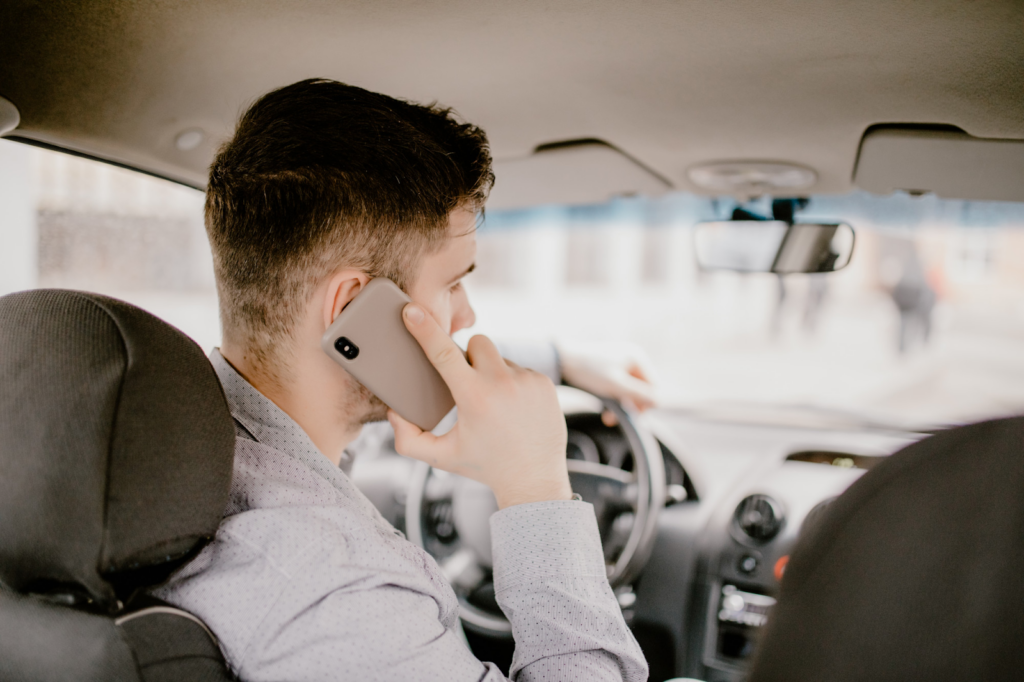
When another driver hits you while texting or messing with their phone, it feels completely wrong. You didn’t do anything to cause the accident, yet now you’re stuck paying medical bills and dealing with your car being damaged. The driver who caused this should have to answer for it, and legally they can. That’s what negligence is all about in these situations.
Negligence in a distracted driving case means showing that the other driver wasn’t paying attention to the road when they had a responsibility to do so. This is your strongest argument when you’re trying to get money for your injuries and losses.
When someone takes their eyes off the road or their hands off the wheel to do something else, they’re breaking the basic promise every driver makes to everyone around them to drive safely.
Understanding Negligence in Distracted Driving Accidents
There are four things you have to prove to win a negligence case. The driver had a duty to operate their vehicle without putting others at risk. They broke that duty by doing something distracting behind the wheel. What they did actually caused your accident. You got hurt or suffered damages because of what happened.
Distracted driving almost claimed 3275 lives in 2023. It can be anything that pulls a driver’s attention away from the road. Texting, phone calls, eating, changing the radio station, or looking at directions all count. When drivers do these things, they’re not paying full attention to driving. Courts understand this very clearly. The failure to pay attention is directly linked to why accidents happen.
Proving Negligence: Essential Evidence and Strategies
Winning your case comes down to getting the right evidence in front of a judge or jury. Without solid proof, your claim just sounds like your word against theirs. Here’s what actually works.
Witnesses who saw the other driver distracted can testify about what they observed. Maybe they saw the driver holding a phone to their ear or typing on their device just before the crash. These people were there, and they can describe exactly what the driver was doing. Their statements give credibility to your case because they have no reason to lie about what they saw.
Phone records tell the real story. Your lawyer can get a court order to pull the other driver’s phone records. These records show what calls, texts, or apps they were using when your accident happened. An expert can look at these records and match the timing with when the crash occurred. This creates a direct connection between their distracted behavior and your accident.
Video footage is incredibly powerful. Traffic cameras, dash cams, or security cameras near the accident scene may have recorded what happened. You can actually see the driver looking at their phone or away from the road. Pictures of the accident scene matter too. Photos showing how the cars hit each other, where the damage is, and what the road looked like all add up to paint a clear picture.
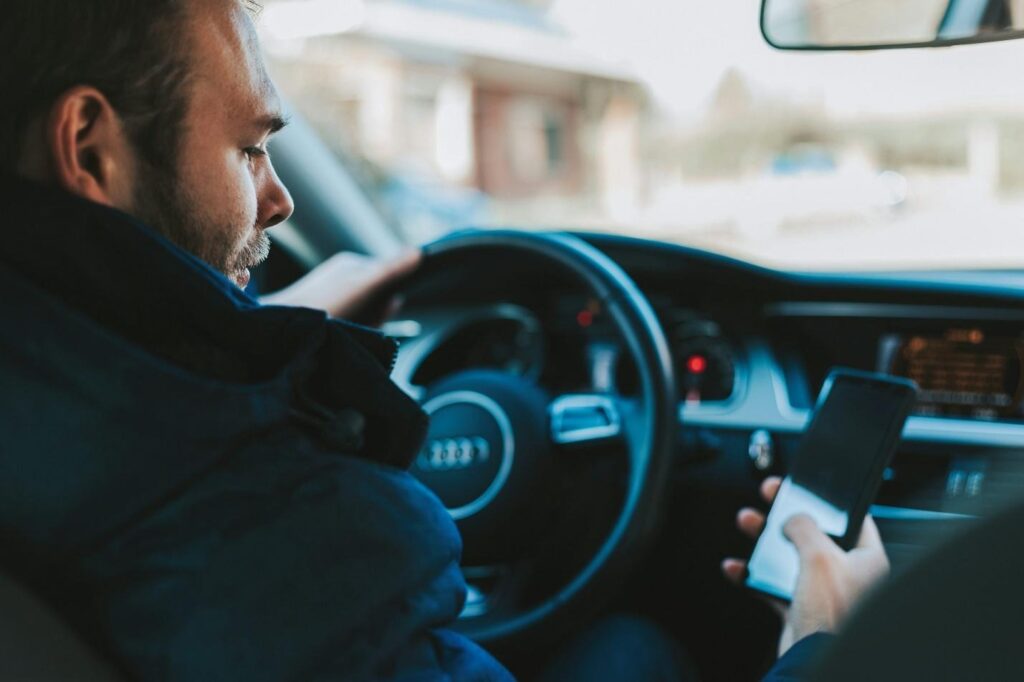
Police reports from the accident give you official documentation. The officer wrote down what they saw and what the driver told them. If the driver admitted to being distracted, that admission goes right in the report. Your medical records prove you got hurt and show how serious your injuries are.
Conclusion
Getting money for your injuries in a distracted driving case means gathering proof that the other driver wasn’t paying attention. Phone records, witness statements, video footage, and documents all work together to show what happened. This evidence is how you hold the distracted driver accountable.
Key Takeaways
- You must prove the driver had a duty to drive safely and broke that duty.
- Witnesses who saw the distracted behavior strengthen your entire case.
- Phone records show exactly what the driver was doing when the crash happened.
- Video footage captures the distracted driving in real time.
- Police reports and medical records document the accident and your injuries.
- Multiple types of evidence together build a winning case for compensation.
