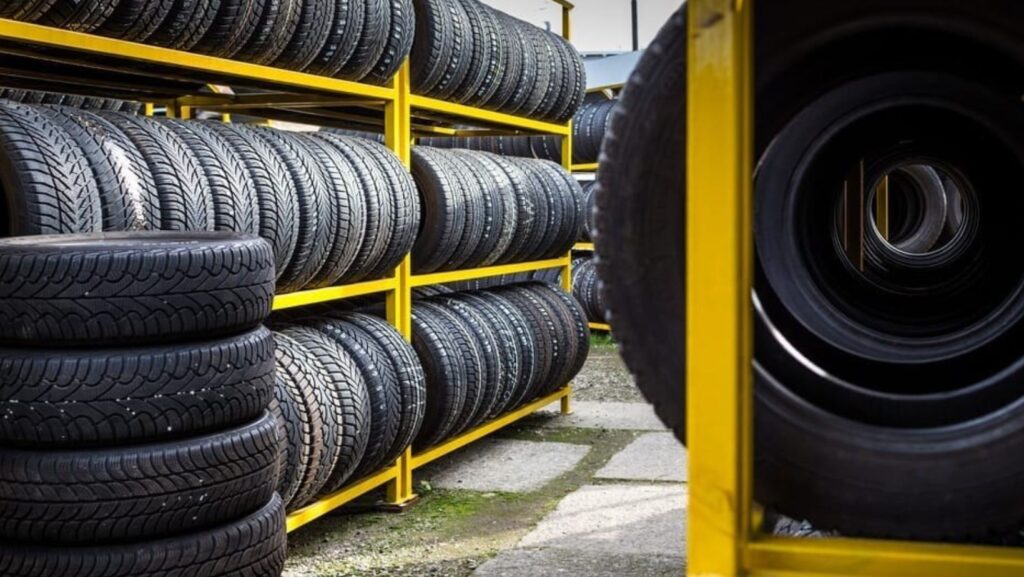

Tyre pressure is one of the most important yet most overlooked aspects of vehicle maintenance. Whether driving in the city, on motorways, or in changing weather conditions, properly inflated tyres play a major role in safety, handling, and fuel efficiency. Many motorists only check their tyres when a warning light appears or a puncture occurs, but regular pressure checks can prevent serious problems. Services like Mobile tyre fitting Leeds also help drivers quickly deal with tyre issues when pressure loss leads to unexpected trouble on the road.
Why Tyre Pressure Matters
Tyres are designed to operate at specific pressure levels recommended by the vehicle manufacturer. When tyres are inflated correctly, they maintain the right contact patch with the road surface. This improves grip, steering response, braking distance, and overall stability.
Incorrect tyre pressure changes how the tyre performs. Too little pressure causes excessive flexing and heat buildup, while too much pressure reduces road contact and makes the ride harsher.
The Risks of Underinflated Tyres
Underinflation is one of the most common tyre problems among drivers. Low-pressure tyres create more rolling resistance, which means the engine must work harder and fuel consumption increases. They also wear faster on the outer edges and generate excess heat during longer journeys.
Most importantly, underinflated tyres can affect steering control and increase braking distances. In extreme cases, prolonged underinflation can lead to tyre failure or blowouts, especially at motorway speeds.
The Risks of Overinflated Tyres
Overinflated tyres may seem less problematic, but they can also create safety issues. Excess pressure reduces the amount of tyre surface touching the road, lowering grip levels. This can affect cornering performance and braking, particularly in wet conditions.
Overinflated tyres also tend to wear more quickly in the centre of the tread, reducing lifespan and leading to unnecessary replacement costs.
Better Control in All Conditions
Correct tyre pressure helps maintain predictable handling in different driving environments. During heavy rain, tyres with the right pressure are better able to channel water away and reduce the risk of hydroplaning. On dry roads, they provide balanced grip for safer cornering and emergency braking.
Drivers carrying passengers or heavy loads should also check whether the vehicle manufacturer recommends adjusted tyre pressures for extra weight.
Fuel Efficiency and Tyre Longevity
Maintaining the correct pressure is not only about safety—it also saves money. Properly inflated tyres reduce rolling resistance, helping improve fuel economy. They also wear more evenly, extending tyre life and reducing replacement frequency.
A few minutes spent checking tyre pressure each month can lead to long-term savings and better vehicle performance.
When Professional Help Is Needed
If a tyre repeatedly loses pressure, it may indicate a puncture, valve issue, or hidden damage that requires immediate attention. Delaying repairs can increase the risk of sudden tyre failure.
Reliable providers such as TyresFlow offer convenient tyre support and replacement services, helping drivers quickly resolve pressure-related tyre issues without the inconvenience of a traditional garage visit.
A Simple Habit That Improves Safety
Checking tyre pressure regularly is one of the easiest ways to improve road safety and vehicle control. It helps prevent breakdowns, supports better fuel efficiency, and ensures tyres perform as intended in all driving conditions.
For modern drivers, maintaining correct tyre pressure is a small task that delivers major benefits every time they get behind the wheel.