Introduction: The Lifespan of Your 6.7L Cummins Diesel
6.7L Cummins offers the power and torque that the iconic Cummins name is known for. But this engine’s legendary reliability is achieved through diligent, proactive maintenance.
Soot buildup, dirty EGR valves, and sticking coolers result in poor mileage, poor response to the throttle, and extreme carbon deposits in the intake manifold.
The effects of such problems are far-reaching – they could lead to multi-thousand-dollar repair costs and lost time. For owners operating in severe conditions, certain 6.7 Cummins reliability upgrades can offer additional durability, but they must be carefully evaluated for legal compliance and intended use.
Common EGR System Failures and Warning Signs
The Anatomy of Failure
Understanding how the EGR system fails is the first step to preventing it. The EGR system does this by directing some of the exhaust gases back into the intake manifold, where they are used to reduce the peak temperature in the combustion. This reduces the amount of nitrogen oxides (NOx) emitted.
This is a good thing, but it causes exhaust to be pulled into the intake tract full of soot. This soot forms a thick insulating layer that prevents the cooler from dissipating heat effectively, reducing its cooling efficiency and allowing excessively hot exhaust gases to enter the intake manifold.
As this builds up, it slowly restricts the engine’s breathing capacity.
Red Flags to Watch For
There are a number of warning signs of a problem with the EGR system. A sudden, unexplained drop in fuel economy often points to an EGR valve stuck in the open position, which dilutes the intake air and disrupts the optimal air-fuel ratio.
If the excess black smoke is coming from the tailpipe, then it is likely that the combustion process is not complete, meaning that there is not enough air in the system, or that there are problems with the EGR. Check Engine Lights, such as P0401 (Insufficient EGR Flow), are a very clear indication for diagnosis.
If the engine is surging and/or rough idling when stopped at a traffic signal, this can be another indicator of a sticking EGR valve that refuses to function properly in response to the engine control module’s instructions.
The Domino Effect
If the EGR system fails, it will place additional stress on the Variable Geometry Turbocharger (VGT) and the Diesel Particulate Filter (DPF). Soot and oil vapor from the crankcase ventilation system can also accumulate on the VGT vanes. When combined with increased soot loading from a malfunctioning EGR, this buildup restricts vane movement, reducing turbo response and overall efficiency.
The greater the soot production, the faster the DPF will become loaded and thus the more often and sharply the DPF must be regenerated, using more fuel. This domino effect frequently means the EGR, turbocharger, and DPF are all replaced, at a cost of several thousand dollars.
Step-by-Step Maintenance Routine to Prevent EGR Clogging
Milestone Maintenance
A regular maintenance schedule is crucial to the long life of EGR systems. Most OEM maintenance schedules recommend EGR system inspection and cleaning between 60,000 and 80,000 miles.
However, for trucks used in severe duty, such as frequent idling, heavy towing, or dusty environments, many experienced owners and fleet operators choose to perform this service as early as 50,000 miles to prevent performance degradation.
In cases of frequent idling, dusty environments, heavy towing operations, or similar severe usage, more frequent checks will be beneficial for the trucks. Having complete maintenance information aids in forecasting maintenance needs for components.
Cleaning the EGR Valve & Cooler
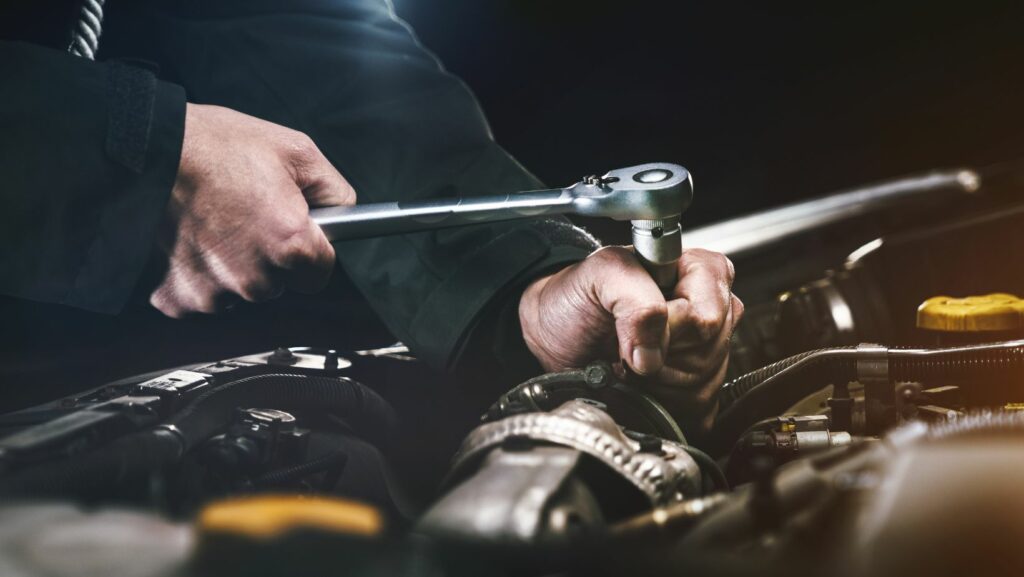
Care and accuracy are required when cleaning the EGR valve and cooler. Delicate parts can be treated with specialised solvent baths, which will remove heavy carbon crusts without harming the part. It consists of the removal of the valve and cooler, soaking in the carbon-dissolving solution, and lightly mechanical cleaning to get rid of hardened carbon deposits.
Media blasting equipment is used in some professional shops to thoroughly clean. Proper valve actuation and cooler efficiency are restored with regular cleaning, and often, when done, the lost performance and fuel economy are restored.
The Importance of Duty Cycle
The 6.7L Cummins EGR system is particularly susceptible to soot accumulation under short-trip, stop-and-go, or extended idling conditions, as these duty cycles prevent the engine from reaching optimal operating temperatures that help burn off light deposits.
Conversely, working the truck hard” by driving on the highway and towing can naturally burn off soot because the high EGTs that result from working the truck will also burn off the carbon and prevent the buildup of thick soot.
CCV Filter Replacement
The Crankcase Ventilation (CCV) filter is an important part of the good health of the EGR system. This filter will remove oil mist from crankcase vapours before they get into the intake system. As the CCV filter fills with oil, the oil mist combines with EGR soot and produces a thick sludge that’s capable of plugging up the engine when it gets into the intake.
This sludge formation can be avoided, and EGR component life can be prolonged by replacing the filters at the recommended intervals.
Maximising Longevity: Upgrades vs. Options for Emissions Compliance
Upgrading the Stock Components
Heavy-duty aftermarket EGR coolers have sturdier internal tubing that is designed not to crack and leak coolant, as is common with factory coolers. The coolers have been improved by adding thicker material, better welding, and internal baffling to provide better heat transfer. The upgraded parts are more costly than OEM parts, but they can last for several years and are a wise investment for the long term.
The Off-Road/Track Alternative
For vehicles used exclusively in off-road competition or sanctioned racing events where emissions equipment is not required by law, some owners may consider a 6.7 Cummins full delete kit, which will remove the EGR and DP to reduce backpressure and restore the fuel efficiency of the engine. These kits come with all the necessary tools to do emissions removal and recalibration of the engine management system.
However, this is strictly prohibited for any vehicle operated on public roads and may result in substantial fines and voided warranties. Any such modification must be performed in full compliance with local, state, and federal regulations, and with proper engine control unit recalibration by a certified professional.
For the vast majority of owners, investing in high-quality, CARB-compliant (California Air Resources Board) or EPA-approved replacement parts is the only legal and responsible path to improved durability.
Conclusion: Protecting Your Diesel Investment
You need to make sure that you’re in balance between performance and reliability in your 6.7 Cummins, depending on what you’re looking to do and what the local area rules are.
Whether you choose to adhere to a strict maintenance schedule (e.g., regular EGR cleaning) or invest in certified aftermarket durability upgrades, consistent attention to the emissions system is non-negotiable. Neglecting this critical component will inevitably lead to costly failures, regardless of the engine’s inherent robustness.
Review your truck’s service history now and select the route to service that will ensure that your Cummins is strong for hundreds of thousands of miles. This is an investment that will reap dividends over a number of years for reliable and powerful performance.