
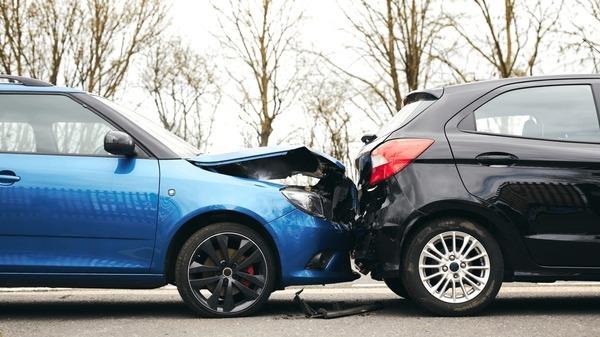
Imagine you’re driving on a road with music on and windows down and enjoying the ride. Suddenly, you see flashing lights ahead; another accident. You may wonder why these many, many crashes happen in the state.
Or you may think, is there any way to prevent them? That is where car accident statistics come in. Car accident data helps you prevent accidents. These numbers are not just facts you read on paper or see online. These data tell real stories about what is happening on the road every day and what not to do to avoid being involved in such accidents.
Here is how these statistics actually help increase road safety.
Understanding What Car Accident Statistics Tell Us
Car accident statistics show how often accidents happen, where they happen, and why they happen. They include details such as:
- The number of crashes each year
- The main causes (like speeding or texting while driving)
- The types of vehicles involved
- The time of day or weather when accidents happen most
These numbers might seem boring at first, but they give experts important clues. For example, if many crashes happen at one intersection, city planners know the area needs better lights, signs, or signals.
Finding Dangerous Driving Habits
When people study car accident data, they often find certain habits that lead to more crashes. Common examples include:
- Speeding: Driving too fast provides less time to react.
- Distracted driving: Texting, eating, or talking on the phone while driving.
- Driving under the influence: Alcohol or drugs slows down reaction time.
- Not wearing seat belts: A simple seat belt can save lives, but some drivers still skip it.
Helping Lawmakers Make Safer Rules
Lawmakers and traffic experts use car accident reports to write better safety laws. When statistics show a high number of crashes caused by distracted driving, it pushes states to create tougher cellphone laws. When they see that speeding causes serious injuries, they might lower speed limits in risky areas or add speed cameras.
Every rule that makes roads safer such as seat belt laws, helmet rules, child seat requirements started with studying accident data.
Improving Road Design
Occasionally, the problem is not the driver; it is the road. Car accident statistics help traffic engineers spot trouble spots. Maybe there are too many accidents on a curve, or maybe a street needs better lighting. By studying where crashes happen most, city planners can make changes like
- Adding traffic signals
- Installing guardrails or barriers
- Improving road markings
- Fixing potholes and uneven surfaces
A well-designed road can make a big difference. Even small fixes, like adding clearer signs or pedestrian crossings, can prevent accidents before they happen.
Encouraging Safer Vehicles
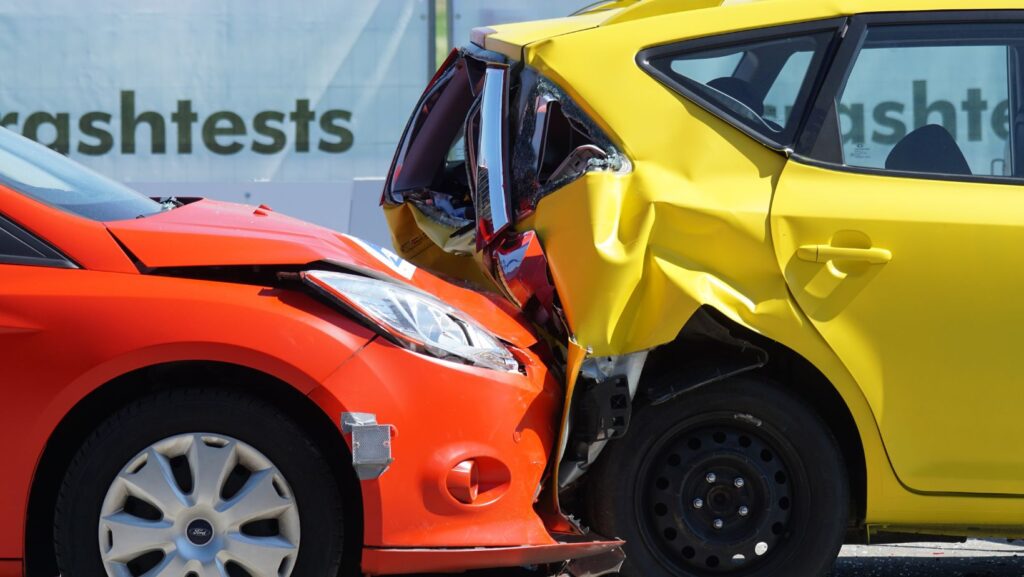
Car makers also use accident data to design safer vehicles. For example, when statistics indicated that rollovers caused many deaths in SUVs, manufacturers started adding stronger roofs and stability control systems.
These improvements came from studying years of accident data and learning what saves lives. The more we know about how and why crashes happen, the safer new cars become.
Teaching Drivers to Be Smarter
Driving schools, parents, and teachers can also use car accident statistics to educate young drivers. Knowing that most teen crashes happen at night or because of distractions can help them focus on safe habits early on.
For example:
- Teen drivers can be warned about the dangers of texting while driving.
- Families can talk about why seat belts matter every single time.
- Teachers can include real numbers and examples in lessons to show how serious road safety is.
When people understand the “why” behind the rules, they’re more likely to follow them.
Key Takeaways
- Car accident statistics help us understand when, where, and why accidents happen.
- These numbers guide laws, safety campaigns, and road designs.
- They help automakers create safer cars with modern safety features.
- Educating drivers, especially teens, using real data can build better habits.
- When everyone uses this information wisely, we can make our roads safer for all.