Car sensors can detect motorcycles in traffic. However, the detection isn’t always perfect in real-world driving conditions. You should always practice road safety and have your sensors inspected if you suspect they are failing.
A motorcycle can easily fall into a vehicle’s blind spot or be overlooked by sensor systems, making constant driver awareness just as important as the technology itself.
Motorcycle riders are at high risk on the road because they don’t have a strong body around them, unlike cars. In a crash, the rider may sustain serious injuries. Even a slow collision can still cause a lot of harm when in heavy traffic. Having limited time to react often also leads to significant injuries.
What Are Sensors in a Car?
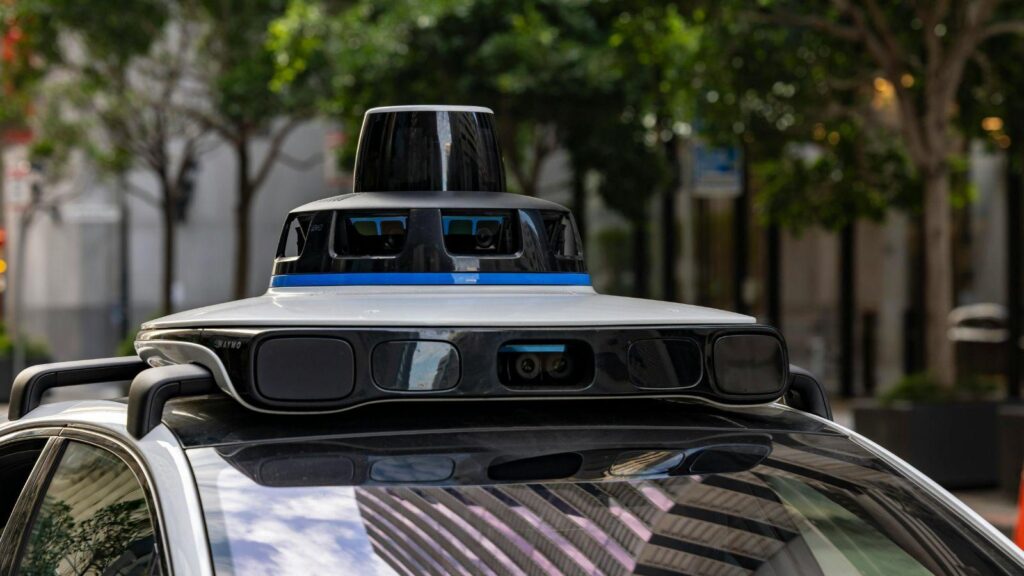
Technology to help cars detect what’s nearby and warn you. The most common types include:
- Radar sensors
- Camera sensors
- Lidar sensors
Radar sensors use radio waves to measure distance and speed. They work well in rain or fog, which makes them very reliable in bad weather. However, small objects like motorcycles can sometimes reflect weaker signals, which makes detection harder.
Camera sensors read visual information. They’ll help you recognize lane markings and moving objects. These car sensors depend heavily on lighting. Their accuracy can be reduced due to:
- Bright sunlight
- Heavy shadows
- Dirty windshields
Lidar sensors use light pulses to build a 3D map of the surroundings. They are very precise, but they can struggle in tough weather conditions, such as heavy rain or dust.
How Do I Know If My Car Has a Faulty Sensor?
You’ll get frequent dashboard alerts and notice delayed responses. If warning lights appear for no clear reason, your car’s system may be struggling to read data correctly. Inconsistent braking or late lane warnings also indicate an issue with your sensors.
Dirt can block camera-based systems. If you don’t notice any improvement after cleaning, it’s a sign of another deeper issue.
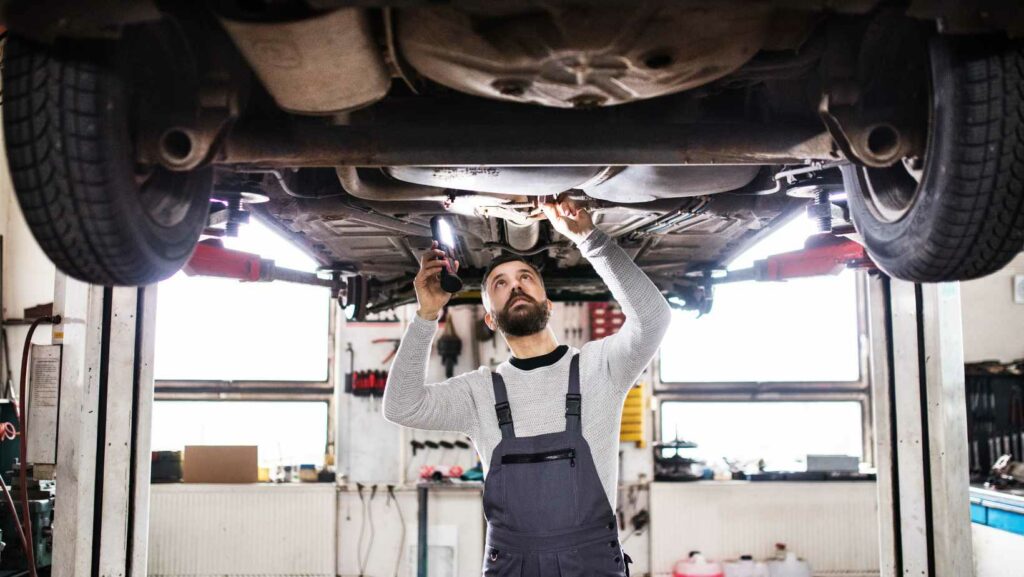
A mechanic can run a quick system scan to check if the sensors are failing or out of alignment. They will also recalibrate the system if needed.
Understanding How Car Sensors Interpret Motorcycles in Traffic
Car drivers and motorcycle riders need to understand how car sensors interpret motorcycles in traffic. Having the knowledge allows every road user to take the necessary precautions.
Size and Shape Detection Challenges
Motorcycles have a narrow profile, which can confuse radar sensors. These systems are tuned to recognize larger shapes like cars and trucks. When a motorcycle approaches at an angle, detection may weaken or disappear for a moment.
If a car’s sensors fail to detect a rider in time, a crash may occur. After sustaining injuries during a collision, talk to a rider injury lawyer in Phoenix, AZ. They’ll help you assess your injuries and explain the compensation options.
Maintenance and Calibration Matter
Debris or road grime on the bumper and windshield might block the signals from car sensors. Get regular servicing and inspections to ensure your systems work as intended. Clean sensors and proper calibration improve the accuracy of motorcycle detection.
Safe Driving Behavior Is Critical
Even the best technology can’t replace driver awareness. You should always be doing the following:
- Using turn signals
- Checking mirrors
- Scanning blind spots
Avoid using your phone or in-car screens while driving. Even a glance can lead to a dangerous road accident. A motorcycle might enter your lane or blind spot in just a few seconds. When you drive slower, you also give yourself more time to see what’s happening and react faster.
Staying Safe Around Motorcycles
Modern car sensors improve road safety, but they aren’t flawless. You might find it hard to detect motorcycles because of their small size and swift movement. Environmental conditions also reduce the efficiency of car sensors.
Stay alert while driving to avoid crashing into motorcycle riders. Maintain your car’s sensors with regular service to keep them working well. Understanding your sensor’s limits helps you stay safe and protect other road users.
Check out our blog for more informative content.