
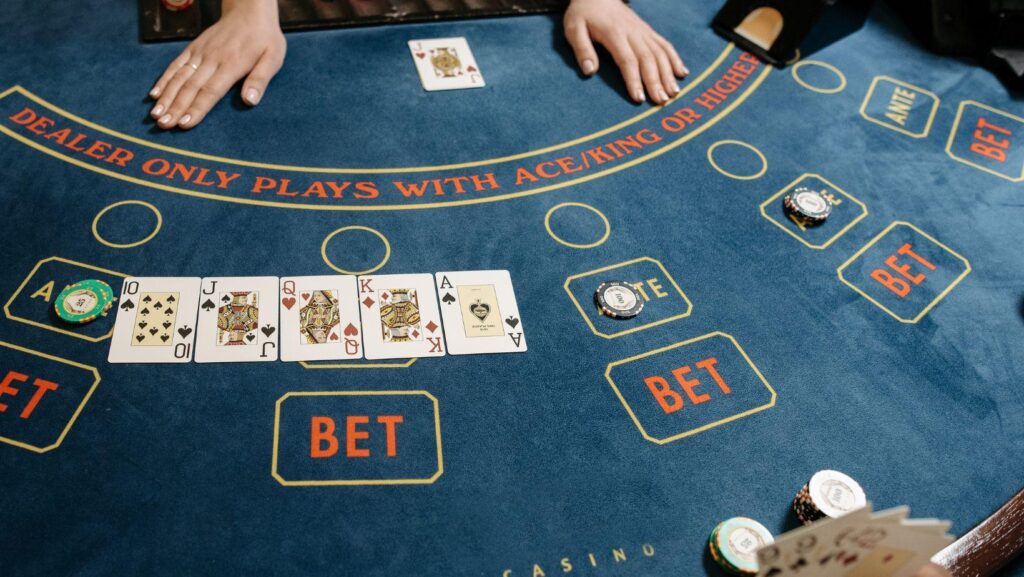
A dealer’s fingers curl slowly around the corner of a card, peeling it back just enough to reveal a shadow of the pip beneath. Somewhere off-screen, a chat window fills with exclamation marks. That ritual is Squeeze Baccarat, and it is the slowest, most theatrical version of a game that, in its Speed and Lightning forms, can resolve a hand in under thirty seconds. Picking between the three isn’t a matter of taste alone. Commission rates, side bet payout tables, and how a multiplier round changes the math all push a player toward one table over another, sometimes without them noticing until the session’s over.
Three Formats, Three Rhythms
Squeeze Baccarat exists for the reveal, not the speed. Rounds stretch out because the dealer manually exposes each card, and many rooms build in extra camera angles or replays for the banker and player hands. The trade-off is throughput: fewer rounds per hour means fewer opportunities to grind out a bankroll, but also fewer decisions made on autopilot. For a player who wants to actually watch each hand develop rather than click through it, that slower pace has real value, even if the underlying 5% commission on winning banker bets stays identical to a standard table.
Speed Baccarat strips out the ceremony. Cards are dealt face-up immediately, betting windows shrink, and a full shoe can move through dozens of hands in the time a Squeeze table finishes a handful. This format suits players tracking patterns or running a flat betting progression, since more data points arrive faster. It does not suit anyone prone to chasing losses, because the accelerated pace compresses the same bankroll risk into a shorter window of real time.
Lightning Baccarat adds a multiplier mechanic on top of the standard structure: before each hand, random cards are struck by lightning and assigned boosted payouts if they appear in a winning natural or non-tie hand, in exchange for a higher fee taken from the base payout. Players comparing rooms sometimes register through jetbuzz specifically to test how frequently multipliers land relative to the added fee, since that ratio is what determines whether the format beats a flat-commission table over a long session. It’s a legitimate question, and one best answered by tracking outcomes across a meaningful sample rather than a handful of hands.
Where the Formats Get Their Data
Side bets are where the three variants diverge most sharply, and where a lot of the value gets lost if players treat them as interchangeable. Pair bets, Big/Small wagers, and Dragon Bonus-style payouts all carry different house edges depending on which studio supplies the table, since payout tables aren’t standardized across providers the way the core banker/player/tie bet is. Live tables on JeetBuzz draw from Evolution, WM, Sexy, Playtech, Microgaming, and HotRoad, each of which publishes certified RTP figures rather than operator-reported ones, and that distinction matters because a self-reported edge can’t be independently checked against actual shoe outcomes the way an audited figure can.
|
Variant |
Pace |
Banker Commission |
Distinct Feature |
|
Squeeze |
Slow, manual reveal |
5% |
Extended card exposure ritual |
|
Speed |
Fast, face-up deal |
5% |
High hand-per-hour volume |
|
Lightning |
Standard pace |
Base 5% plus multiplier fee |
Random boosted-payout cards |
Matching the Table to the Goal
Reading that table against a session’s actual goals changes the decision. Someone bankrolling a short session with a fixed budget gets more mileage from Squeeze, where fewer hands per hour naturally slows the bleed if a shoe turns cold. Someone testing a staking pattern across a large sample benefits from Speed’s throughput, since statistical noise smooths out faster over more hands. Lightning sits apart: its added fee only pays off if a player is comfortable accepting a slightly worse baseline edge in exchange for occasional larger multiplier hits, which is a volatility trade-off rather than a straightforward value upgrade.
Commission handling also affects how side bets should be weighed against the main wager. A banker bet’s 5% commission is usually deducted automatically at the table, but side bets are settled independently and carry their own house edge regardless of how the main hand resolves. That means a player heavily weighting Pair or Dragon Bonus wagers is effectively running two separate games with two separate cost structures, and ignoring that split is one of the more common reasons a session’s results don’t match expectations. JeetBuzz’s cashback structure on live casino and table games, returning 25% of net losses up to roughly $17 with a 10x wagering requirement, offers some cushion against exactly this kind of variance, though it’s a backstop rather than a strategy in itself.
None of the three formats is inherently better than the others; they’re built for different rhythms and different tolerances for variance. What separates a deliberate player from one just clicking through habit is matching the format’s pace and fee structure to the actual goal of the session, whether that’s stretching a modest bankroll, gathering a large sample of hands, or accepting a slightly worse baseline edge for a shot at a multiplier. Reading the commission line and the side bet table before sitting down costs a minute. Skipping that step is how most of the format’s real cost differences go unnoticed.