Does every faulty car component need to be replaced with a new one? Not necessarily. A worn seal, damaged membrane or faulty compressor component can sometimes be repaired without replacing the entire assembly.
However, choosing between repair and replacement requires more than comparing prices. The condition of the component, availability of replacement parts and potential safety concerns all influence the decision. Understanding these factors can help vehicle owners manage repair costs while maintaining reliability.
Why Accurate Diagnosis Should Come First
A warning light or unusual sound indicates a possible problem, but it does not always identify the faulty component. For example, an air suspension warning could result from a damaged compressor, leaking air line, faulty valve or electrical connection.
Replacing the compressor without checking these possibilities could leave the original problem unresolved.
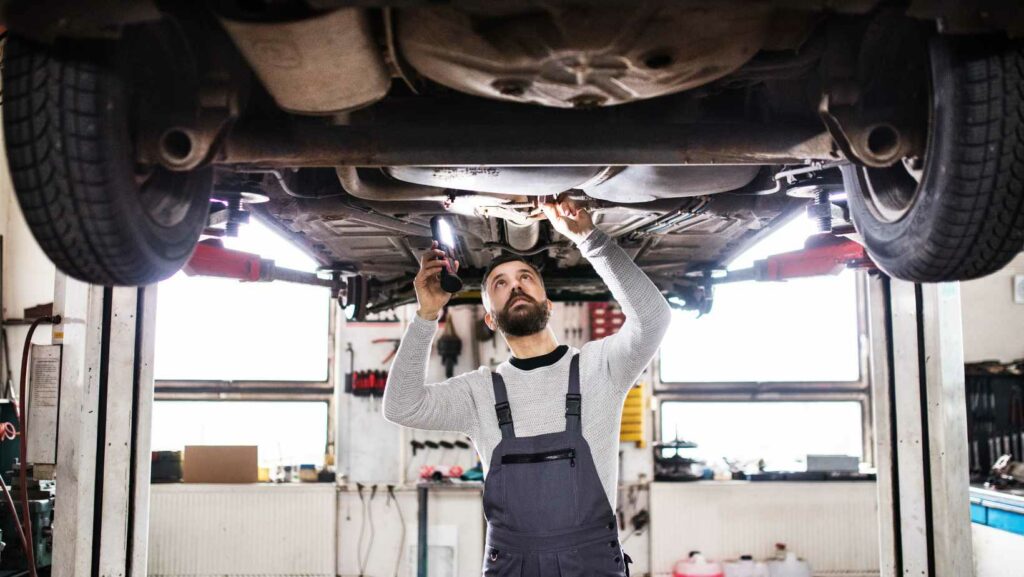
Mechanics should combine diagnostic trouble codes with physical inspections and appropriate electrical or pressure tests. Checking the vehicle's maintenance history may also reveal recurring faults that require further investigation.
Which Car Components Can Be Repaired Separately?
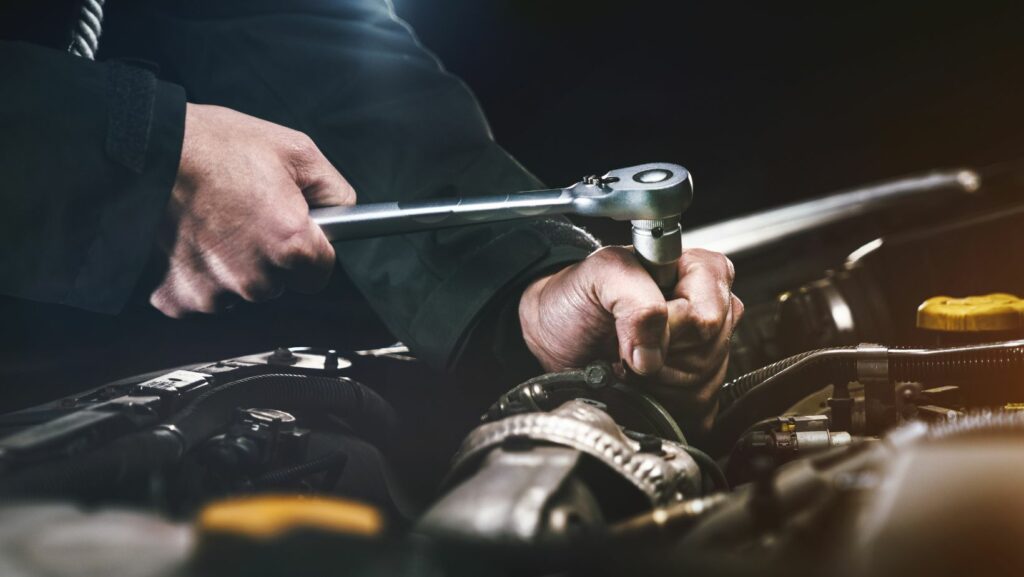
Some automotive assemblies contain smaller components that wear faster than the surrounding structure. These parts can sometimes be replaced individually while retaining the original assembly.
Common examples include rubber seals, gaskets, crankcase ventilation membranes, intake manifold linkages and certain compressor components. Repairing these smaller parts may be reasonable when the main housing remains functional.
However, not every component is suitable for individual repair. Severe corrosion, cracked housings and extensive internal damage may make complete replacement necessary.
How Automotive Repair Kits Support Component-Level Repairs
Repair kits provide replacement components for particular mechanical faults. They can reduce the need to purchase a complete assembly when only a small number of serviceable parts require attention.
For example, Klifex repair kits include options for air suspension systems, covering components associated with compressor maintenance and repair. These products illustrate how certain mechanical faults can be addressed through individual component replacement.
Nevertheless, selecting a repair kit requires an accurate diagnosis. A kit cannot resolve problems caused by unrelated electrical faults, damaged housings or components outside its intended application.
Why Vehicle Compatibility Matters Before Ordering Parts
Automotive components may appear identical while having different dimensions, connections or operating requirements. Even vehicles from the same model range can use different mechanical assemblies.
The Klifex catalogue, for example, lists automotive replacement components for various vehicle systems and applications. Such catalogues can help buyers identify relevant parts, although every selection should be verified against the original specifications.
Vehicle owners should compare manufacturer part numbers, engine information and model details before purchasing. Consulting a qualified mechanic or parts specialist can prevent incorrect orders and installation problems.
How to Compare Repair and Replacement Costs
The purchase price of a replacement component represents only part of the repair expense. Labour charges, diagnostic testing and specialist equipment can influence the final amount.
A relatively inexpensive repair kit may require extensive disassembly. Conversely, installing a complete replacement assembly might involve less labour, making it the more economical option in certain situations.
Vehicle owners should request estimates covering parts, labour and additional testing. Comparing warranty conditions and expected service life can also help determine which approach offers better long-term value.
When Complete Replacement Becomes Necessary
Certain mechanical problems require complete component replacement because an individual repair would not adequately address the damage. Steering, braking and suspension components deserve particular attention because failures can affect vehicle control. Repairs involving these systems should follow manufacturer procedures and appropriate safety requirements.
Complete replacement may also be appropriate when an assembly has suffered severe overheating, extensive corrosion or repeated internal failures. A mechanic should explain why the existing component cannot be repaired reliably rather than recommending replacement without a clear diagnosis.
Why Post-Repair Testing Is Essential
Installing replacement components does not automatically confirm that a mechanical problem has been resolved. Proper testing helps identify remaining faults before the vehicle returns to regular use.
Depending on the affected system, technicians may need to perform pressure tests, inspect electrical readings, check for leaks or complete calibration procedures.
Vehicle owners should also monitor recurring warning lights, unusual noises and changes in driving behaviour. Maintaining repair records and following recommended service intervals can help prevent future problems.
Conclusion
Deciding between car part repair and complete replacement requires careful consideration of component condition, compatibility, safety and total costs. A targeted repair can be practical when the original assembly remains serviceable and suitable replacement components are available. However, severe damage or safety concerns may make complete replacement the better decision. Accurate diagnosis and professional guidance help vehicle owners avoid unnecessary expenses while keeping their cars dependable.