Introduction: Why Fuel Economy Matters More Than Ever
Fuel prices keep climbing, and most of us can’t just drive less. Daily commutes, work runs, deliveries, and long highway drives add up fast — trucks and heavier vehicles feel it even more.
The thing people rarely notice? Fuel efficiency drops slowly over time. Not because the car is bad, but because maintenance gets skipped and habits don’t change.
The good news: you don’t need a new vehicle to save fuel. A few simple maintenance checks, minor upgrades, and smarter driving choices can make a real difference. Below are the most practical fuel economy improvements you can use without changing your routine.
Regular Maintenance: The Foundation of Better Fuel Economy
Your vehicle runs best with a few simple checks and timely care.
Start With the Air Filter
Engines need air to burn fuel efficiently. A clogged filter restricts airflow, forcing the engine to use more fuel, reducing efficiency by 10–15%.
Replace it every 12,000–15,000 miles. If your vehicle feels sluggish or mileage drops, check the filter first. Most people don’t notice it until gas bills spike.
Oil Changes Still Matter
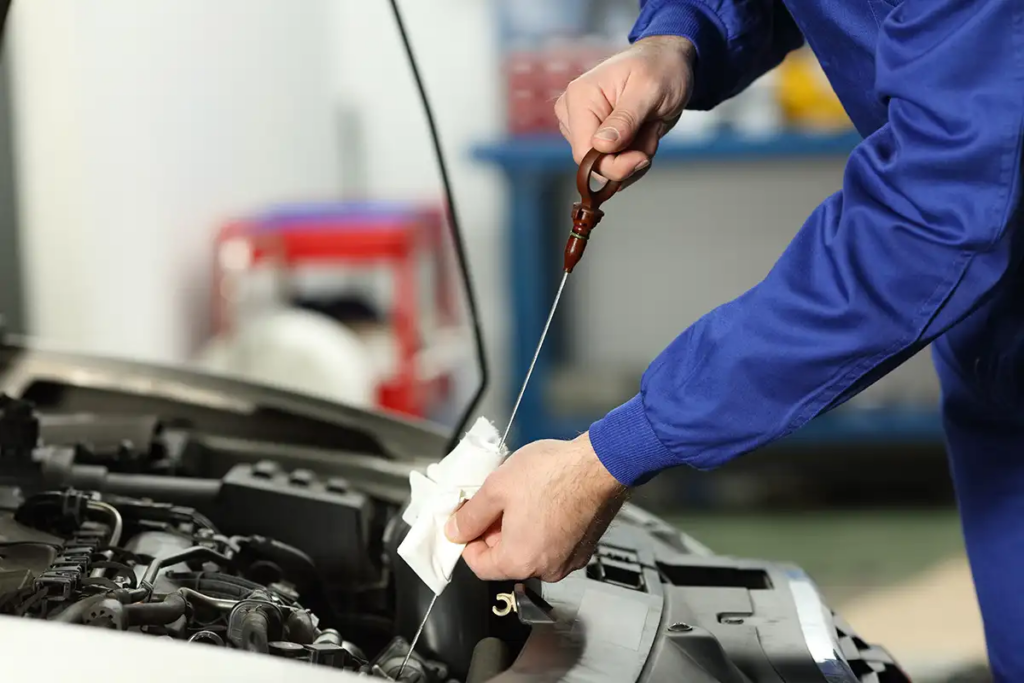
Old engine oil thickens, creating drag. Fresh oil lets components move freely, which improves fuel economy.
This applies to petrol, diesel, and heavy-duty trucks. Skipping oil changes always shows up at the pump—it’s boring, but true.
Check Tire Pressure Often
Low tire pressure increases rolling resistance, meaning the engine works harder. Even a small drop can cost 1–2 MPG.
A monthly pressure check—and before long trips—makes a noticeable difference.
Fuel Injectors Need Attention
Carbon buildup in injectors disrupts spray patterns, causing inefficient combustion.
Using a fuel injector cleaner or professional cleaning restores proper fuel delivery and smoother engine performance.

Smart Modifications to Improve Fuel Economy
Sometimes small upgrades can make a big difference. These tweaks help your engine work less and stretch every liter further.
Aerodynamic Improvements (Especially for Trucks)
Air resistance is a silent fuel killer at highway speeds. Pickup trucks suffer more due to their shape.
Tonneau covers, roof deflectors, and grille shutters reduce drag, making them some of the most effective modifications for fuel economy.
Low-Rolling-Resistance Tires
Low-rolling-resistance tires waste less energy as they roll, improving efficiency without changing daily driving feel.
Ideal for commuting and work vehicles, though not meant for racing or aggressive driving.
Help Your Engine Breathe Better
A smoother exhaust path lets gases escape more freely, helping the engine run efficiently. Diesel trucks can benefit from legal, non-invasive upgrades like cat-back exhausts that retain all emissions components. These improvements support better combustion and can modestly help fuel economy when combined with proper maintenance.
Avoid any modifications that remove emissions devices, as they are illegal on public roads. For compliant options, explore SuncentAuto Exhaust Upgrades.
Improve Fuel Economy with Better Driving Habits
A few small changes behind the wheel can significantly lower fuel consumption.
Smooth Out Your Driving
Quick acceleration and hard braking waste fuel. Smooth starts and gradual stops can improve fuel economy by 10–20%.
It’s one of the easiest ways to save fuel without spending a dime.
Lighten the Load
Extra weight makes the engine work harder. Every 100 pounds roughly adds 1% to fuel consumption.
Clear out unused tools, boxes, or equipment—especially in pickup trucks—for real savings.
Cut Idle Time
Idling burns fuel with no movement. Trucks tend to idle longer than necessary.
Using shutdown timers, limiting warm-up, or turning off during waits helps cut fuel waste. Many drivers don’t realize how much fuel they lose just sitting.
Truck-Specific Tips: How to Improve Fuel Economy in a Truck
Trucks face unique fuel challenges. Keeping diesel components, airflow, and drivetrain in check improves efficiency.
Keep Diesel Parts Healthy
Diesel systems rely on components like the EGR, DPF, and sensors. When clogged or faulty, MPG drops fast.
Routine inspections prevent small issues from quietly hurting fuel economy.
Better Airflow Helps Efficiency
Upgraded heavy-duty intake and cooling improve combustion, especially when towing or hauling. Engines run smoother and cooler, boosting mileage under stress.
Watch Out for Worn Gears
Worn axle components or poor shifting push the engine out of its efficient range. If a truck revs high at cruising speed, drivetrain wear could be reducing fuel economy.
Maintenance Checklist for MPG
Consistency is key. Following a regular car maintenance schedule keeps your vehicle running efficiently and prevents small issues from turning into costly fuel waste.
- Every 5,000 miles: Engine oil and air filter check
- Every 10,000 miles: Tire alignment and fuel injector cleaning
- Every 20,000 miles: Transmission inspection and differential fluid service
- Once a year: Deep fuel system cleaning and sensor inspection
Following this schedule helps maintain efficiency before problems become expensive.
Conclusion: Small Changes = Big Fuel Economy Improvements
Fuel economy doesn’t improve from one big fix. It improves when small things are actually done consistently. Clean air filters, fresh oil, correct tire pressure, lighter loads, and calmer driving all add up over time.
These are simple, but they work best when combined. If you’re tired of rising fuel bills, start here, check these basics, and go from there. And for anyone who wants to squeeze a little more efficiency, using reliable aftermarket parts from SuncentAuto can make a noticeable difference in the long run.