Selecting the ideal truck configuration is one of the most important decisions for any business that depends on commercial vehicles. The right combination of engine performance, axle setup, body style and payload capacity can improve productivity while reducing operating costs over time.
Whether you’re expanding a fleet or purchasing your first heavy duty vehicle, understanding how different configurations align with specific applications will help you make a more informed investment. This post details considering your primary workload, evaluating payload and towing requirements and more.
Consider Your Primary Workload
The first step in choosing a truck configuration is identifying the type of work it will perform daily. Construction companies often require vehicles capable of handling heavy loads and rough terrain, while regional delivery services prioritize fuel efficiency and maneuverability.
On the other hand, long-haul operations benefit from trucks designed for highway comfort, larger fuel tanks and enhanced driver ergonomics. Matching your vehicle’s capabilities to its intended workload minimizes unnecessary wear and helps maximize operational efficiency.
Evaluate Payload and Towing Requirements
Every industry has unique hauling demands. Businesses transporting building materials, machinery or bulk goods should select configurations with sufficient payload capacity and durable suspension systems. Overloading an improperly equipped truck can increase maintenance costs, reduce fuel economy and compromise safety.
It’s equally important to consider future growth. Choosing a truck that accommodates slightly higher capacity than your current needs can provide flexibility as your business expands.
Choose the Right Cab and Chassis
Truck cabs are available in several configurations, each serving different operational needs. Day cabs work well for local and regional routes where overnight travel isn’t required. Sleeper cabs are better suited for long-distance transportation, offering drivers added comfort during extended trips.
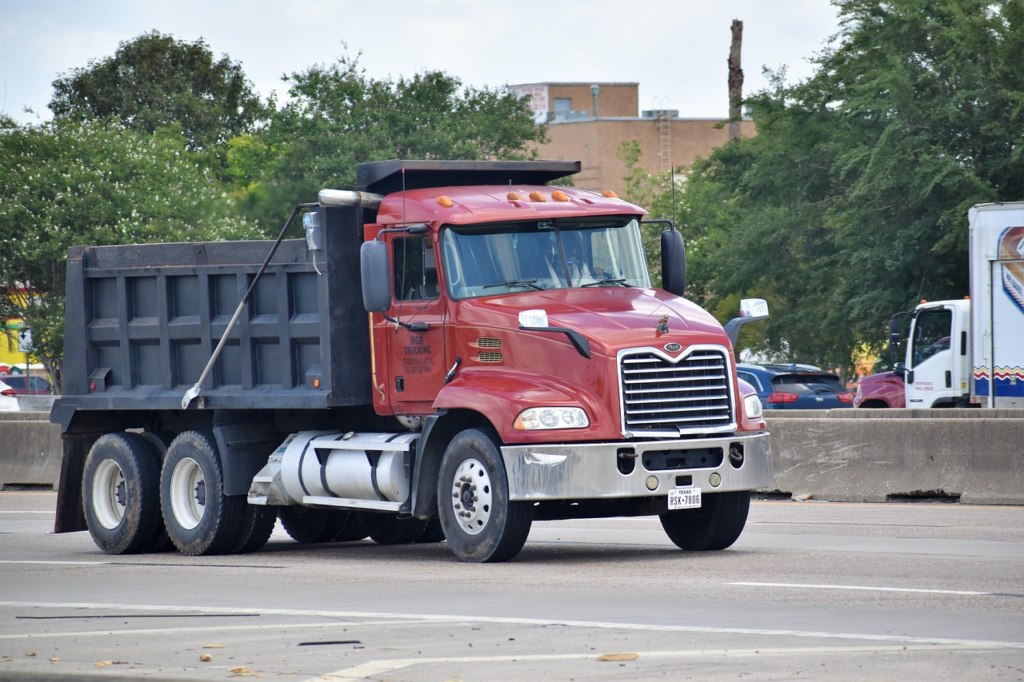
Similarly, selecting the appropriate chassis ensures compatibility with specialized equipment such as dump bodies, flatbeds, refrigerated units or service bodies. Businesses should carefully evaluate how their equipment integrates with the truck before making a purchase.
Prioritize Reliability and Dealer Support
A dependable truck is only part of the equation. Access to quality service, replacement parts and knowledgeable support helps minimize downtime throughout the vehicle’s lifespan. When researching new commercial trucks, many fleet managers explore options available through HOLT Truck Centers, which offers a range of international truck models designed for various industries and operational requirements. Working with an experienced dealer also provides valuable guidance when comparing configurations, financing options and long-term maintenance plans.
Think About Driver Comfort and Safety
Driver satisfaction directly impacts productivity and retention. Features such as ergonomic seating, advanced driver assistance technologies, climate control and intuitive dashboard controls contribute to a more comfortable working environment.
Modern safety systems including collision mitigation, lane departure alerts and improved visibility also help reduce risks on the road while supporting compliance with industry safety standards.
Plan for Long-Term Value
While purchase price often influences buying decisions, the total cost of ownership provides a more accurate picture of long-term value. Fuel efficiency, maintenance intervals, parts availability, resale value and warranty coverage all contribute to overall operating expenses.
Endnote
Businesses that evaluate these factors alongside their operational needs are more likely to invest in a truck configuration that delivers dependable performance for years to come. Taking the time to assess current demands and future objectives ensures every purchase supports efficiency, reliability and sustainable business growth.