After a collision, most people have one goal: get the car fixed and get back on the road. That instinct is completely understandable, but moving too fast on repairs can quietly weaken your accident claim, which is why many drivers check with a car accident lawyer before authorizing any work.
The way you handle the days between the crash and the repair shop matters. A few small choices can mean the difference between a fair settlement and money left on the table. Here is what every driver should know before handing over the keys.
Why Repairs and Your Claim Are Connected
Your damaged vehicle is evidence, and repairing it changes that evidence permanently. Insurance adjusters use the physical damage to reconstruct how the crash happened, who was at fault, and how hard the impact really was. Once the dents are pulled and the panels are replaced, that proof is gone for good.
To understand how insurance companies evaluate these situations broadly, you can review the guidelines provided by the Insurance Information Institute on auto claims. Think of it this way: the car tells the story of the accident. Fix it before anyone documents it, and you have erased key chapters of your own case.
Get Documentation Before Any Repairs Begin
Document everything before a single repair starts. This is the single most important step, and it costs nothing.
Photograph Everything
Take clear, well-lit photos from multiple angles the same day if possible. Capture wide shots showing the whole vehicle, close-ups of every dent, scratch, and broken part, the interior including deployed airbags or shifted seats, the license plate and odometer for identification, and any fluid leaks, tire damage, or debris. Photos are free, and they cannot be argued with later.
Keep the Repair Estimates
Save every written estimate you receive, and get more than one. A common rule of thumb among body shops is that getting two or three estimates gives you a realistic range and protects you if an insurer lowballs the repair cost. Keep the paperwork in one folder, digital or physical, so nothing gets lost.
Repairs That Can Complicate or Weaken a Claim
Certain repair decisions can hurt your claim even when you are the injured party. Watch for these traps.
Fixing the Car Before the Insurer Inspects It
Never authorize repairs before the at-fault party’s insurer has a chance to inspect the vehicle. If you fix it first, the adjuster can claim they had no opportunity to verify the damage, and may dispute part or all of your bill. As a practical tip, ask the insurance company in writing when they plan to inspect. If they delay unreasonably, that written record works in your favor.
Choosing the Cheapest Shop or Aftermarket Parts
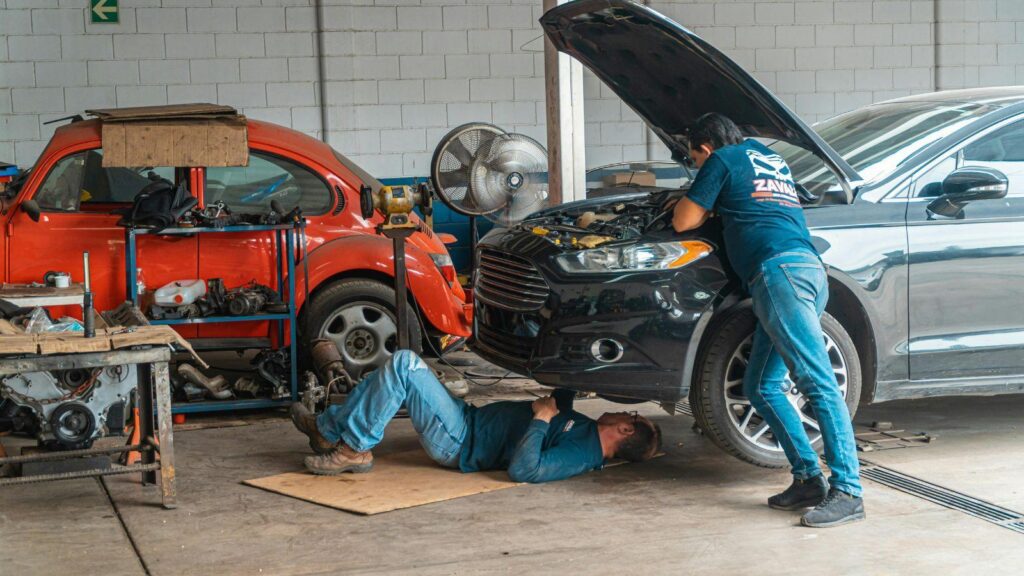
Cutting corners on repairs can lower your car’s value and your credibility. A rock-bottom shop may miss hidden damage or use low-quality parts that fail inspection later. If the crash involved a newer vehicle, ask whether the shop uses original equipment manufacturer parts. Skipping them can affect both safety and resale value.
Ignoring Hidden or Structural Damage
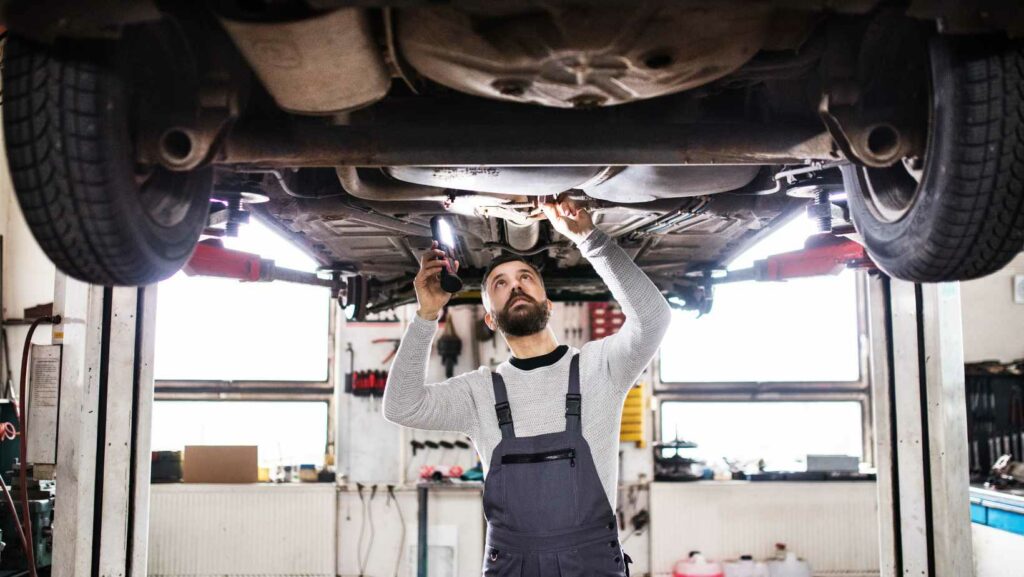
Don’t assume the damage is only what you can see. Modern vehicles hide a lot beneath the surface, as bent frames, cracked sensors, and compromised crumple zones often don’t show up in a quick look. According to the National Highway Traffic Safety Administration, vehicle safety systems like crumple zones are designed to deform in a crash, meaning serious structural harm can exist even when the car looks drivable. Always ask for a full diagnostic inspection, not just a visual one.
Diminished Value: The Cost Repairs Can’t Erase
Even a perfectly repaired car is often worth less after a crash, and that loss belongs in your claim. This is called diminished value, and many drivers never think to claim it.
Here is a concrete example: you own a car worth $25,000 before the accident. It is repaired flawlessly after a collision. Because it now has a crash on its history report, buyers will only pay $21,000. That $4,000 gap is your diminished value loss.
A spotless repair doesn’t restore the price tag. If the other driver was at fault, you may be entitled to recover that difference on top of the repair cost.
Steps to Protect Your Claim During Repairs
Follow a simple checklist to keep your claim strong. Print it, save it, or share it, as these steps apply to almost any crash. Photograph the damage before it is touched, report the accident to your insurer promptly, and wait for inspection before authorizing repairs. Get multiple estimates in writing, use a reputable shop, and ask about original equipment manufacturer parts. Request a full diagnostic for hidden damage, keep every receipt, invoice, and estimate, and ask about diminished value before you settle.
Following these in order rarely takes more than a few extra days, and those days can add thousands to a fair outcome.
When to Talk to a Professional
Get legal guidance early if your crash involves injuries, a dispute over fault, or an insurer pushing back on costs. The rules around repairs, diminished value, and settlement timing can get complicated fast, especially when an insurance company is more focused on closing your file than paying full value.
An experienced car accident lawyer can review your repair estimates, help you avoid the mistakes above, and make sure the settlement reflects the full impact on your vehicle, not just the visible dents. Many offer free consultations, so asking a question early usually costs you nothing.
Final Thoughts
Repairs and accident claims are deeply linked, and how you handle one directly affects the other. Rushing to fix your car can quietly erase evidence, shrink your settlement, and cost you the diminished value you are owed.
Remember three essential habits: document first and repair second, let the insurer inspect before you authorize work, and do not forget diminished value when you settle. Your car is one of the biggest purchases you will ever make. Protecting its value after a crash is worth a few extra days of patience and a folder full of photos. Handle the repairs the right way, and you protect both your vehicle and your claim.