No cash? No problem. Most repair shops now take cards, phones, and even wearables. And the ones that don’t? They risk falling behind the competition.
And this expectation cuts both ways. As a customer, you want speed and a clean record of what you paid for. As a shop, you need fewer disputes, faster checkouts, and payments that actually reconcile with the job. All that only happens if the process is tight: clear estimates, documented approvals, and a payment system that ties everything together.
What “Secure Checkout” Actually Looks Like Now
A decent repair shop doesn’t just hand you a terminal and hope for the best. You’ll see a certain flow: estimate → approval → work → final invoice → payment. Each step leaves a trail.
The estimate should be written (digital is fine), with parts, labor hours, and taxes separated. And before any wrench turns, you approve it, often with a signature on a tablet or a confirmation link. That authorization matters later if something goes sideways.
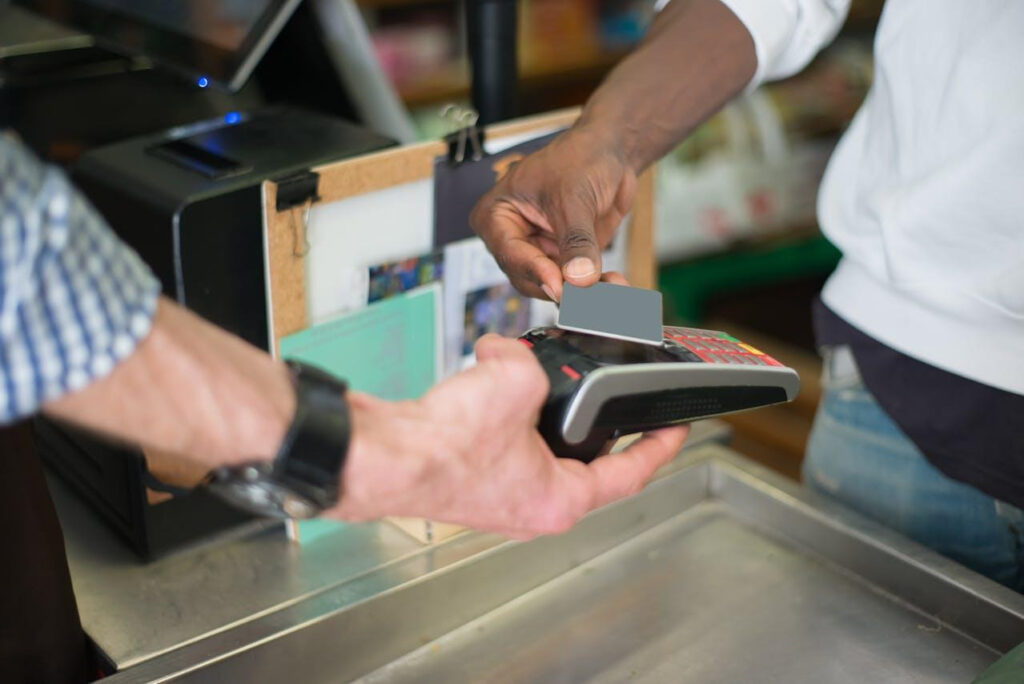
At checkout, the terminal should display the exact amount tied to that approved work order. If the number jumps, ask why before you tap.
Why Tap and Chip Beat Magstripe
Magstripe is basically legacy at this point. It’s easier to skim, easier to clone, and harder to defend if fraud happens.
Chip cards (EMV) generate a unique cryptogram per transaction. Contactless (NFC) or your tap, does the same, often with tokenization layered on top. So your real card number isn’t even what the shop sees.
All this to say, if a terminal asks you to swipe in 2026, it’s wise to pause. It might be a fallback mode, but it might also signal outdated hardware. Either way, ask to insert or tap instead.
The Global Move Away From Cash

You’ve no doubt seen it: there are fewer cash drawers, more terminals, faster lines. For businesses, digital payments cut reconciliation time and reduce shrink (cash just… disappears sometimes).
That’s part of the shift away from cash, especially for in-person payments where speed and audit trails matter. Providers like Planet build systems that tie the payment directly to the job ticket, which makes disputes easier to resolve and accounting cleaner on the back end.
For you, it means clearer records and better protection. Cash has its place, but it leaves you with less leverage if something goes wrong.
Deposits and Not Getting Surprised
Some jobs require parts orders or long labor windows. So shops will ask for a deposit or run a pre-authorization on your card.
A deposit is a charge. A pre-auth is a hold (it reduces your available credit but doesn’t settle unless they capture it). You can absolutely ask which one they’re using, and the exact amount they’re charging.
You can also set boundaries in writing. If the shop finds additional issues, they should call or message for approval before exceeding the estimate. If they don’t, you have a clean argument to push back.
Spotting Junk Fees
You’ll see legitimate line items like disposal fees, shop supplies, and diagnostic time. But you may also see padding or junk fees if you’re not paying attention.
Look for vague entries like “misc.” or duplicated supply fees across multiple tasks. Of course, don’t jump to confrontation immediately but ask for clarification: “Can you break this down by part and labor?” Most shops will (the good ones already do).
And if a fee wasn’t disclosed in the estimate, you’re within your rights to question it before paying. Polite, firm, documented.
What to Do if the Terminal Is Offline
It happens. Network drops, software updates, the usual.
First option: ask for a retry or another terminal. Second: request a secure payment link (many systems can generate one tied to your invoice). Third: call in your card only if the shop uses a reputable processor and can email you a receipt instantly.
Avoid writing card numbers on paper. And if they insist on manual entry, watch the amount entered and keep the receipt (or better, ask them to wait until the system is back online).
Receipts That Actually Protect You
A “Paid” stamp isn’t enough. You want an itemized receipt that mirrors the estimate: parts (with part numbers if possible), labor hours, taxes, and total.
Even better, get a digital copy. It’s searchable, shareable, and harder to lose when you need it for a dispute or resale.
Also, ask for warranty terms in writing. Car parts and labor often carry different coverage windows. If the alternator fails in three months, you don’t want a debate about what was promised.
Small Habits That Prevent Big Problems
Take a photo of the estimate before work starts (even if it’s digital). Confirm your contact details so approvals don’t get “missed.” And read the screen before you tap every time.
And if something feels off, or you have any questions, slow it down. A reputable shop won’t rush you through payment. They’ll explain, adjust, and document.