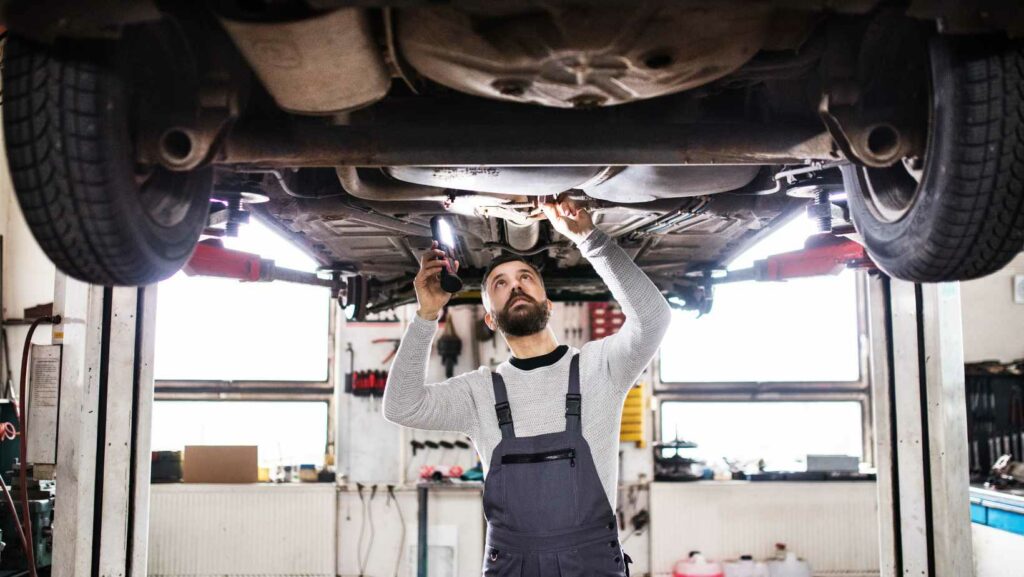
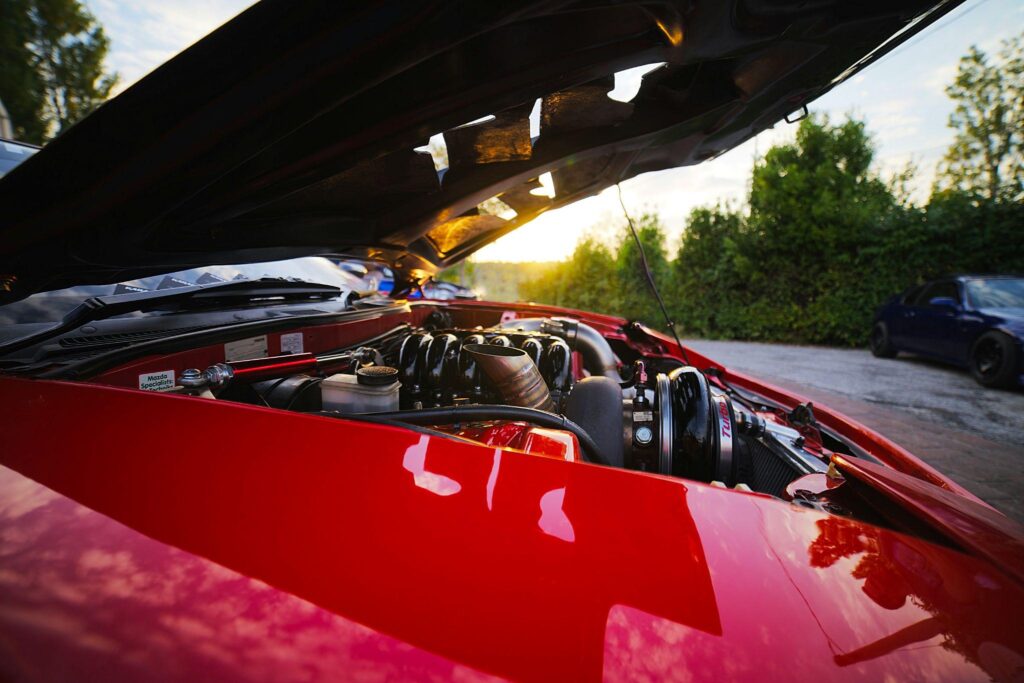
At what point does it become more cost-effective to replace a car rather than repair it?
Nearly every car owner faces this question.
The answer often comes down to mileage, vehicle age, and property damage from accidents. However, eight distinct indicators are frequently overlooked, including complete transmission overhauls, gasket troubles, engine rebuilds, timing chain failures, faulty airbag systems, structural corrosion, and repeated emissions failures. Hybrid car owners must also consider the high costs of battery replacements.
Take a closer look at the most expensive repairs on the market, including alternatives that can save you money in the long run.
1. Transmission Overhaul
Your car’s transmission transfers power from the engine to the wheels. However, when crucial internal parts, such as clutches, bands, and gears, fail, your car loses the ability to shift or even move.
A quick way to assess the health of your transmission is to check the dipstick. Dark, burnt fluid with metal flakes is a sign of major internal damage. The cost to replace a transmission can range anywhere from $3,500 to $6,000.
Instead, research alternatives to costly repairs, such as Cash for Cars, where you can get a junk car valuation before selling. Prioritizing your safety and saving that money toward a more reliable car is often the better path.
2. Blown Head Gasket
A head gasket leak can quickly destroy your car’s engine by mixing motor oil and coolant. Three telltale signs include:
- Thick white smoke from the exhaust pipe
- White sludge in the oil filler cap
- Uncontrollable engine overheating
However, this problem could cost $2,000 to $4,500 to fix, while a total car replacement may be a wiser option, depending on the age of the car.
3. Hybrid Battery Pack Replacement
If you own a hybrid car, one of the most costly repairs is a battery pack replacement. Once battery cells degrade, the pack loses its ability to hold a charge. You will also see dashboard warning lights and a noticeable drop in fuel economy.
Replacements are expensive and could cost you $5,000 to $8,000 on average.
4. Complete Engine Rebuild
If your engine requires a complete reconstruction, it is time to consider a new or used car. Listen for metallic knocking sounds within the engine. Your engine may “seize” altogether and refuse to crank.
With an average engine rebuild cost of $4,000 to $9,000, consider selling your car for cash to buy a safer vehicle.
5. Timing Chain Failure
Your car’s timing chain maintains the rotation of the crankshaft and camshaft, but if the chain snaps, the vehicle’s pistons can damage the engine valves. If you hear a heavy, rattling sound while starting up your car, that’s a sign. The engine may suddenly stall or fail to start completely.
Repairs can cost $2,500 to $5,000 on average, which is an expensive investment.
6. Airbag System Failures
Your car’s Supplemental Restraint System (SRS) depends on a network of sensors, computer modules, and complex wiring. Even one corrupted component can quickly compromise your safety. If your SRS/airbag warning light remains on, see a mechanic for further help.
Since SRS repairs can cost $2,000 to $4,000, consider replacing your car with a safer model.
7. Structural Corrosion
One of the most noticeable external issues with older cars is rust. Corrosion compromises the structural integrity of your car, making it more prone to serious property damage.
Since heavy rust is often not fixable, you would need full frame replacements, which can cost $3,000 to $6,000 or more. You may have to purchase a new or used car at this point.
8. Recurring Emissions Failures
When underlying engine issues worsen, you’ll have to consider the cost benefits of replacing your car over repairing it. Burning oil and coolant will also destroy your catalytic converter.
You may also smell a distinct rotten-egg odor. Another telltale sign of these underlying issues is a failed emissions inspection.
It can cost between $1,500 and $3,500 to repair, and a permanent fix is not always guaranteed.
Next Steps
Weigh the pros and cons of repairing serious car issues versus investing in a replacement vehicle. Take these eight expensive fixes into account, as well as alternatives that can save you money and improve your safety.
As a car owner, one of the most important things you can do for your wallet (and safety) is to stay informed. Follow our blog for pro tips, maintenance guides, and more!