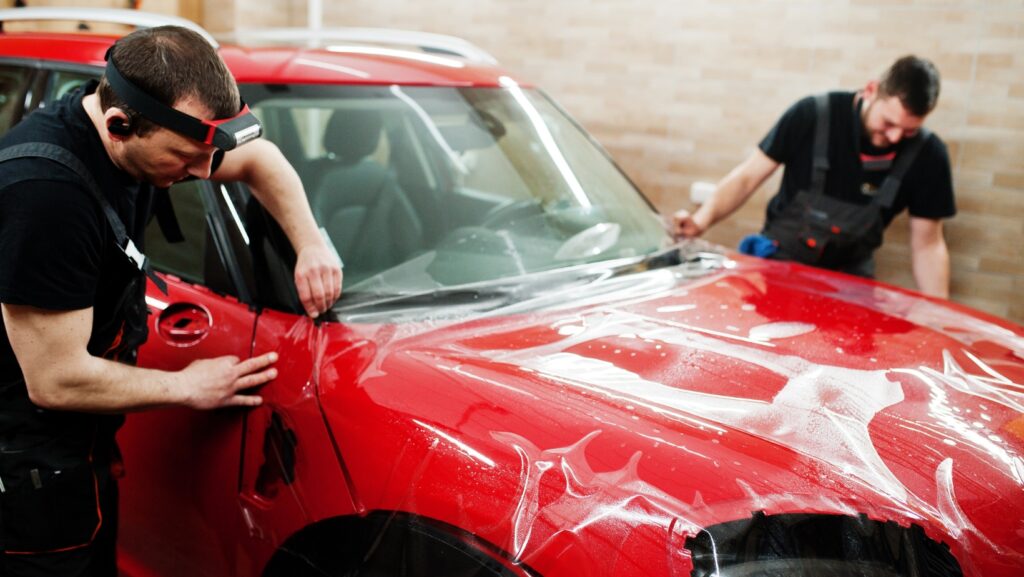
We all know that feeling, triumphantly driving off the lot with our new car, only to have our excitement dashed by an unexpected scratch. Whether it’s a run-in with a rogue shopping cart or a friendly game of tag with a tree branch, scratches can feel like a threat to our vehicle’s beauty. But fear not. We’ve got a comprehensive guide on how to repair scratches on car surfaces, combining expert tips with a sprinkle of humor to chip away at that frustration. Let’s jump into the nitty-gritty of scratch repair and reclaim that showroom shine.
Understanding Different Types Of Car Scratches
Not all scratches are created equal. Some may be superficial, while others can dig deep into the clear coat or even the paint. Here’s our lowdown on the variety of scratches:
Clear Coat Scratches
These are the light scratches that affect only the clear coat layer of your paint. They’re usually easy to repair and may only need some polishing.
Paint Scratches
If you can see color in the scratch, then you’ve penetrated the paint layer. These require a more meticulous approach but can still be tackled with a bit of elbow grease.
Deep Scratches
These bad boys go all the way to the metal, and repairing them involves more than just buffing. You might need to use touch-up paint to seal the deal.
Understanding the difference helps us choose the right repair method, so we can keep our cars looking their best.
Essential Tools And Materials Needed
Before we jump into fixing those pesky scratches, let’s gather our arsenal. Here’s what we’ll need:
Microfiber cloths: These are essential. They won’t scratch up your finish while you work.
Scratch remover or polish: A product specifically designed for scratches will work wonders.
Touch-up paint: Make sure it matches your car’s color: you can usually find this at your dealer or online.
Clear coat: This will help protect the area once we finish our repairs.
Sandpaper (if needed): Use a very fine grit (2000 or similar) for deep scratches.
With our tools all lined up, we’re ready to turn our scratch repair mission into a successful operation.
Step-By-Step Guide To Repairing Scratches
Now comes the fun part, let’s roll up our sleeves and get to work. Here’s a step-by-step guide:
For Clear Coat Scratches
Clean the Area: First, we need a clean workspace. Wash the scratched area and dry it completely.
Apply Scratch Remover: Using a microfiber cloth, apply the scratch remover in a circular motion. Buff until the scratch is less noticeable.
Final Polish: Give it a once-over with a clean cloth to enhance that shine.
For Paint Scratches
Prep the Surface: Clean and dry the scratch area.
Fill With Touch-Up Paint: Carefully apply the touch-up paint using the brush or pen provided. Don’t be shy, get it in there.
Let it Dry: Patience is key. Allow the paint to dry according to the instructions.
Clear Coat Application: Once dry, apply the clear coat over the newly painted area to protect it.
For Deep Scratches
Clean Thoroughly: Remove any dirt and grease.
Lightly Sand: Sand the area around the scratch gently to smooth it out (be super careful not to go too deep.).
Apply Touch-Up Paint and Clear Coat: Just as with paint scratches, fill in the scratch and cover it with clear coat.
Polish: Finally, give everything a good polish for a seamless finish.
By following these steps, those scratches won’t know what hit ’em.
Preventative Measures To Avoid Future Scratches
Now that we’ve tackled the current scratches, let’s save ourselves from future headaches. Here are a few preventative measures to finesse our car’s defenses:
Protective Coating: Consider applying a ceramic coating or wax that adds a layer of defense against scratches.
Careful Parking: This might seem obvious, but avoiding tight spots and being mindful of where you park can save us from unsightly dings.
Regular Cleaning: Keeping our car clean reduces the chances of damaging dirt and debris causing scratches.
Use Garage Space: If we have one, let’s use that garage. It’s like a cozy shield against nature’s wrath.
Being proactive can save us not just effort, but also money.
When To Seek Professional Help
Let’s face it: there are times when we must admit defeat. If the deep scratches run our way and we’re feeling overwhelmed, seeking professional help might be the best route. Here are a few indicators:
Multiple Deep Scratches: If the damage seems extensive, we might need a pro’s expertise.
Paint Damage: If the scratch penetrates through multiple layers, a professional can color match and blend it better than we can.
Time Constraints: Sometimes life is too busy for DIY projects. In those cases, a quick visit to a body shop might be worth it.
Knowing when to call in the experts can save us a lot of heartache.