A loan is often used as a practical solution when essential repairs must be completed immediately. When financing is used carefully, access to dependable transportation is maintained without exhausting savings.
In this article, we’ll take a closer look at the types of loans that will keep your car on the road – and what to look out for when applying for finance.
Spot the Repairs That Can’t Wait
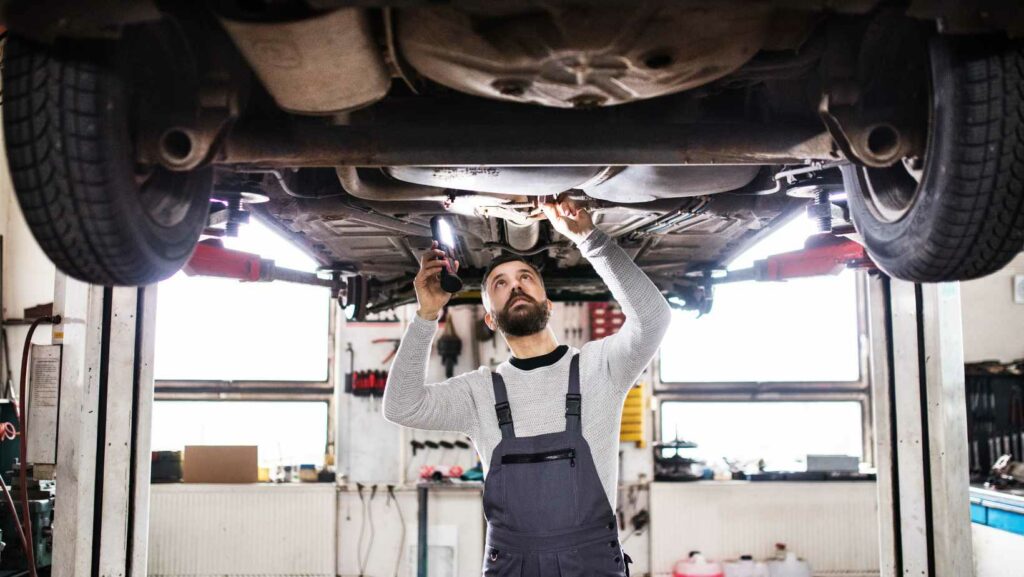
Some repairs are widely recognized as urgent because safety and drivability are affected. Brakes, steering, suspension, and tires are usually placed at the top of the priority list. Brake wear provides a clear example.
When a grinding sound is heard or vibration is felt during braking, pads are often worn down, and rotors may already be at risk. If repairs are delayed, a simple pad replacement can become a more expensive rotor and caliper repair.
In addition, ignoring those repairs risks brake system failure, with potentially catastrophic consequences.
Tires also demand fast action because traction is reduced as the tread wears down. This is especially true on wet roads, where stopping distance increases. A familiar scenario involves a driver noticing uneven tread and continuing to drive. Within weeks, a blowout may occur on the highway, creating a dangerous and potentially expensive situation.
Cooling system problems often progress just as quickly. A small leak in a hose or radiator can lead to overheating, and overheating can cause severe engine damage. Battery and alternator problems also deserve attention, since weak charging systems commonly lead to no-start situations.
When a diagnostic inspection is completed, urgent repairs are typically ranked by risk and by how quickly costs increase. This keeps borrowing focused on what truly protects road readiness.
Choose a Loan That Matches the Need
Different loan types are typically used based on repair cost, urgency, and budget. For smaller repairs, short-term borrowing is often the first choice because the balance can be cleared quickly. For larger repairs, such as transmission replacement, longer-term personal loans are often preferred because monthly payments are kept manageable.
The full cost of borrowing should always be reviewed, not only the monthly payment. Interest rate, origination fees, and repayment rules all contribute to the total cost. Funding speed is also important. Many repair shops require payment before the vehicle is released, so delays can create real inconvenience.
Lenders may also review existing vehicle financing options. For example, knowing how to take over a car loan enables better responsibility management, such as securing a new loan to assume payments without default risk, especially when family steps in after relocations, job shifts, or budget changes.
Using Funds Strategically
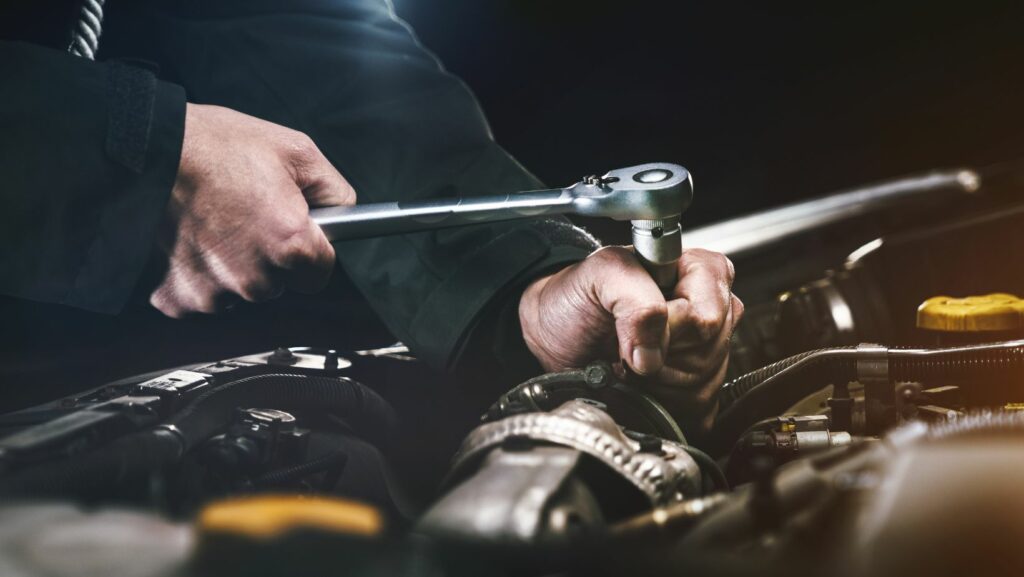
After financing is secured, the repair process is best handled with a clear plan. Loan funds deliver the most value when they are tied directly to the work needed.
Requesting a written estimate is strongly recommended before repairs begin. It should include labor, parts, taxes, and shop fees. This level of detail reduces the risk of surprise charges and supports better decision-making.
Parts selection also shapes both cost and reliability. Original equipment parts are sometimes preferred for compatibility, but high-quality aftermarket parts are often used to reduce costs while still providing reliable performance. For example, when an alternator fails, an original part may cost significantly more, while a trusted aftermarket unit may perform just as well and include a warranty.
Warranty coverage should be reviewed as carefully as price. Many reputable shops provide warranties on parts and labor, which adds protection if the repair fails early. When several repairs are recommended, work is often separated into phases.
Safety and drivability issues should be handled first, while non-essential services and repairs can be scheduled for a later date. This approach keeps loan amounts lower while ensuring the vehicle is in a roadworthy condition.
Protect Your Budget While You Repay
Repair funding helps most when repayment is planned with care. A loan is meant to solve a problem, not create new pressure. Before borrowing, the payment amount is typically compared to essentials such as insurance, fuel, and household bills. When payments are manageable, the risk of missed due dates is reduced, and financial stability is protected.
Consistency is usually supported through automatic payments. Late fees are avoided, and credit health is maintained. When early repayment is allowed without penalties, extra payments are sometimes made to reduce interest. Even small additional amounts can shorten the repayment time and lower the total cost.
At the same time, a maintenance fund is often set up to prevent future emergencies. A realistic example involves setting aside a small weekly amount, such as the cost of one meal out per week. Over time, that money can cover oil changes, tire rotations, and battery replacement.
Routine costs can then be handled without additional borrowing. This combination keeps repayment smooth while building a stronger safety net for the next unexpected repair.
Keeping Your Car Road Ready After Repairs
Once repairs are completed and the car returns to normal driving, long-term reliability depends on consistent maintenance. Oil changes are typically scheduled according to driving conditions.
Drivers who face heavy traffic or frequent short trips often follow shorter intervals. Air filters, belts, and hoses are also inspected regularly because heat and age can cause sudden failure.
Tires play a major role in ongoing road readiness. Proper inflation supports handling and improves fuel efficiency, while rotations reduce uneven wear and extend tread life. Brake inspections help catch pad wear early before rotors are damaged.
Small warning signs often appear before a larger failure. A new vibration, a squeal, or a dashboard light usually signals a developing issue. When the problem is addressed early, repairs are often less expensive.
Service records also support resale value and help mechanics diagnose future concerns faster. Over time, this consistent approach helps the loan-funded repair deliver value for many miles.
Drive With Confidence and Control
The best outcomes are typically achieved when borrowing stays focused on essential repairs, loan terms match the budget, and maintenance continues after repairs are completed.
With this approach, transportation remains reliable, repair stress is reduced, and long-term vehicle value is protected.