
Winter driving in Canada presents unique challenges that can leave even the most prepared drivers stranded. Understanding when your vehicle needs professional intervention versus a quick roadside fix can save you time, money, and potentially prevent further damage to your car. This guide explores the critical situations where professional towing becomes necessary and what modern vehicle owners should know about winter emergency services.
Understanding Winter Vehicle Vulnerabilities
Cold weather creates a perfect storm of mechanical challenges. Battery capacity drops significantly in freezing temperatures, with most batteries losing 35% of their power at 0°C and up to 60% at -18°C. Your engine oil thickens, making it harder for components to move freely. Fuel lines can freeze if moisture enters the system, and tire pressure drops approximately 1 PSI for every 10-degree temperature decrease.
These factors compound during extreme cold snaps, which is why winter sees a dramatic spike in roadside emergencies. Recognizing the difference between a minor inconvenience and a situation requiring professional assistance is crucial for your safety and your vehicle’s longevity.
Signs Your Vehicle Needs Professional Towing
Complete Engine Failure
If your engine refuses to start after multiple attempts or dies while driving and won’t restart, this typically indicates a serious mechanical or electrical issue. Continuing to crank the starter can drain your battery completely and potentially damage the starter motor. Modern vehicles with complex computer systems may require diagnostic equipment to identify the root cause, making professional transport to a repair facility the most sensible option.
Transmission Problems
Unusual grinding, slipping, or complete failure to shift gears signals transmission trouble. Attempting to drive a vehicle with transmission issues can cause catastrophic damage, turning a potentially repairable problem into a complete transmission replacement. If you notice burning smells, leaking fluid, or the transmission warning light illuminates, stop driving immediately.
Severe Overheating
Steam billowing from under your hood, temperature gauges in the red zone, or the smell of coolant indicate critical overheating. Driving an overheating vehicle can warp cylinder heads, blow head gaskets, or crack the engine block. These repairs cost thousands of dollars and are entirely preventable by calling for professional assistance when you first notice overheating symptoms.
Collision Damage
Even minor accidents can cause hidden damage to critical systems like the cooling system, fuel lines, or suspension components. What appears to be cosmetic damage might compromise your vehicle’s safety or drivability. Professional towing after any collision ensures both your safety and proper documentation for insurance purposes.
Stuck in Snow or Ice
If your vehicle is high-centered on snow, stuck in a ditch, or immobilized on ice, attempting to free it yourself can cause damage to your drivetrain, suspension, or undercarriage. Professional recovery services have specialized equipment like winches and tow straps designed to extract vehicles safely without causing additional harm.
The Evolution of Emergency Towing Services
The towing industry has evolved dramatically over the past decade. Modern towing companies now offer GPS tracking so you can see exactly when help will arrive, mobile payment options, and digital communication systems that keep you informed throughout the process. Many services provide real-time ETAs and allow you to communicate directly with your driver.
Professional operators understand that being stranded creates stress and uncertainty. Quality towing services prioritize transparent pricing, fast response times, and courteous service. When you call a reputable company like Towing Services Edmonton, you’re accessing a network of trained professionals equipped to handle everything from simple jump-starts to complex vehicle recovery operations.
What to Expect from Professional Towing
When you contact a professional towing service, the dispatcher will gather essential information: your exact location, vehicle type, the nature of your breakdown, and any special circumstances like whether you have passengers or if the vehicle is in a dangerous location. This information helps them send the appropriate equipment and prepare for any special requirements your situation might need.
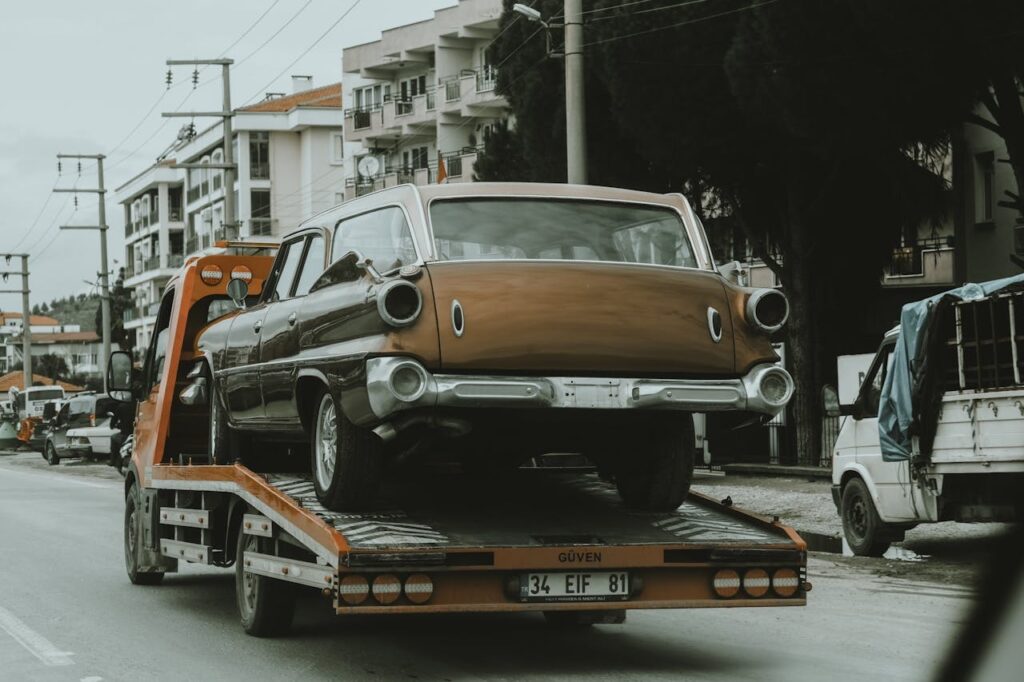
Modern flatbed towing has become the gold standard for vehicle transport. Unlike traditional hook-and-chain towing, flatbed trucks load your entire vehicle onto a flat platform, eliminating wear on your drivetrain and preventing potential damage during transport. This method is particularly important for all-wheel-drive vehicles, luxury cars, and motorcycles.
Response time varies based on weather conditions, traffic, and distance, but professional services typically arrive within 30 to 60 minutes in urban areas. During extreme weather events, services prioritize safety over speed, as rushing during hazardous conditions puts everyone at risk.
Choosing Between DIY Solutions and Professional Help
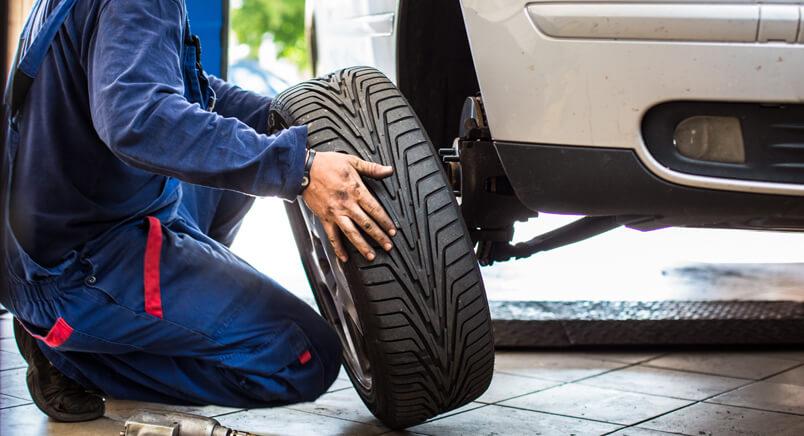
Some roadside issues genuinely are DIY-friendly. A flat tire with a good spare, functioning jack, and clear weather conditions might not require professional assistance if you’re comfortable changing tires. Similarly, if you simply ran out of gas on a safe shoulder, walking to a nearby gas station with a fuel can might be practical.
However, several factors should push you toward professional help even for seemingly simple issues:
Safety concerns top the list. Changing a tire beside a busy highway in poor visibility or extreme weather puts you at serious risk. Hundreds of motorists are injured or killed each year while performing roadside repairs.
Lack of proper tools or knowledge means attempting repairs could worsen the situation. Modern vehicles are complex machines, and what appears simple might involve electronic systems you can’t diagnose without specialized equipment.
Insurance considerations often favor professional towing. Many auto insurance policies include roadside assistance at no additional charge, and proper documentation of professional towing can be crucial for claims related to mechanical failure or accidents.
Time and convenience matter when you’re stranded in freezing weather or have passengers who need to reach important destinations. Professional services get you to safety quickly and efficiently.
Emergency Preparedness for Winter Driving
Prevention remains the best strategy for avoiding winter breakdowns. Regular maintenance checks before winter arrives should include battery testing, coolant system inspection, tire condition and pressure verification, and ensuring your emergency kit is stocked.
Your winter emergency kit should contain a charged cell phone with car charger, emergency contact numbers including your preferred towing service, blankets and warm clothing, non-perishable snacks and water, flashlight with extra batteries, first aid kit, basic tools, jumper cables, ice scraper and snow brush, small shovel, and cat litter or sand for traction.
Even with perfect preparation, breakdowns happen. Knowing who to call before you need help removes one source of stress from an already stressful situation. Research reputable towing companies in your area, save their contact information in your phone, and understand what services your insurance policy covers.
The Cost of DIY Mistakes
While calling professional help involves upfront costs, attempting DIY solutions often leads to greater expenses. Tow truck drivers regularly encounter situations where initial mechanical problems were compounded by well-intentioned but misguided repair attempts.
For example, trying to drive a vehicle with a failing alternator might leave you stranded with a dead battery miles from anywhere rather than addressing the issue when it first appeared. Continuing to drive with a damaged cooling system can transform a $200 thermostat repair into a $3,000 engine rebuild. Attempting to extract a stuck vehicle using inappropriate towing methods can damage suspension components, undercarriage panels, or drivetrain parts.
Professional towing costs typically range from $75 to $200 for local service, depending on distance and vehicle type. This investment protects you from potentially thousands in additional repair costs, insurance complications, and safety risks.
Questions to Ask When Calling for Help
When you contact a towing service, asking the right questions ensures you receive appropriate assistance:
- What is your estimated arrival time?
- What type of tow truck will you send?
- What are your rates, and are there additional fees I should expect?
- Do you accept my insurance company’s authorization?
- Can you transport me along with my vehicle?
- Are you licensed and insured?
Reputable companies answer these questions clearly and provide upfront pricing without hidden fees. They understand that transparency builds trust, especially when you’re already dealing with vehicle trouble.
The Role of Technology in Modern Towing
Artificial intelligence and machine learning now play significant roles in towing dispatch and route optimization. Advanced companies use algorithms that factor in real-time traffic, weather conditions, and equipment availability to ensure the fastest possible response to your emergency.
GPS tracking allows you to see your tow truck’s location in real-time, similar to ride-sharing apps. This visibility reduces anxiety about when help will arrive and allows you to make informed decisions about seeking shelter or arranging alternative transportation for passengers.
Digital payment systems mean you don’t need cash or checks. Many services now accept credit cards, debit cards, and even digital wallets, with receipts sent directly to your email for easy expense tracking and insurance claims.
Communication platforms keep you updated throughout the process. Text message updates inform you when your driver is dispatched, when they’re 10 minutes away, and when they’ve arrived. This proactive communication eliminates the uncertainty that traditionally made breakdowns so stressful.
Looking Forward: The Future of Emergency Roadside Services
The towing industry continues evolving with vehicle technology. Electric vehicles require specialized knowledge and equipment, as their weight distribution and towing points differ from traditional combustion engines. Professional services invest in training and equipment to safely handle these newer vehicle types.
Subscription-based roadside assistance programs now compete with traditional insurance add-ons, offering unlimited service calls for a flat annual fee. These programs can provide excellent value for drivers who frequently travel or own older vehicles more prone to breakdowns.
Autonomous vehicle technology may eventually reduce some types of breakdowns through predictive maintenance alerts and system redundancies, but physical issues like tire damage, collisions, and weather-related problems will continue requiring professional towing services.
Making the Right Choice for Your Situation
When your vehicle breaks down, taking a moment to assess the situation prevents hasty decisions you might regret. Ask yourself: Is this location safe for me and my passengers? Do I have the knowledge, tools, and conditions to address this problem myself? What are the potential consequences of attempting a DIY fix versus calling professional help?
Most importantly, never let pride or cost concerns put your safety at risk. The expense of professional towing pales in comparison to the potential costs of injury, additional vehicle damage, or being stranded in dangerous weather conditions.
Winter driving requires preparation, vigilance, and knowing when to seek professional assistance. By understanding your vehicle’s winter vulnerabilities, recognizing signs that require expert intervention, and establishing relationships with reliable service providers before emergencies occur, you can navigate winter’s challenges with confidence and peace of mind.
Remember that professional towing services exist not just to move broken vehicles, but to ensure your safety, protect your investment, and get you back on the road as quickly as possible. When winter weather strikes and mechanical problems arise, having a trusted partner ready to help makes all the difference between a minor inconvenience and a major crisis.