
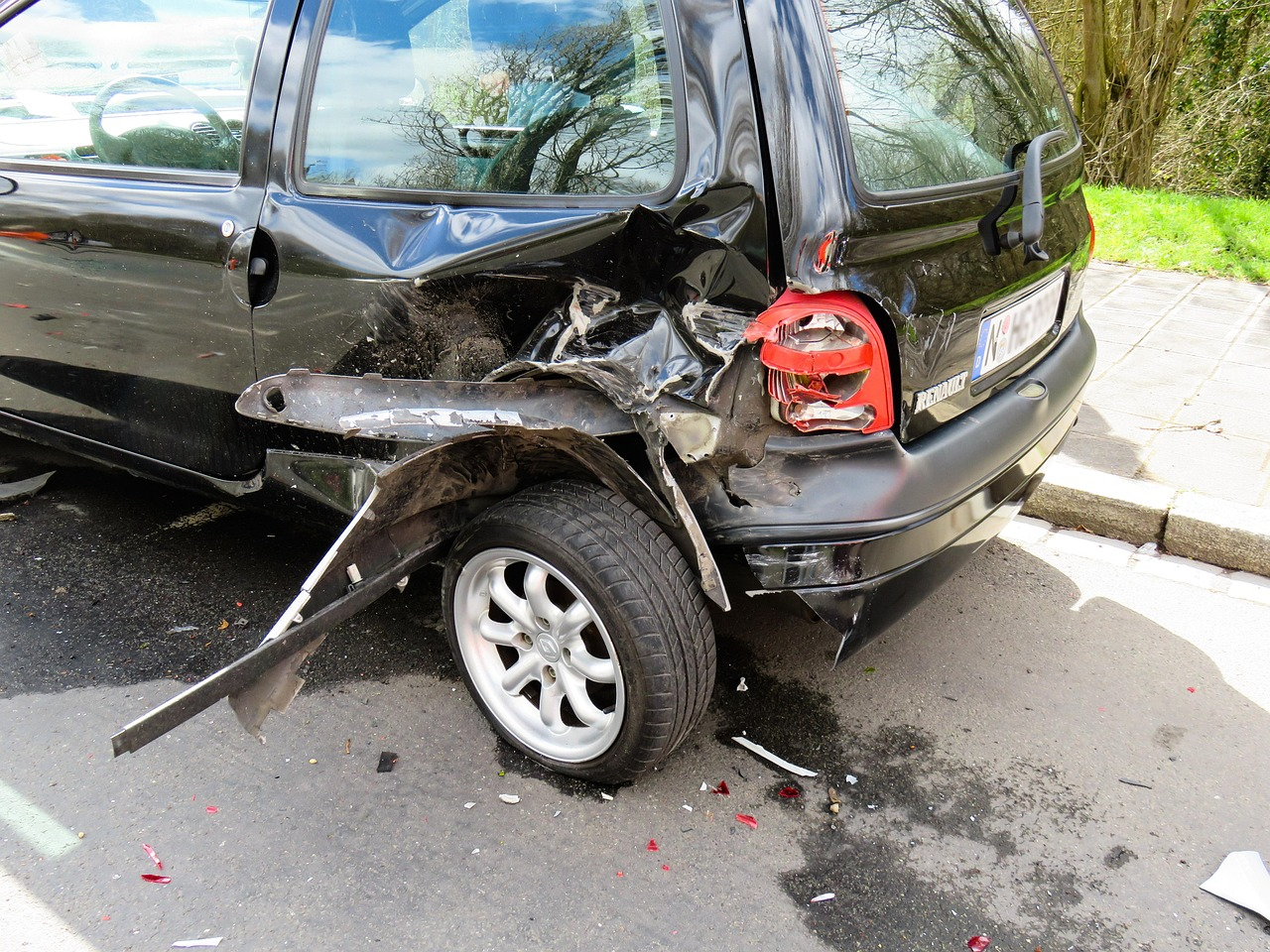
A car accident turns a routine day down in seconds.
And when the adrenaline wears off… real problems set it.
Dealing with repairs. Medical treatment. Sorting out work… All of that is enough on its own. Which is why few drivers realize:
How you handle the days after an accident drastically impacts your car accident damages recovery
Insurance companies are quick. Too quick. Their adjusters work to settle claims as fast (and cheaply) as possible.
But you have options. Protecting your rights starts the moment a collision happens. Learn what NOT to do to ensure a car accident damages recovery claim isn’t jeopardized.
What you’ll learn
- What car accident damages recovery means
- Why insurance companies offer money so quickly
- Documents you should never sign without a lawyer present
- Steps to protect your claim from day one
Car Accident Damages Recovery Defined
In the context of car accident damages recovery, it means the process of seeking fair compensation after an accident caused by someone else.
Reasonable compensation may include:
- Past and future medical expenses
- Lost wages
- Repair or replacement costs
- Pain and suffering
- Emotional trauma
It should be simple, right?
Anyone who has been through the process knows recovering those costs can be difficult. Painstaking documentation, negotiation, and having the proper legal backing goes a long way. Partnering with an experienced auto accident attorney early can mean the difference between recovering fair compensation or settling for less than you deserve. Getting legal advice early empowers you with knowledge instead of leaving you grasping at answers out of desperation.
Lowball Offers & Super Quick Settlement Requests
If your insurance adjuster is contacting you days after a collision, that is no accident.
Insurance companies have strategies.
Quick settlements get your claim closed before the total cost of injuries and losses are known. Before all medical bills are submitted. And before you know the long-term costs of treatment. Insurance companies train adjusters to close claims quickly — while you’re hurting, confused, and before you have legal representation.
There’s one more thing you should know…
Once a settlement release is signed, your car accident damages recovery claim is permanently over. In places like Long Island, speaking with a car accident lawyer on Long Island before agreeing to final paperwork can help you understand what rights may be affected. More bills can come in. Pain can get worse. There is no undoing that paperwork once it’s filed.
Statistics from the United States Department of Justice show only 5% of personal injury claims go to trial. The majority of injury claims are settled out of court. Which means they’re settled for far less than they could be.
3 Things Insurance Adjusters Don’t Want You To Know
Insurance adjusters work for one side — the insurance company.
Their job is to settle your claim for as little as possible.
Many adjusters are friendly and nice. It’s a tactic.
Some common tactics include:
- Low balling offers and brushing injuries off as “minor”
- Asking to dig through your medical history with a broad medical authorization form
- Pressuring you to submit to a recorded statement immediately after the accident
The less you know about your rights, the better they can work to settle your claim.
That’s why the hours and days after an accident are crucial. Everything you sign and say can make or break your car accident damages recovery case. Knowing what they might try — before they try it — can shift the balance of power in your favor.
Documents To Avoid Signing After An Accident
Certain documents can show up unexpectedly that can derail your car accident damages recovery case before it starts.
Medical Authorization Forms
Your insurance company may ask to see your complete medical history, not just documents relating to the accident. This allows them to claim injuries existed before the crash and reduce your settlement amount.
Recorded Statements
Yes, it sounds harmless. It’s not. Just like with police officers, anything you say to the insurance adjuster can and will be used against you later on. And they know this. These calls are usually done well before injuries are known.
Settlement Release Documents
THIS is the kiss of death document. Anything you sign that says “release” ends your right to seek compensation from the insurance company. Once signed, it doesn’t matter what new bills pop up. Your car accident damages claim is over.
Property Damage Releases
Property damage can come with agreements that release injury compensation as well. Read these documents carefully to ensure you’re not throwing away your right to seek compensation along with the damaged vehicle.
Protecting Your Car Accident Damages Claim
Not signing something doesn’t mean you’re powerless.
Here’s what you should do:
- See a doctor right away. Even if you feel fine. Injuries can take time to manifest. Whiplash, soft tissue damage, and other internal injuries may not show up for days. Some injuries after a rear-end collision may only become noticeable once the initial shock and adrenaline have worn off. Establishing a medical record following the accident creates a point of reference for your claim.
- Document everything at the scene. Pictures of the damage to your vehicle, the road conditions, injuries sustained, and any other factors matter. Don’t leave the scene without taking every picture you can.
- Do not give a recorded statement. There is no law that requires you to speak with your (or the other driver’s) insurance company until you have spoken with legal counsel. Politely decline to submit a statement until you’ve had the opportunity to consult with an attorney.
- Consult your attorney before signing anything. Period. Let your lawyer review any document before you put pen to paper. There may be hidden language in these documents designed to waive your rights.
- Be aware of statute of limitations deadlines. Every state has a window in which you can file a personal injury lawsuit. From California (2 years) to Georgia (this year it’s 5 years). If you miss that deadline, you lose your right to recover damages altogether.
Wrapping Things Up
Car accidents are stressful.
Approximately 40,990 people died in traffic crashes in 2023 according to NHTSA estimates. Behind every number is a person dealing with their own injuries, mounting bills, and long recovery. No one deserves to settle their car accident damages recovery claim for less than it’s worth.
Insurance companies count on dazed drivers unknowingly waiving their rights. Staying informed about the car accident damages recovery process is the first and most important step any driver can take.
Your car accident injury damages recovery is too important to leave to chance.