
A neglected truck is an accident with a delayed start date. It might not fail today, or even this week. But skip enough oil changes, ignore enough dashboard warnings, and put off enough brake inspections, and eventually something gives — often at the worst possible moment, on the worst possible stretch of highway.
That’s true whether you’re talking about a pickup hauling a boat trailer on the weekend or an 80,000-pound tractor-trailer running an overnight route. Most drivers don’t think much about brakes, tires, or steering linkages until one of them fails. By then, the problem has usually been building for weeks. And if a mechanical failure does end up causing a crash, getting legal advice for a truck accident in Chicago is often the first step toward figuring out what actually went wrong — and who’s on the hook for it.
Why Maintenance Matters More on a Truck Than a Car
Bigger vehicle, bigger consequences. That’s the short version.
Trucks carry more weight, log more miles, and put more strain on every mechanical system than the family sedan does. A worn part that might cause a minor rattle in a Honda Civic can mean something very different underneath a fully loaded semi.
Take brakes. A commercial rig hauling freight has to shed far more momentum than a lightweight car does, which is why the Federal Motor Carrier Safety Administration keeps finding brake violations near the top of its roadside inspection reports, year after year. Worn pads, leaking air lines, brakes that are adjusted unevenly across axles — any of it can add hundreds of feet to a truck’s stopping distance at highway speed. Hundreds of feet is the difference between a close call and a pileup.
Tires, steering components, and hitches follow the same pattern. A minor defect that would just make for a bumpy ride in a car can turn into a blowout, a jackknife, or a total loss of control in a truck.
The Maintenance Failures Behind Most Truck Accidents
Worn or Underinflated Tires
Bad tires are one of the most common mechanical causes of truck crashes, and it’s not close. Underinflated or worn tires run hotter, especially on long highway stretches, which makes a sudden blowout far more likely.
And a blowout on a loaded truck isn’t just a flat tire. It can yank the vehicle sideways across lanes before the driver even has a chance to react.
Brake Problems
If there’s one system inspector’s flag more than any other, it’s this one. The usual suspects:
- Worn brake pads or linings
- Leaks in the air pressure system
- Brakes adjusted unevenly from axle to axle
- Overheating from riding the brakes too hard on long grades
Any single item on that list can lengthen stopping distance or throw off braking balance — and uneven braking is exactly what sends a trailer into a jackknife.
Lights and Signals That Don’t Work
A burned-out brake light or turn signal seems minor, right up until it isn’t. Other drivers rely entirely on those lights to guess what a truck is about to do. Take that away — especially at night or in rain — and you’ve removed the only warning anyone gets before a truck changes lanes or slows down.
Steering and Suspension Wear
Loose steering linkage or a sagging suspension component makes a truck harder to control, and that gap in control shows up exactly when it’s needed most: during a hard swerve, a gust of crosswind, an emergency stop. Over time, worn parts like these cause a truck to drift or sway in ways the driver can’t fully correct for.
Fluid Leaks Nobody Noticed
Oil, coolant, hydraulic fluid — a slow leak in any of them tends to get written off as “nothing to worry about yet.” Until it is. Left alone long enough, these leaks lead to overheating, brake failure, or a seized engine, sometimes mid-drive on the interstate.
How a Small Problem Becomes a Big One
Almost nothing about truck maintenance starts as an emergency. A slow oil leak. A tire that’s a few PSI low. Brake pads getting thin. None of it feels urgent at the moment — which is exactly the problem, because wear doesn’t stay put. It compounds.
A tire that’s 20% underinflated this month can be dangerously bald by next month. A tiny air leak in the brake system can bleed off enough pressure, over time, to fail completely under hard braking. The truck that seemed perfectly fine on Monday can be a genuine hazard by Friday, and nobody along the way necessarily noticed the shift.
That’s the real argument for routine inspections — not that they’re required, but that they catch small, cheap problems before they turn into expensive, dangerous ones.
What Good Truck Maintenance Actually Looks Like
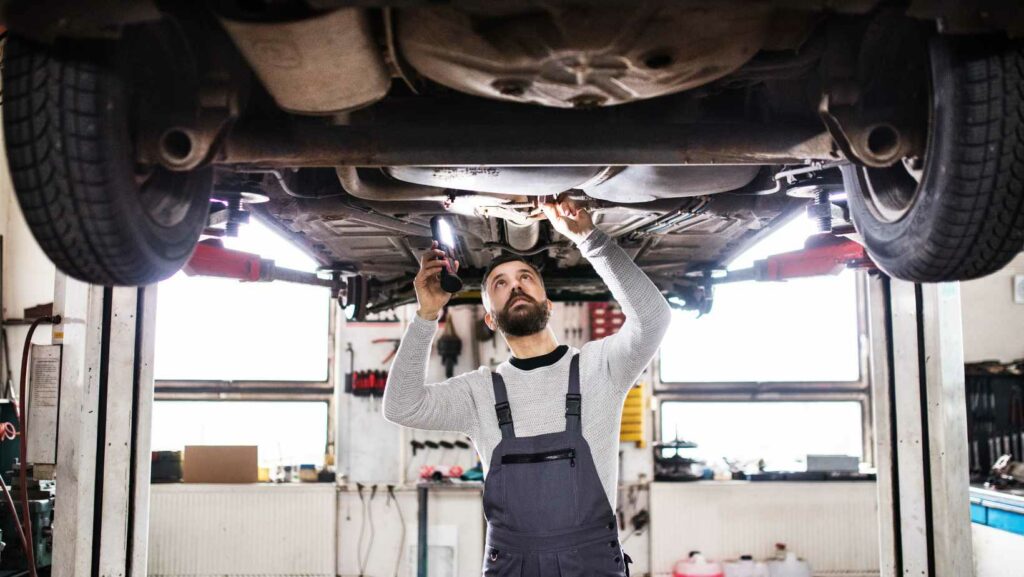
Daily pre-trip inspections. Commercial drivers are required to check brakes, tires, lights, and fluid levels before every single trip. It’s tedious. It’s also the single biggest reason most developing problems get caught before they become failures.
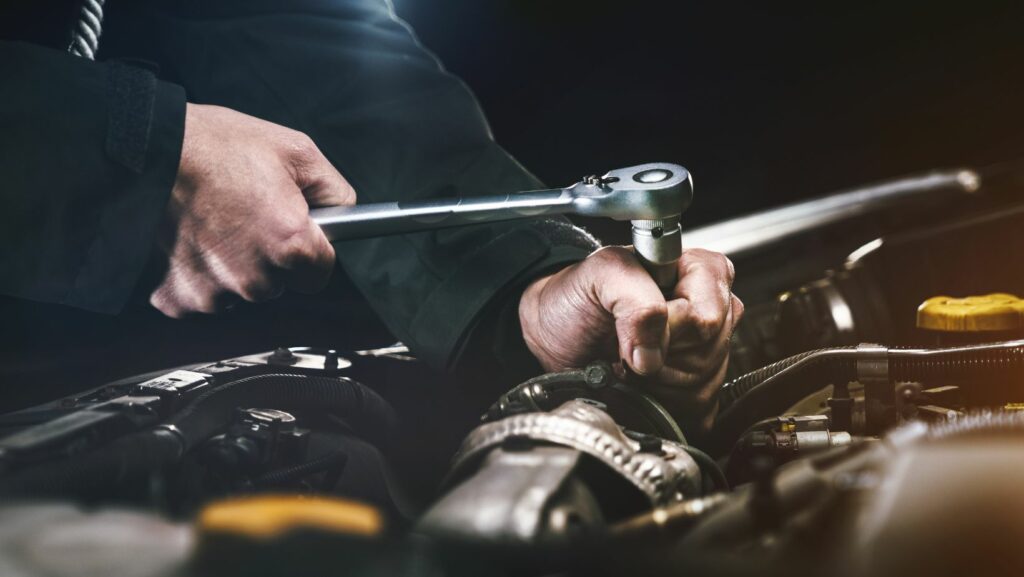
Sticking to the service schedule. Oil changes, brake inspections, tire rotations — following the manufacturer’s intervals turns wear into something predictable instead of something that sneaks up on you.
Fixing problems now, not later. A vibration, a warning light, a slow leak — dealing with it the day it shows up is almost always cheaper, and always safer, than waiting for it to strand someone on the shoulder.
Keeping real records. Maintenance logs matter because patterns matter. A part that keeps failing early is trying to tell you something, but only if someone’s actually writing it down.
When It All Goes Wrong Anyway
Even fleets that do everything right can still end up with a failure. When that failure involves a truck, the results tend to be serious — there’s simply more mass and momentum involved than in an ordinary car accident.
Figuring out what actually caused a crash like this isn’t always obvious from the outside. Was it a maintenance failure? A manufacturing defect? A trucking company that skipped inspections to stay on schedule? Answering that usually means digging into inspection records, maintenance logs, and driver reports that aren’t public information — which is where legal help tends to come in, sorting through paperwork most people wouldn’t know how to request in the first place.
The Bottom Line
Truck maintenance isn’t just about keeping a vehicle running longer. It’s a public safety issue, plain and simple. Worn brakes, bald tires, and a dashboard full of ignored warning lights don’t just risk a breakdown — they risk lives, including the lives of people who have nothing to do with the truck itself.
You don’t have to drive one for a living to have a stake in this. Every commuter sharing a highway with an 18-wheeler is trusting that somebody, somewhere, did the unglamorous work of checking the brakes, rotating the tires, and fixing the small stuff before it became the big stuff.