
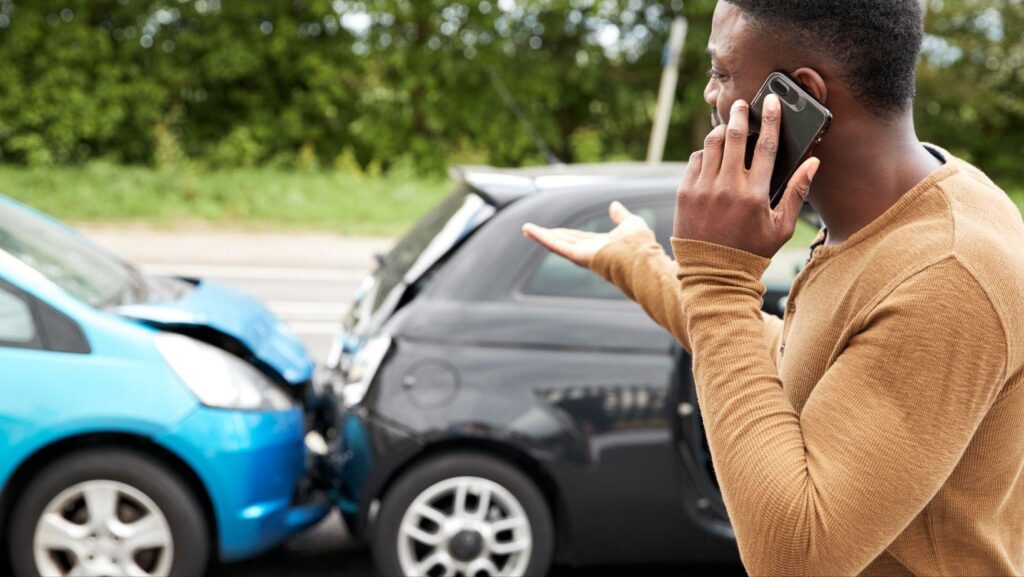
You pull into your driveway, walk around your car, and there it is: a dent, a scrape, a cracked taillight that definitely wasn’t there yesterday. No witnesses. No note under the wiper. No idea what happened. It’s more common than you’d think, and it’s exactly the kind of puzzle a good mechanic is trained to untangle.
Mechanics read damage almost like detectives read a crime scene. Paint transfer, the angle of impact, where exactly the dent sits — all of it adds up to a surprisingly detailed story about what hit your car and how fast it was moving. That kind of detail matters most when the other driver never stuck around, which is often when a hit and run attorney ends up part of the conversation. Here’s what mechanics actually look for when they’re piecing it together.
Why Mechanics Can “Read” a Crash Without Seeing It
A mechanic can often reconstruct the basics of a collision just by studying the damage pattern, no witness required. Every crash leaves physical evidence behind: the height of the impact, which way the scrape runs, what got left on your paint. Put those pieces together and you usually get a fairly specific answer.
This isn’t just a neat trick, either. If you’re filing an insurance claim, or trying to track down whoever hit you, this evidence can be the difference between a resolved case and a dead end. Hit-and-run crashes aren’t rare, either — NHTSA data puts the number of hit-and-run fatalities in the thousands every year, and that’s before counting the far larger number of property-damage-only cases that never make the headlines.
The First Clue: Paint Transfer
Paint transfer is usually the quickest way to figure out what your car ran into. When two vehicles make contact, a thin layer of paint from one often smears onto the other, and that smear sticks around longer than you’d expect.
What the Color Tells You
Find a streak of paint that doesn’t match your car, and a mechanic can often narrow down the make — sometimes even the model year — of the other vehicle. Auto body shops keep reference databases of manufacturer paint codes, so a particular shade of blue or gray can be cross-checked against known factory colors.
What the Texture Tells You
- Smooth, glossy transfer generally means contact with another car’s painted body panel.
- Rough, matte residue usually points to a bumper made of unpainted plastic or rubber.
- Metallic flecks suggest something bare metal was involved, like a trailer hitch or a guardrail.
Impact Height: The Clue Most People Miss
Where the damage sits on your car tells a mechanic a lot about what hit it. A dent at bumper height from a sedan looks nothing like one caused by a pickup truck or SUV, and that difference is usually easy to spot once you know what to look for.
A scrape sitting around 18 to 20 inches off the ground, for instance, typically points to a passenger car. Something closer to 28 or 30 inches usually means a taller vehicle — a truck or SUV with a raised front end.
As one shop owner put it: “Tell me where the damage starts and stops, and I can usually tell you what hit you.”
Directional Scratches and Crumple Patterns
Which way a scratch runs — and how the metal crumpled — reveals the angle and force behind the impact. It’s one of the more reliable ways to figure out whether you got sideswiped, backed into, or hit head-on.
Reading the Direction
- Horizontal scratches usually mean a sideswipe, or a car backing out of a nearby space.
- Diagonal creases often point to an angled hit, common in tight parking lots.
- Vertical compression suggests a straight-on, low-speed bump — the kind you get at a stop sign.
Reading the Force
Deep crumples with buckled metal generally mean higher speed or a heavier vehicle was involved. Light surface scuffs with no real structural give are more consistent with a slow parking lot tap.
Debris Left Behind
Broken plastic fragments, headlight shards, and bits of trim are often the single most useful clue a mechanic finds. Unlike paint, these pieces can sometimes be matched to an exact make and model using parts catalogs.
A shard of amber turn-signal housing, for example, can often be traced to a specific vehicle family, since manufacturers tend to reuse the same lens shapes and mounting clips across several model years.
Undercarriage and Suspension Damage
Not all damage shows up where you can see it. A mechanic will usually check underneath the car too, since a lot of impact evidence hides there.
A few things worth watching for:
- A bent tie rod or control arm, which usually means the hit was harder than the exterior damage suggests.
- Fluid leaking near the point of impact — a possible sign of a punctured radiator or cracked oil pan.
- Uneven tire wear that shows up suddenly after the damage was found, which can point to a misaligned suspension.
What To Do When You Find Unexplained Damage
Don’t touch or clean the area until you’ve documented it. Take photos from a few different angles, note where and when you found the damage, and check for nearby surveillance cameras if it happened in a parking lot or along a street.
From there, a trusted mechanic can help turn what they find into a written estimate or damage report — something you’ll want on hand if you decide to file a claim or go after whoever’s responsible. If you’re not sure where to start, our collision damage inspection services page walks through what that process typically looks like.
Putting It All Together
Unexplained damage doesn’t have to stay a mystery for long. Between paint transfer, impact height, scratch direction, leftover debris, and a quick look underneath, a skilled mechanic can usually piece together a pretty accurate picture of what happened — even if nobody actually saw it.
So if you find a new dent or scrape you can’t explain, resist the urge to fix it right away. Get it to a shop first, let someone who knows what they’re looking at take a pass, and make sure you’ve got the documentation squared away before you decide what to do next.