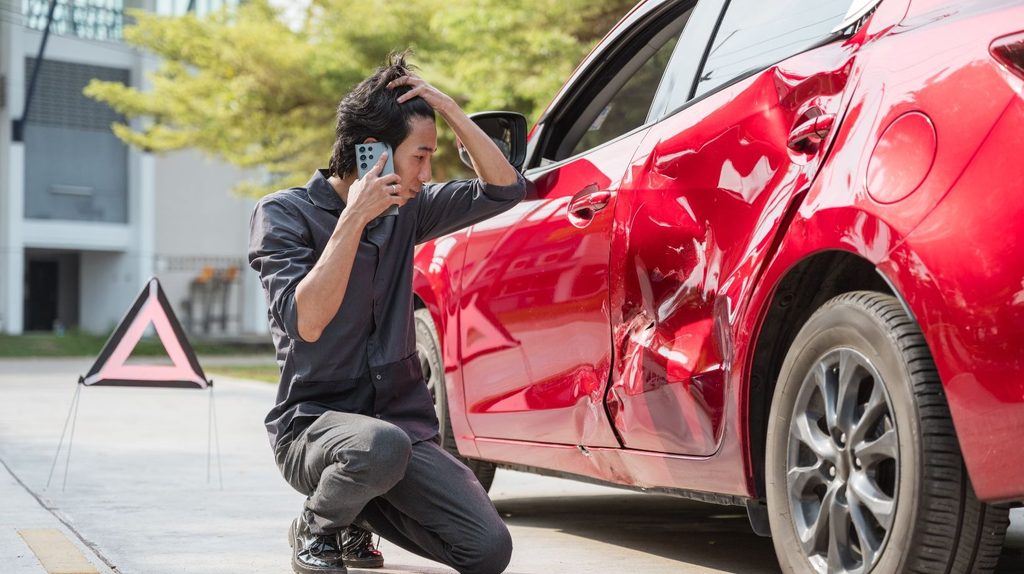
After a car accident, most drivers focus on checking for injuries, contacting the police, and getting their vehicles off the road. Taking photographs of the damage might seem like a minor task, especially when the accident appears straightforward.
However, vehicle damage can provide useful information about how a collision occurred. A dented bumper, broken headlight, or damaged side panel can help show where contact happened and how the vehicles interacted.
For drivers dealing with car accident vehicle damage, clear photographs can support insurance claims, repair estimates, and investigations into disputed fault.
Understanding what these photos reveal, and what they cannot prove, helps drivers document a collision more effectively.
What Vehicle Damage Can Reveal About a Collision
The location and pattern of damage can provide clues about the point of impact, the direction of contact, and how the vehicles moved during a crash.
For example, damage concentrated along the side of a vehicle might be consistent with a sideswipe or an angled collision. A crushed rear bumper could indicate contact from behind. Scrapes extending across multiple panels might suggest that two vehicles remained in contact while moving.
These observations can help investigators compare physical evidence with statements from the drivers.
However, damage patterns do not automatically establish which driver caused the accident. Vehicle design, differences in vehicle height, and movement during impact can affect the damage left behind.
When conflicting accounts make responsibility unclear, a car accident lawyer can review photographs alongside police reports, witness statements, and other evidence to evaluate how the collision occurred.
The value of vehicle photographs comes from preserving physical details before repairs, towing, or additional damage change the vehicle’s condition.
Which Photos Should Drivers Take After an Accident?
A few close-up pictures of a damaged bumper rarely tell the entire story. A useful collection includes images showing the vehicle’s overall condition, individual damage areas, and the surrounding accident scene.
If the location is safe and injuries do not prevent it, drivers should consider taking the following photographs:
- Full vehicle views: Photograph all four sides of each vehicle, including areas without visible damage.
- Close-ups of damage: Capture dents, cracks, broken lights, scratches, and displaced body panels.
- Multiple angles: Take pictures from different positions to show the depth and location of damaged areas.
- Vehicle positions: Document where the vehicles stopped before they are moved, when it is safe to do so.
- Roadway conditions: Include lane markings, traffic signals, intersections, skid marks, and visible debris.
- License plates: Photograph identifying information when practical.
- Detached components: Capture broken mirrors, bumper pieces, trim, or other parts displaced during the collision.
Drivers should never enter active traffic or remain in an unsafe location to capture photographs. Moving vehicles out of danger and obtaining medical assistance take priority.
It is also helpful to preserve the original image files rather than relying entirely on screenshots or compressed copies sent through messaging applications.
Why Different Camera Angles Matter
A single photograph can make vehicle damage appear more or less significant than it actually is.
Lighting, camera distance, and perspective influence how dents and scratches appear. A straight-on image might show a cracked bumper without revealing that the bumper has shifted away from the body.
A photograph taken from the side could make that displacement easier to see.
Wide shots also establish context. A close-up of a damaged door identifies the affected area, but a photograph showing the entire vehicle helps someone understand where that damage sits in relation to the wheels, front bumper, and passenger compartment.
For repair technicians, multiple angles provide a starting point for examining affected components. For insurance adjusters, those same photographs help document the vehicle’s visible condition following the reported collision.
Neither should rely exclusively on photographs when the damage requires a physical inspection.
How Damage Photos Support Collision Repair Assessments
Vehicle photographs serve a practical purpose beyond documenting the accident itself.
Body shops use visible damage to begin identifying repair needs. Cracked headlights, bent fenders, damaged wheels, and misaligned panels can indicate which areas deserve closer inspection.
Some damage remains hidden behind exterior components.
For example, a vehicle with a damaged front bumper might also have problems involving bumper reinforcement, mounting brackets, cooling components, or sensors. These conditions cannot always be confirmed from photographs.
Technicians may need to remove damaged components, inspect underlying structures, and perform diagnostic scans to determine the full repair requirements.
Photographs taken immediately after the collision help establish the visible condition of the vehicle before repairs begin. Additional photographs taken during disassembly can document damage discovered beneath exterior panels.
Together with inspection findings and repair estimates, these records provide a more complete account of what was damaged.
Why Repair Documentation Should Be Preserved
Drivers should keep copies of their original photographs, estimates, invoices, and relevant inspection reports.
This documentation can help distinguish damage associated with the reported collision from unrelated wear or preexisting problems.
If an insurer questions the scope of a repair, photographs and written findings can help explain why certain components required attention.
Repair records also provide useful information if additional collision-related problems are discovered after the initial inspection.
Can Photographs Help When Drivers Disagree About Fault?
Conflicting driver statements create challenges for insurance investigations.
One driver might report that another vehicle crossed into their lane. The other might claim that the first driver attempted an unsafe lane change.
Photographs showing damage along the sides of both vehicles could help investigators examine whether the physical contact is consistent with either account.
However, the damage itself cannot establish which vehicle crossed a lane marking or whether a driver failed to yield.
Investigators need additional information, including:
- Statements from drivers and independent witnesses
- Available dashcam or surveillance footage
- Police observations and collision reports
- Roadway markings, debris, and physical evidence
- Vehicle information relevant to the crash, when available
In complex cases, an accident reconstruction specialist can examine vehicle damage alongside other evidence to assess the sequence of events.
The goal is to determine whether the physical evidence supports, contradicts, or leaves unanswered the accounts provided by the drivers.
Why Visible Vehicle Damage Does Not Tell the Whole Story
One of the biggest mistakes after a collision is assuming that the amount of visible damage establishes the speed of impact or the seriousness of a person’s injuries.
Modern vehicles are designed with structures that absorb and manage collision energy. Differences in vehicle weight, construction, impact angle, and safety systems influence how damage develops.
Two vehicles involved in the same collision can show noticeably different damage.
Similarly, a bumper that appears relatively intact does not guarantee that nearby components are undamaged.
The National Highway Traffic Safety Administration studies collision outcomes using vehicle damage, crash characteristics, occupant information, and medical evidence rather than treating exterior damage as a complete explanation of injury severity.
A photograph can show a crushed door or damaged bumper. It cannot independently establish an occupant’s medical condition, the exact speed of either vehicle, or the full forces involved in the collision.
These distinctions matter when evaluating both repair costs and injury-related claims.
What Happens When the Vehicle Is Repaired or Declared a Total Loss?
After a collision, vehicles are frequently moved to repair facilities, storage lots, or salvage locations.
Once repairs begin, the original condition of damaged components can change. Panels might be removed, damaged parts replaced, and broken pieces discarded.
If the vehicle is declared a total loss, it might eventually be transferred to a salvage facility or sold.
Photographs taken before these changes help preserve a record of the vehicle’s appearance immediately after the accident.
When responsibility is disputed or a serious injury claim is involved, a physical inspection might also be important. Photographs do not preserve measurements, underlying structural conditions, or electronic information that could require specialized examination.
Drivers facing those circumstances should consider obtaining appropriate guidance before authorizing disposal or destruction of potentially important evidence.
The purpose is not to delay necessary transportation arrangements. It is to avoid losing evidence that could become relevant to the investigation.
How to Organize Accident Photographs for Future Reference
Taking photographs is only useful if the images remain accessible when they are needed.
Drivers can establish a simple system for preserving accident documentation.
Start by creating a dedicated folder for the collision. Store original photographs together with the police report, insurance correspondence, towing paperwork, and repair records.
Avoid deleting photographs simply because they seem repetitive. Images captured seconds apart might show different angles or details that become important later.
It also helps to:
- Back up original files to a secure cloud account or external storage device.
- Keep photographs from the accident scene separate from those taken during repairs.
- Preserve original timestamps and file information when possible.
- Record the date and location of the collision in accompanying notes.
- Save updated photographs if additional damage becomes visible.
Drivers should avoid editing original photographs to emphasize damage, remove objects, or change the surrounding scene. If an image needs annotation for discussion, retain the untouched original.
Keeping an organized record makes it easier to share relevant information with repair shops, insurers, and professionals reviewing the collision.
Clear Photos Create a Better Record of What Happened
Vehicle damage photographs cannot explain every detail of a collision, but they preserve evidence that could otherwise disappear.
They help show where vehicles made contact, document visible damage before repairs, and provide context for comparing different accounts of an accident.
For drivers, the process does not require specialized equipment. A smartphone, several camera angles, and a few minutes in a safe location can produce a useful record.
When combined with repair findings, witness statements, and other available evidence, those photographs can help create a clearer picture of what happened and what needs to be addressed afterward.