
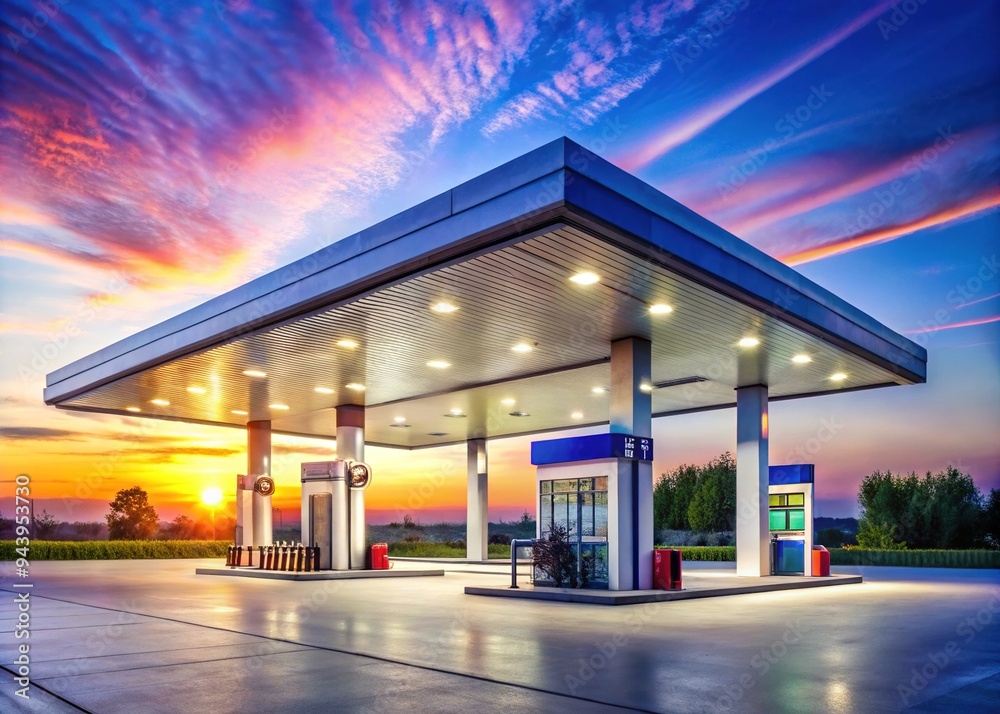
The fuel retail industry has changed dramatically over the past decade, evolving from simple refueling stops to dynamic consumer destinations. As competition increases and customer expectations rise, gas stations are innovating to stay relevant and profitable. One of the most powerful tools driving this transformation is digital display technology.
Whether it’s enhancing customer engagement, improving operational efficiency, or driving in-store sales, digital displays are becoming a core component of modern gas station retail. In this article, we explore the top digital display trends that are shaping the future of the industry and why forward-thinking fuel retailers are investing in them.
Why Digital Displays Matter in Gas Station Retail
Customers today expect seamless, personalized experiences wherever they go — including at the pump. Static signs and printed posters are no longer enough to capture attention or communicate timely offers. Digital displays, with their ability to deliver real-time, dynamic content, are transforming how gas stations interact with customers across the entire retail environment.
A central example of this trend is gas station digital signage — digital display solutions designed specifically for fuel stations. These systems allow retailers to broadcast promotions, safety messaging, convenience store deals, fuel pricing, and personalized content, all controlled remotely with ease.
Now, let’s look at the key trends driving this change.
1. Real-Time Pricing and Promotional Displays
One of the biggest digital display innovations in gas station retail is the ability to update pricing in real time. Fuel prices fluctuate frequently due to market conditions, regional competition, and supply factors. Digital displays can instantly reflect these changes to:
- Ensure pricing accuracy at the pump
- Communicate time-sensitive offers
- Highlight promotions inside convenience stores
Cloud-connected screens save time and reduce costly errors compared to manually updated static signs. They also allow gas stations to stay competitive and transparent in a market where pricing perception matters.
2. Integrated Loyalty and Personalized Content
Today’s customers want more than generic ads — they want personalization. Digital displays powered by advanced software can integrate with loyalty programs and point-of-sale systems to offer tailored messaging that increases engagement.
Examples of personalized digital display content include:
- Reward benefits tied to customer accounts
- Suggested convenience store items based on purchase history
- Targeted promotions during peak visit times
Personalization boosts customer satisfaction and encourages repeat visits, making loyalty integration a standout trend for the future.
3. Interactive Touch Screens and Wayfinding
Interactive displays are gaining traction in gas station retail, particularly in larger convenience stores and travel plazas. Touch screens allow customers to:
- Browse available products
- Check loyalty balances
- Find directions or local information
- Place orders for pickup at deli counters
These interactive experiences make customers feel in control and streamline the ordering process, ultimately enhancing satisfaction and convenience.

4. Dynamic In-Store Menu Boards
Smart menu boards are no longer confined to quick-service restaurants. Gas station convenience stores use digital displays to showcase food and beverage offerings, daily specials, and combo deals just like traditional restaurants do.
Instead of static printed boards that are costly to replace, dynamic menu boards allow retailers to:
- Feature limited-time specials
- Promote high-margin items with motion graphics
- Update content based on stock levels or time of day
This trend aligns with modern retail best practices and drives incremental sales by influencing customer choices.
5. Safety and Compliance Messaging
Safety is always a top priority at gas stations, where vehicles, fuel, and foot traffic coexist. Digital displays offer a flexible platform to broadcast safety announcements, compliance information, and emergency alerts without disrupting the shopping experience.
Common safety content includes:
- Proper fueling reminders
- Emergency procedures
- Weather alerts and travel tips
- Regulatory compliance notices
Because screen placement can be strategic — such as at entrances and forecourts — these messages reach a broad audience quickly and effectively.
6. High-Impact Visual Storytelling
Static signs have limitations when it comes to capturing attention. Digital displays, by contrast, combine motion, color contrast, and strategic placement to create high-impact visual storytelling. This trend is especially effective for:
- Highlighting seasonal promotions
- Showcasing new product lines
- Communicating brand values
- Supporting community engagement campaigns
When visual content is engaging and well-designed, customers spend more time processing the message — which often translates to increased sales and stronger brand recognition.
7. Centralized and Cloud-Managed Content Systems
Modern digital signage platforms are increasingly cloud-based, allowing retailers to manage content across multiple locations from a centralized dashboard. For gas station networks, this means:
- Consistent messaging across all sites
- Scheduled promotions with automated roll-outs
- Rapid response to market changes
- Lower operational costs compared to manual updates
Cloud-managed digital signage increases operational efficiency and ensures messaging remains relevant and up to date without excessive labor.
8. Data Analytics and Performance Optimization
Data is the currency of modern retail. Digital displays generate valuable performance metrics such as:
- Impressions and engagement rates
- Time-of-day interactions
- Sales lift from specific promotions
- Screen performance and uptime analytics
This data empowers gas station operators to refine their content strategies, optimize promotional timing, and make better decisions based on measurable results.
9. Sustainability and Reduced Waste
As retailers seek greener operations, digital displays help reduce reliance on printed materials — which lowers paper waste, reduces printing costs, and supports sustainability initiatives. Signage that is updated digitally also eliminates the need for frequent physical replacements, aligning retail tech with environmental goals.
10. Integrated Customer Experience Ecosystems
Finally, the future of gas station retail involves interconnected technology ecosystems. Digital displays are part of broader solutions that may include:
- Mobile app integration
- Contactless payments
- Loyalty apps and digital wallets
- AI-driven product recommendations
When digital signage is integrated with other customer touchpoints, gas stations create a more cohesive, seamless retail experience that meets modern expectations.
Conclusion
The future of gas station retail is digital, dynamic, and data-driven. From real-time pricing and personalized messaging to interactive experiences and cloud-managed platforms, digital display trends are fundamentally reshaping how fuel retailers attract, engage, and retain customers.
As competition continues to evolve and customer expectations rise, adopting these digital display innovations — including gas station digital signage — isn’t just forward‐thinking. It’s a competitive necessity.
Gas station operators who embrace these trends will enjoy greater operational efficiency, higher customer loyalty, and stronger sales performance — while providing a modern retail experience that customers value and trust.