Your vehicle’s braking system is one of the most essential safety features, enabling you to slow down or stop reliably in all driving conditions. At the core of this system are the brake cylinders, specifically the master and slave cylinders, which convert the mechanical force applied to the brake or clutch pedal into hydraulic pressure. This pressure is what activates the brakes, allowing your vehicle to stop safely and efficiently.
High-performance muscle cars, such as the 2004 Pontiac GTO Clutch Master Cylinder, depend on these precise components to handle aggressive driving and provide consistent stopping power.
What Brake Cylinders Do
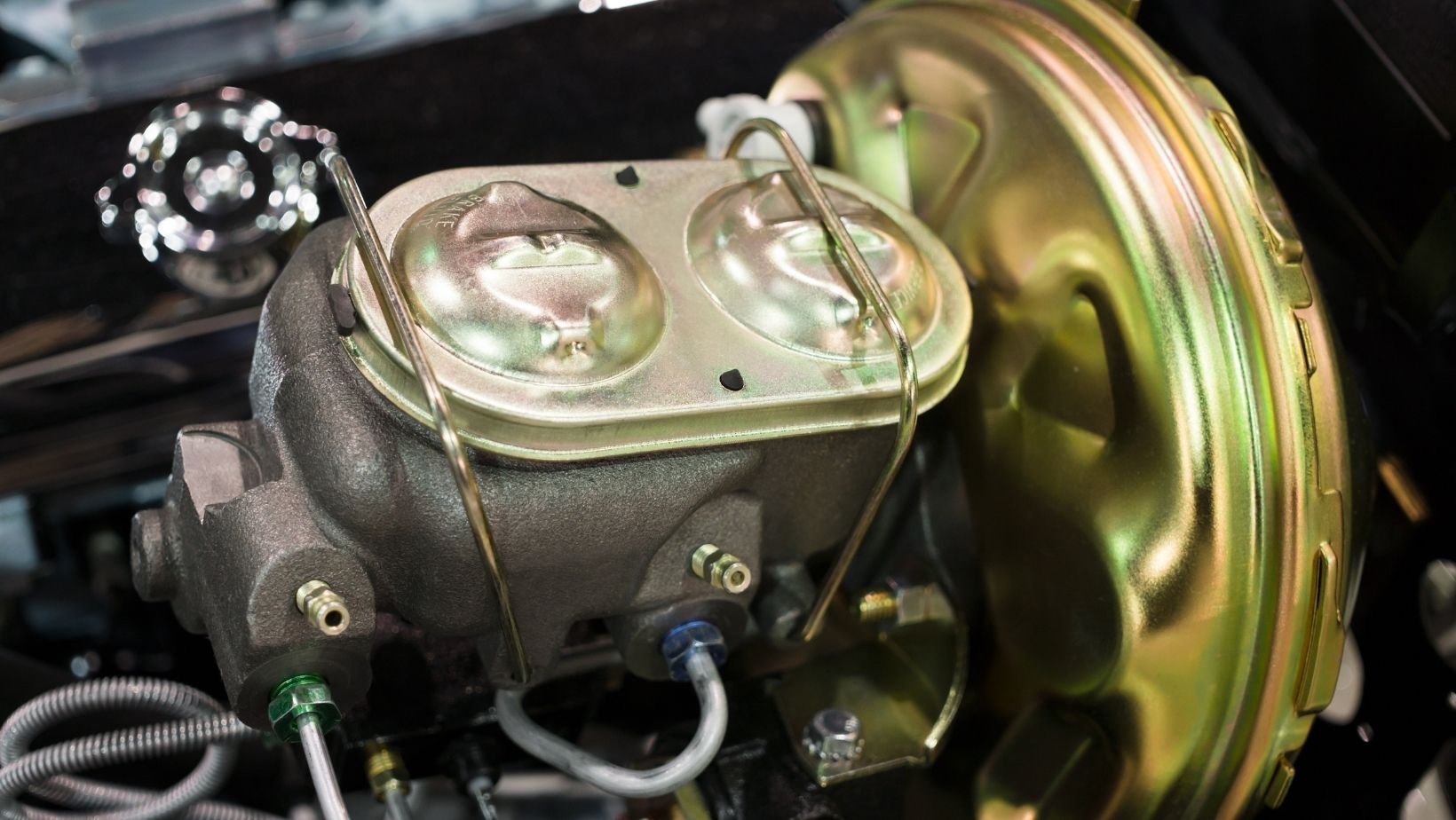
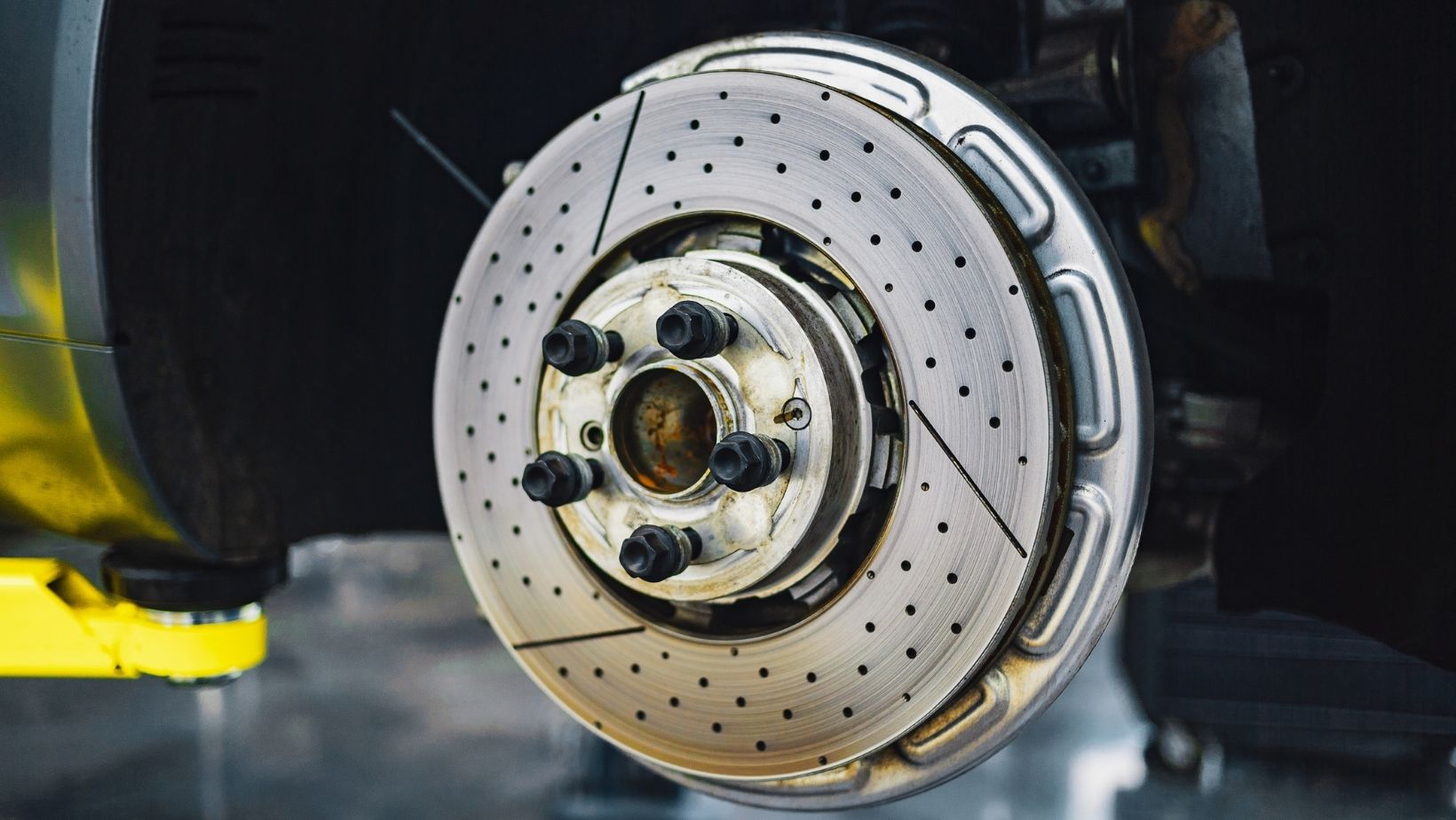
Brake cylinders serve as hydraulic pumps within your vehicle’s brake system. When you press the brake pedal, the master cylinder creates hydraulic pressure by forcing brake fluid through brake lines. This pressure travels to slave cylinders located near each wheel, which push pistons that press brake pads against rotors or brake shoes against drums, slowing or stopping your vehicle.
The master cylinder contains pistons and a fluid reservoir. Depressing the brake pedal moves the pistons inside the master cylinder, pushing brake fluid into the system. The slave cylinders respond to this pressure, engaging the braking components.
Vehicles like the 2007 Ford Focus Clutch Master Cylinder rely on this system daily, requiring reliable and consistent hydraulic performance for everyday safety.
How They Keep Braking Safe
Brake cylinders are essential for maintaining:
Consistent Hydraulic Pressure
Brake cylinders ensure steady hydraulic pressure, translating your pedal input into effective braking force. Loss of pressure from leaks or worn seals can reduce brake performance and increase stopping distances.
Balanced Brake Application
They distribute hydraulic pressure evenly across all wheels, preventing your vehicle from pulling to one side during braking. This balance is crucial for maintaining control, especially on wet or uneven surfaces.
Responsive Pedal Feel
Brake cylinders provide a firm and predictable brake pedal response, allowing drivers to modulate braking power smoothly and accurately.
Safety Features
Many modern brake systems incorporate dual-circuit master cylinders, which provide partial braking capability if one circuit fails. This redundancy enhances overall safety.
Durability and Heat Resistance
Brake cylinders are designed to withstand heat and pressure generated during frequent braking. For instance, the 2005 Honda Accord Clutch Master Cylinder is engineered to endure varied driving conditions while maintaining reliable performance.
Maintenance Tips to Keep Brake Cylinders in Top Shape
- Check Brake Fluid Levels: Regularly monitor fluid levels and maintain them according to manufacturer specifications.
- Inspect for Leaks: Look for signs of fluid leaks around cylinders and brake lines.
- Replace Worn Seals and Cylinders: Timely replacement prevents brake failure and maintains hydraulic pressure.
- Bleed the Brake System: Remove air bubbles to keep the brake pedal firm and responsive.
Routine maintenance helps vehicles like the Pontiac GTO, Ford Focus, and Honda Accord maintain reliable and safe braking performance.
Conclusion
Though often overlooked, brake cylinders are vital to your vehicle’s braking performance and safety. Whether you drive a powerful Pontiac GTO, a reliable Ford Focus, or a popular Honda Accord, keeping these components in excellent condition ensures safe stops every time.
Autozone offers high-quality clutch master cylinders and brake parts for a wide range of makes and models. Trust Autozone to help you maintain your braking system’s safety and reliability.