
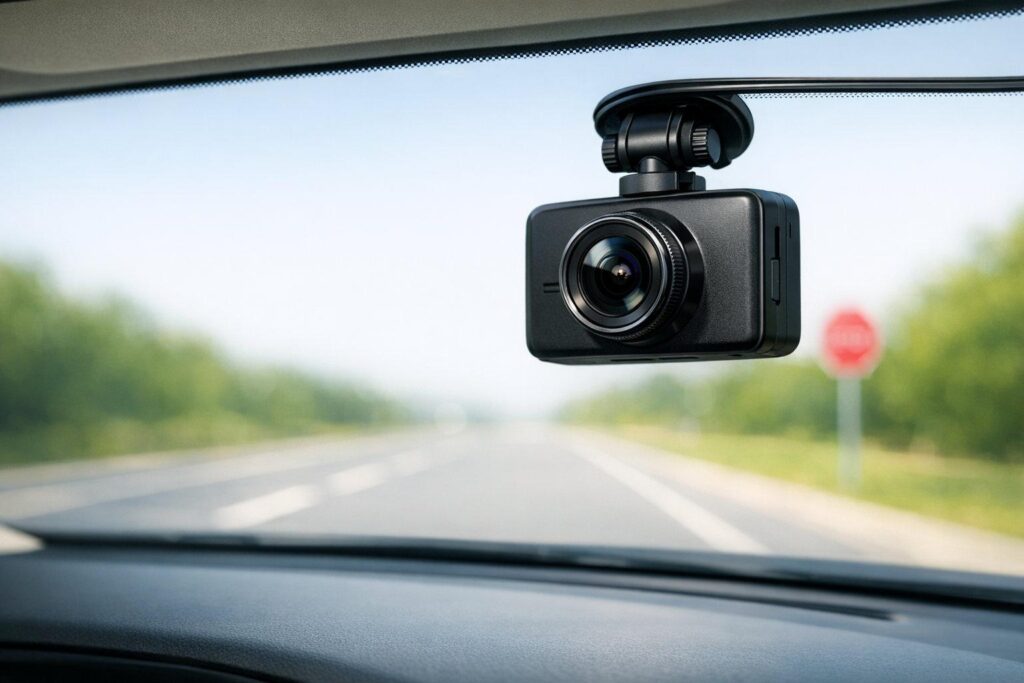
Dash cameras are an important tool for drivers seeking to improve on-road safety and facilitate incident documentation. Their ability to capture video footage can clarify events and assist in resolving disputes following accidents. Reliable video evidence from dash cameras supports both everyday driving and thorough damage assessment.
As more vehicle owners look to protect themselves against uncertainty, Pioneer Electronics technology is quickly gaining popularity. These devices offer a straightforward solution for documenting driving incidents, recording the sequence of events and collecting details not always preserved in memory. Installing a dash camera can also have implications for understanding traffic disputes and providing support in damage claims. Incorporating video evidence into routine vehicle use means you have access to a video record if an incident occurs on the road.
Core features of dash camera systems explained
Most dash camera units consist of a camera, storage medium such as a microSD card, and a constant power source. The primary recording mechanism uses loop recording, which means the device continuously overwrites the oldest footage when storage fills up. This helps ensure recent events are available without manual intervention.
Timestamps are embedded directly onto the video files, helping confirm when an incident happened. Many dash cameras include event detection, using motion sensors or accelerometers to lock footage when unusual movement or an impact is detected. This helps ensure that significant moments are not erased by routine overwriting.
There are both front-only dash cameras and dual setups featuring front and rear perspectives. A front-only system captures road conditions and oncoming traffic, while a dual system extends documentation to events happening behind your vehicle. Deciding which system to install depends on your documentation needs and traffic context.
Impacts on safety and driver awareness on the road
Recorded footage can be a useful tool to clarify what transpired during near-miss events or collisions. Access to this record may limit disagreements about responsibility in the aftermath. It can help speed up claims or legal processes with concrete evidence.
The presence of a dash camera can also influence driver behavior. Some drivers report increased attentiveness, knowing their actions are being recorded, while others risk distraction if they frequently check the display during travel. It is important to remain focused on the road and not treat the dash camera as more than a passive witness.
For vehicle owners, audio recording raises privacy and legal concerns, and sharing video footage should follow applicable local laws. External sounds often remain the primary documentation source in many situations. In-car audio systems, such as those from Pioneer Audio, are not central to dash camera documentation.
Supporting vehicle damage assessment with video footage
Using dash cameras allows you to establish a sequence of events and pinpoint the site of impact in a collision. This documentation is valued by insurance adjusters and workshop professionals when reviewing claims and estimating repairs.
Dash camera footage complements traditional damage assessment tools like photographs and in-person inspections. By providing the lead-up to an incident, video can help explain how and why certain damage patterns emerged. Limitations exist, since glare, camera angles, or lighting can obscure details.
Some dash cameras do not record precise vehicle speed or additional driving context unless paired with GPS modules. Even with GPS, recorded speed may not match vehicle instruments exactly. Footage alone may not show every contributing factor, such as sudden mechanical failure.
Installation factors and reliable maintenance practices
Most dash cameras can be powered through a vehicle’s 12V outlet or hardwired directly to the fuse box. While a plug-in setup is quick to install and remove, hardwiring usually offers a cleaner look and supports features like parking mode. Improper hardwiring can lead to battery drain, highlighting the need for careful installation.
Proper cable routing is important for safety and long-term performance. Cables should avoid interfering with airbags or other safety systems, and should be tucked to prevent rattles or obstructions. Routine maintenance such as regularly formatting the memory card and cleaning the lens influences the reliability of a dash camera for car.
Warning signs like file corruption, unexplained shutdowns, or missing video clips should prompt troubleshooting. Heat exposure can affect electronics and storage media in some vehicles. Checking recordings periodically helps confirm that the system is functioning as expected.