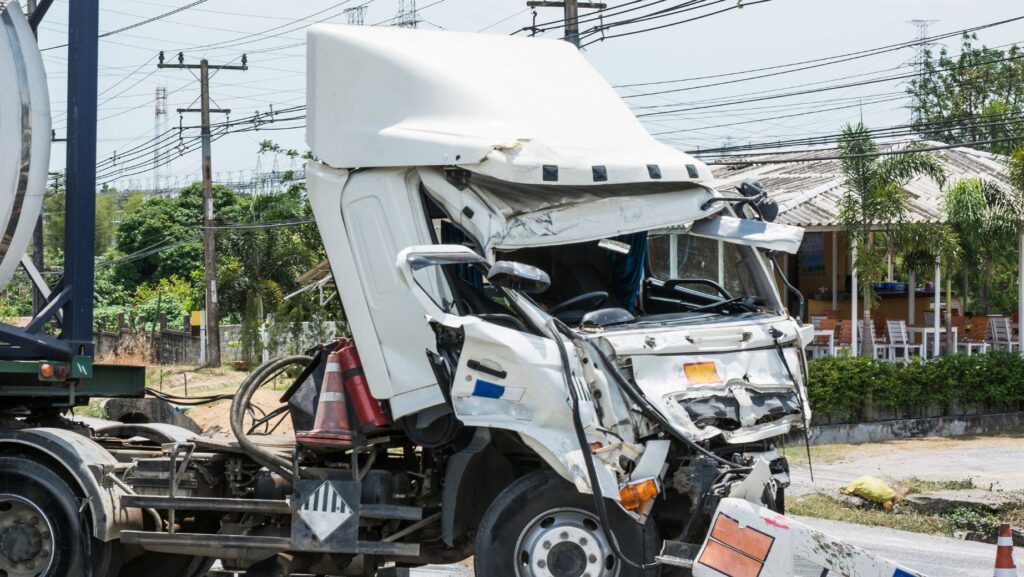

Legal action E15 fuel injuries ramechynic must start quickly after a failure. A driver or owner discovers harm to vehicle parts, engines, or safety systems. They document damage, get repair estimates, and seek medical help for any injuries. They then contact a lawyer who knows product liability and fuel claims. The lawyer explains rights, next steps, and time limits for claims.
Key Takeaways
- Legal action for E15 fuel injuries should begin promptly to preserve evidence and meet state deadlines.
- E15 fuel’s higher ethanol content can cause vehicle damage such as corroded fuel lines and engine failures leading to accidents and injuries.
- Affected drivers should document vehicle damage, keep fuel receipts, and seek medical help to support a product liability or negligence claim.
- Potential defendants include vehicle manufacturers, fuel system part makers, and fuel retailers who may have misrepresented or mishandled E15 fuel.
- Experts and detailed documentation of damages, medical costs, and lost wages are essential to building a strong case for fair compensation.
- An experienced lawyer can guide claimants through complex claims, identifying responsible parties and ensuring timely legal filings.
How E15 Fuel Can Cause Vehicle Damage And Personal Injury
Automakers and engine makers built many engines for E10, not E15. E15 fuel contains more ethanol. Ethanol can corrode fuel lines, seals, and tank coatings. It can swell rubber parts and dissolve some plastics. These failures can cause leaks, fires, and sudden engine stalls. A stalled vehicle can cause a crash. A leak can cause a fire that burns people and property.
They notice early signs such as check-engine lights, rough idling, and fuel smell. They may see visible fuel stains inside the trunk or under the vehicle. Mechanics may find damaged injectors, valves, or fuel pumps during inspection. Repair shops often document parts that show ethanol damage. Photos, repair invoices, and mechanic notes create a clear record.
They sometimes suffer burns, cuts, or blunt trauma when a fire or crash happens. They sometimes report breathing problems after fumes. They sometimes need surgery for burns or long rehab for broken bones. Medical records and doctor notes show injury cause and severity. These records tie the injury to the vehicle event.
They should preserve the vehicle and parts. They should avoid repairing or selling the car before the lawyer reviews it. They should keep fuel samples when possible. They should record when and where they bought fuel. These acts help link E15 exposure to the damage and injury. Early action preserves proof and strengthens any later legal action E15 fuel injuries ramechynic claim.
Legal Options, Possible Defendants, And Critical Deadlines
They can file a product liability claim when a vehicle or part fails due to E15 fuel. They can file a negligence claim if a fuel seller misrepresented fuel content. They can file a strict liability claim against a manufacturer for a defective design or warning. They can file breach of warranty claims when a car maker gave an express or implied warranty.
Possible defendants include vehicle makers, fuel system part makers, fuel additive makers, and fuel distributors. They may also name pump operators who mislabeled fuel. They may add retailers who mixed fuels or sold wrong grades. They should let the lawyer identify responsible parties after document review.
State law sets time limits for claims. These deadlines vary by state and by claim type. They should not wait. Missing a deadline can bar recovery. The lawyer will track statutes of limitations, discovery rules, and notice requirements. They will file early when the law requires early notice to a manufacturer or seller.
They can seek compensation for medical costs, property damage, lost wages, pain, and reduced quality of life. They can seek punitive damages when a defendant acted grossly careless. The lawyer will calculate present and future losses. The lawyer will consider repair costs, diminished value, and total loss payouts from insurers.
They will receive demand letters that list the claim, injuries, and proof. They will face early defenses such as preexisting conditions or improper maintenance. They will face claims that the vehicle was misfueled by the owner. They will counter with fuel receipts, surveillance, and expert analysis.
Collecting Evidence, Working With Experts, And Calculating Damages
They collect clear photos of damage, vehicle parts, and the scene. They keep fuel receipts, repair bills, and tow records. They keep medical records, test results, and therapy notes. They preserve the vehicle and any damaged parts. They gather witness statements and any video from cameras near the pump or crash site.
They hire experts to test fuel samples and damaged parts. They hire mechanics to show how ethanol caused the damage. They hire accident reconstructionists to show how a stall led to a crash. They hire medical experts to link injuries to the event and forecast future care needs. Expert reports give objective proof and explain technical facts in plain terms for jurors.
They calculate repair costs from certified shops and use industry guides to show diminished value. They add rental, towing, and storage expenses. They add current medical bills and future care costs based on expert testimony. They add lost wages from employer records and projected future earnings lost due to disability. They add pain and suffering using state law factors and jury verdict patterns.
They document settlement demands and offers. They prepare for mediation and trials with organized evidence packets. They keep a clear chain of custody for every physical item and sample. They follow court rules for expert disclosure and depositions. They expect insurers and manufacturers to use their own experts. They then use cross-examination and clear exhibits to show why the claimant’s experts are more credible.
They act fast and document every step. Early proof and strong expert work improve the chance of recovery. A lawyer guides each step and files the correct claims within the legal time limits. This approach helps claimants pursue legal action E15 fuel injuries ramechynic and seek fair compensation.