ramechanic dronebros automatic electro steering offers automated yaw and roll control for hobby and industrial drones. The system uses sensors, motors, and firmware to keep flight stable. This guide explains what the system does, how its parts work, how to set it up, and how to fix common faults. The reader will get clear steps and practical checks they can use today.
Key Takeaways
- Ramechanic DroneBros automatic electro steering enhances drone flight stability by providing motor-driven yaw and roll control using sensors and firmware.
- The system integrates components like flight controllers, electro servos, IMUs, magnetometers, and GPS to maintain accurate heading and position.
- Proper setup requires firmware updates, sensor calibration, servo adjustment, and mode configuration to ensure reliable automatic steering.
- Common issues such as heading errors, oscillations, and servo jitter can be resolved through recalibration, gain adjustments, and verifying power and wiring.
- Effective troubleshooting involves systematic fault reproduction, checking firmware versions, wiring, power quality, and telemetry before seeking support.
- This automatic electro steering system reduces pilot workload and improves control during inspection, mapping, and cinematic drone flights.
What Automatic Electro Steering Means For DroneBros Ramechanic
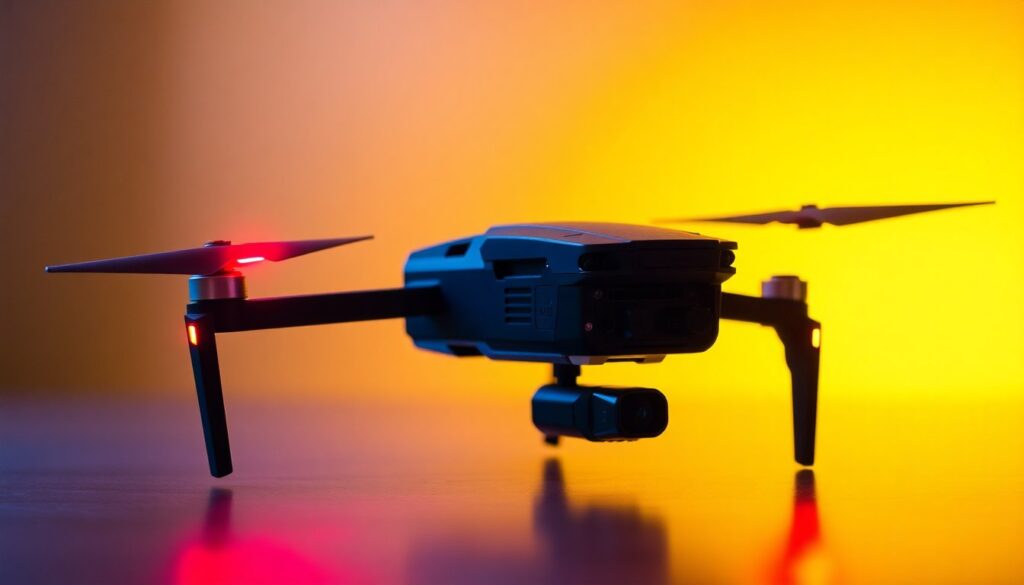
Ramechanic DroneBros automatic electro steering provides motor-driven control surfaces or gimbals to adjust heading and tilt. The system reads sensor data and sends commands to actuators. It reduces pilot workload and improves accuracy in wind or payload shifts. The system uses IMUs, magnetometers, and GPS for orientation and position. The firmware blends those inputs and issues smooth corrections. The pilot can switch between manual and automatic modes. The automatic mode keeps the drone on a declared track and holds heading during hover. Ramechanic DroneBros automatic electro steering suits inspection, mapping, and cinematic flight. Users will see fewer sudden yaw jumps and tighter path following. The system still needs proper setup and calibration before flight. The pilot must verify fail-safes and confirm the system returns control to the pilot on command.
Key Components And How They Interact
The main components include the flight controller, electro servos, sensors, power distribution, and firmware. The flight controller reads sensor values and runs the steering algorithm. The electro servos receive PWM or CAN commands and move control surfaces or gimbal motors. The IMU supplies angular rate and acceleration values. The magnetometer supplies heading. The GPS supplies position and groundspeed. The power distribution board supplies clean voltage to servos and controller. The firmware performs sensor fusion and computes corrective motion. The user interface sends mode and setpoint changes. The system logs data for postflight review. The components connect over standard protocols like PWM, S.BUS, or CAN. The operator must ensure wiring uses correct grounds and voltage ratings. The operator must use ferrite beads or filters if servo noise hits the magnetometer. The operator must secure connectors to prevent intermittent loss. The operator must verify that the firmware version matches hardware capabilities. Ramechanic DroneBros automatic electro steering requires component compatibility to function reliably.
Step-By-Step Setup And Calibration For Reliable Steering
The user will follow a clear sequence to set up the system. The user will power the drone on a bench with props removed. Step 1: Update firmware to the recommended Ramechanic DroneBros automatic electro steering release. Step 2: Connect the flight controller to ground station software. Step 3: Run sensor calibration for accelerometer and magnetometer. Step 4: Calibrate ESCs and electro servos per vendor instructions. Step 5: Set servo endpoints and trim in the ground station. Step 6: Configure flight modes so that automatic electro steering engages on a switch. Step 7: Set PID or rate limits to conservative values for first flights. Step 8: Run a hover test at safe altitude and observe heading stability. The operator will inspect telemetry for steady IMU readings and no magnetometer spikes. The operator will adjust gains if the drone oscillates or undercorrects. The operator will log a short flight and review corrections to ensure the system does not fight manual input. The operator will enable failsafe behaviors that cut power to servos or hand control back to the pilot if telemetry drops. These steps make Ramechanic DroneBros automatic electro steering reliable for routine use.
Common Problems And Practical Troubleshooting Tips
Problem: Erratic heading during hover. Cause: Magnetic interference or loose connector. Fix: Move metal objects away and secure connectors. Recalibrate the magnetometer. Problem: Oscillation after enabling automatic steering. Cause: Excessive gain or delayed servo response. Fix: Lower steering gains and increase servo rate. Problem: Servo jitter on power-up. Cause: PWM noise or low supply voltage. Fix: Add a capacitor on the power rail and use a higher current battery. Problem: No response from electro servos. Cause: Wrong wiring or firmware mismatch. Fix: Check signal pins, update firmware, and verify protocol settings. Problem: System drops to manual without warning. Cause: Telemetry loss or failsafe misconfiguration. Fix: Inspect telemetry antenna and review failsafe settings in the ground station. Problem: Compass drift over time. Cause: Nearby electronics or vibration. Fix: Isolate electronics, add damping mounts, and run compass calibration outdoors. Troubleshooting steps: reproduce the fault, isolate one variable, test after each change, and record telemetry. The technician will prefer minimal changes at each step. The technician will keep a checklist: firmware version, calibration state, wiring, power quality, and telemetry health. The technician will contact Ramechanic support with logs if the issue persists. Ramechanic DroneBros automatic electro steering functions well after simple checks in most cases.