
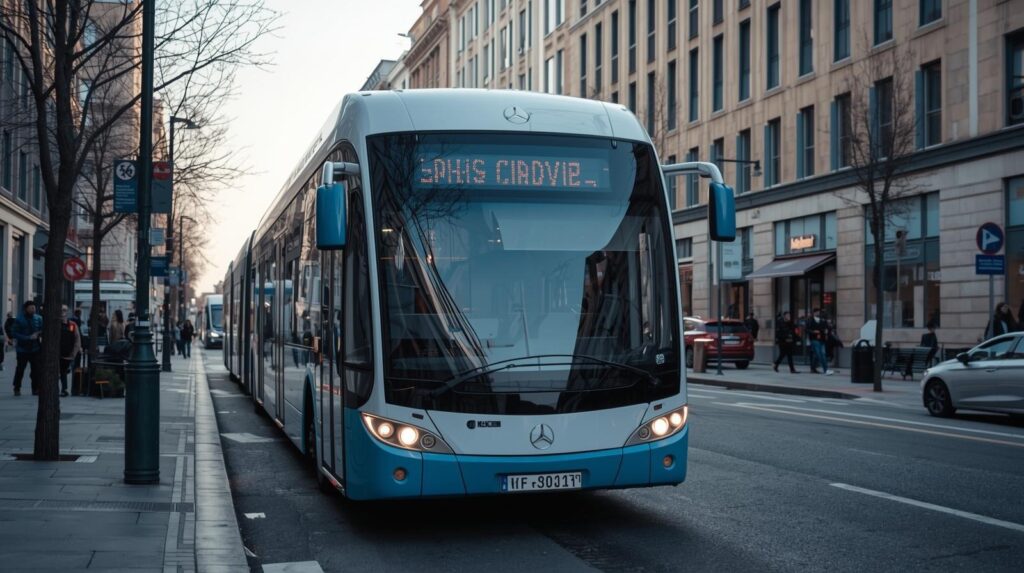
The evolution of transportation in major metropolises has allowed figures such as the conductor de InDriver en Perú to become pillars of the collaborative economy, while models like the Chevrolet Aveo 2025 redefine what we expect from an efficient and accessible vehicle for daily life.
The Transformation of Transportation in Latin America
Over the last decade, we have witnessed a radical shift in how we move through cities. The arrival of ride-hailing apps has not only provided convenience to users but has also opened a wide range of job opportunities for thousands. In the Peruvian context, the flexibility offered by the negotiated fare model has allowed many to find driving to be a stable source of income that is adaptable to their personal needs.
This phenomenon is not isolated. In Mexico, the demand for vehicles that combine low fuel consumption with cutting-edge technology has pushed brands to innovate constantly. The 2025 Chevrolet Aveo is a clear example of how the automotive industry responds to a market seeking durability and comfort without compromising the family or business budget.
The Driver’s Role in the Modern Economy
Being a driver in the digital age involves much more than just knowing how to drive. It requires efficient time management, a deep understanding of urban routes, and, above all, excellent customer service. Platforms have empowered individuals, allowing them to be their own bosses and set their own schedules. However, this empowerment comes with challenges, such as vehicle maintenance and personal safety.
For those looking to maximize earnings, the choice of car is fundamental. A vehicle with high fuel efficiency and low maintenance costs is the ideal work tool. This is where compact, proven models gain ground, offering the reliability needed for long workdays in city traffic.
Automotive Innovation: The 2025 Aveo as a Benchmark
The Mexican market has enthusiastically welcomed the new versions of the Aveo. With significant improvements in safety and connectivity, this model positions itself as one of the most balanced options in its segment. Its refreshed design is not just aesthetic; it aims to improve aerodynamics and, consequently, energy efficiency—a critical factor for both private drivers and transportation professionals.
The inclusion of infotainment systems compatible with smartphones ensures that the driver stays connected and can navigate with ease, reducing the stress of urban driving. Furthermore, reinforced safety standards provide peace of mind to all occupants, a value that is truly invaluable on the congested streets of our capital cities.
Sustainability and the Future of Mobility
Looking ahead, the trend points toward smarter and more sustainable mobility. The integration of real-time data to optimize routes and reduce emissions is already a reality. Cities are adapting their infrastructure to accommodate new forms of transport, and drivers are at the heart of this transition, adopting technologies that make their work safer and more efficient.
The synergy between tech platforms and automakers will continue to be the key to offering solutions that benefit society as a whole. Less traffic, less pollution, and more opportunities for development are the goals driving this industry in motion.
Closing
In conclusion, urban mobility is in a state of constant reinvention. Whether through individual entrepreneurship on transportation platforms or by acquiring latest-generation vehicles, Latin Americans are finding new ways to connect and progress. The road ahead is exciting and full of possibilities for those willing to adapt and leverage the tools that technology places at their fingertips.