
While vehicle painting may seem a simple and safe form of auto body repair, there are significant caveats to consider. Yes, painting a scratch is simpler than performing a frame straightening as part of a collision repair, but that doesn’t mean auto painting is “easy” or without risk. Whether its professional vehicle painting at an auto body repair shop or a DIY painting job, there are certain precautions that are necessary.
Vehicle Painting
Just as painting one’s home can mean many different things, so too can vehicle painting. Hiring a professional painting crew to redo everything before moving in is a lot different from painting the bedroom over a weekend by yourself. There are similar distinctions to make with auto painting.
There’s professional vs. DIY painting. There are full paint jobs covering every centimeter of the vehicle, and then there are touch-ups that fix scratches or that follow dent repair. Then, there can be significant differences between the paints themselves. High-luxe paint can be very expensive, while DIY paint kits can work in a pinch for functional vehicles.
The Risks Of Vehicle Painting
What risks are involved in painting a vehicle? It’s not like other types of auto body repair that require getting under a vehicle where calamities could happen, or even work that involves tinkering with the mechanics of a car. Given this, painting seems like a low-risk endeavor. But consider these potential issues:
Health Risks From Painting Fumes And Particulates
Vehicle paints, primers, and clear coats contain chemicals that can be hazardous to people if inhaled. In professional auto body repair shops, technicians must be careful to limit exposure to volatile organic compounds (VOCs). Furthermore, in the case of two-part urethane paints, isocyanates, which can be especially dangerous to the respiratory system.
Without proper ventilation, spray booths, and approved respirators, repeated exposure can lead to asthma, chronic lung irritation, headaches, or long-term respiratory damage. In DIY vehicle painting, the risk is often higher because garages and driveways rarely provide adequate airflow or filtration, and hobbyists may rely on inadequate masks that do not protect against chemical vapors.
Skin, Eye, And Fire Hazards
Vehicle paint products can also pose risks through skin contact or eye exposure. Solvents can cause chemical burns, allergic reactions, or long-term skin irritation if people don’t use proper gloves and protective clothing. Additionally, paint mist can easily irritate or damage the eyes.
Many automotive paints and thinners are highly flammable, so there’s a serious risk of fire or explosion if one is spraying near open flames, sparks, or poorly grounded electrical equipment. DIY painters may underestimate this danger, especially when working in home garages with heaters, extension cords, or household appliances nearby.
Environmental Risks And Improper Disposal
Automotive painting can negatively affect the environment if not managed correctly. Overspray and paint fumes contribute to air pollution, while improper disposal of leftover paint, solvents, and cleaning chemicals can contaminate soil and water. Professional auto body repair shops use filtration systems, spray booths, and approved waste-disposal methods. DIY painters often unknowingly violate environmental regulations by washing paint residue into drains or disposing of chemicals in household trash, increasing the risk of environmental harm and potential legal consequences.
Risks Of Costly Mistakes And Poor Results
Vehicle painting often involves precise preparation, mixing, application, and curing steps, and mistakes can be expensive. Incorrect surface preparation can lead to peeling, bubbling, or poor paint adhesion. Improper mixing ratios or spray techniques may cause uneven color, runs, or a rough finish. In professional settings, errors can result in costly rework, material waste, and customer dissatisfaction. In DIY scenarios, mistakes often mean starting over or paying a professional collision repair to correct the work, which can ultimately cost more than having the job done professionally from the start.
Long-Term Health And Quality Risks
Beyond immediate hazards, there are long-term risks to consider. Repeated exposure to automotive paint chemicals can accumulate in the body over time, especially for professionals who paint vehicles regularly. This is why strict safety compliance is critical.

From a quality standpoint, improper painting can reduce a vehicle’s resale value or compromise corrosion protection if bare metal is not sealed correctly. Both professionals and DIY painters must balance cost, safety, and quality, recognizing that vehicle painting is a task with significant risks if not handled carefully and responsibly.
Diy Vehicle Painting Vs. Professional Auto Body Repair Service
Wondering if you should attempt vehicle painting yourself or leave it to the professionals? There’s always value in learning a new skill, so by all means, try that touch-up yourself! However, if you can’t tell from what you’ve read already, this isn’t the kind of thing you should wing.
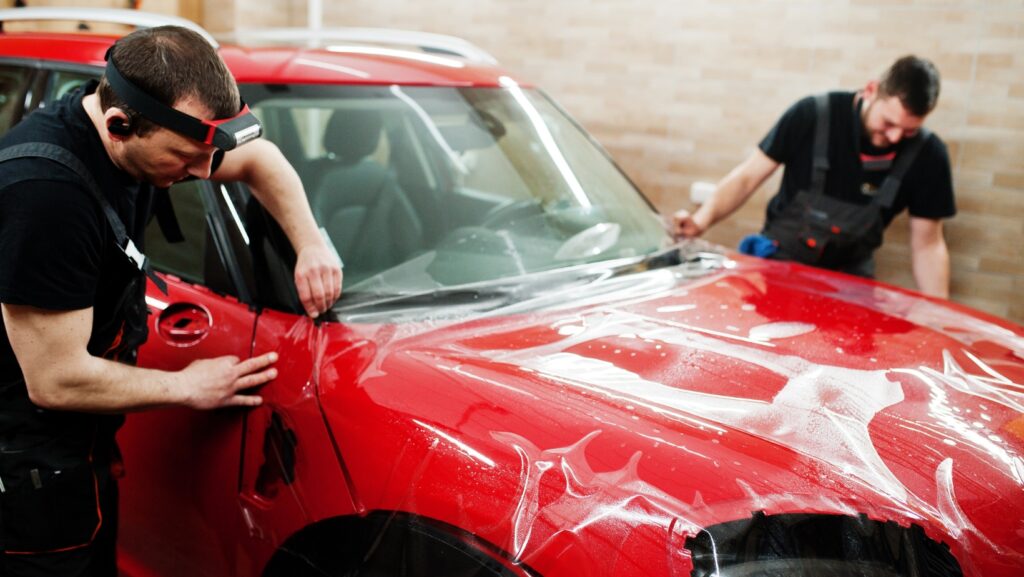
Professional collision repair shops go to great lengths to ensure the safety of their technicians and the environment writ large. Auto body repair businesses have an array of professional-grade tools and gear at their disposal, from sprayers to entire painting booths. And technicians go to great pains to ensure the vehicle painting is a success before even spraying a spot of paint. This can involve precise color matching, sanding, and taping off parts that aren’t to be painted.
If you want to attempt vehicle painting yourself, it’s important to learn about all the techniques you may need and all the precautions you should take before starting. That will give you the best chance of success. But if you don’t have the time to devote to all that prep, you can always leave your auto painting needs to a reputable auto body repair shop.