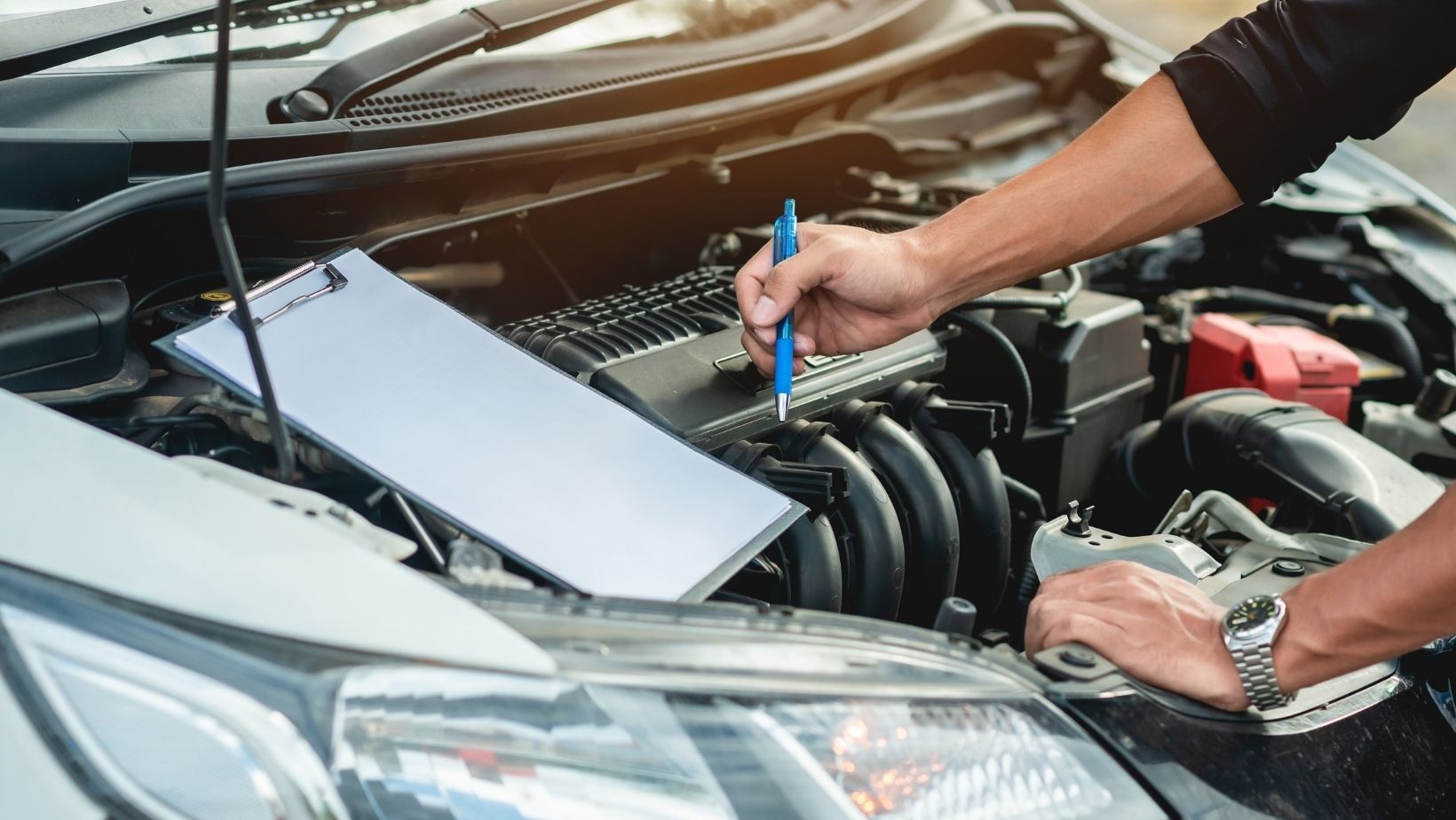
Keeping your vehicle in good condition requires more than occasional repairs. A consistent car maintenance checklist can help drivers stay ahead of common issues, improve performance, and reduce the likelihood of unexpected breakdowns. Whether you are commuting daily or taking longer trips, following basic auto repair tips and maintenance practices can help extend the life of your vehicle.
Why a Car Maintenance Checklist Matters
A structured car maintenance routine is generally useful for identifying small issues before they become more serious. Regular inspections and timely service can help:
- Improve vehicle safety and reliability
- Reduce long-term repair costs
- Maintain fuel efficiency
- Support overall vehicle performance
Drivers who follow a consistent maintenance schedule may be better equipped to avoid costly repairs and downtime.
Routine Maintenance Tasks Every Driver Should Follow
A basic car maintenance checklist often includes the following:
1. Oil Changes and Engine Care
Regular oil changes are essential for engine health. Over time, oil can break down and become less effective at lubricating engine components. Following manufacturer-recommended intervals is generally advised.
2. Tire Inspection and Rotation
Checking tire pressure, tread depth, and alignment can help improve handling and fuel efficiency. Rotating tires at regular intervals may also help ensure even wear.
3. Brake System Checks
Brake pads and rotors naturally wear down over time.
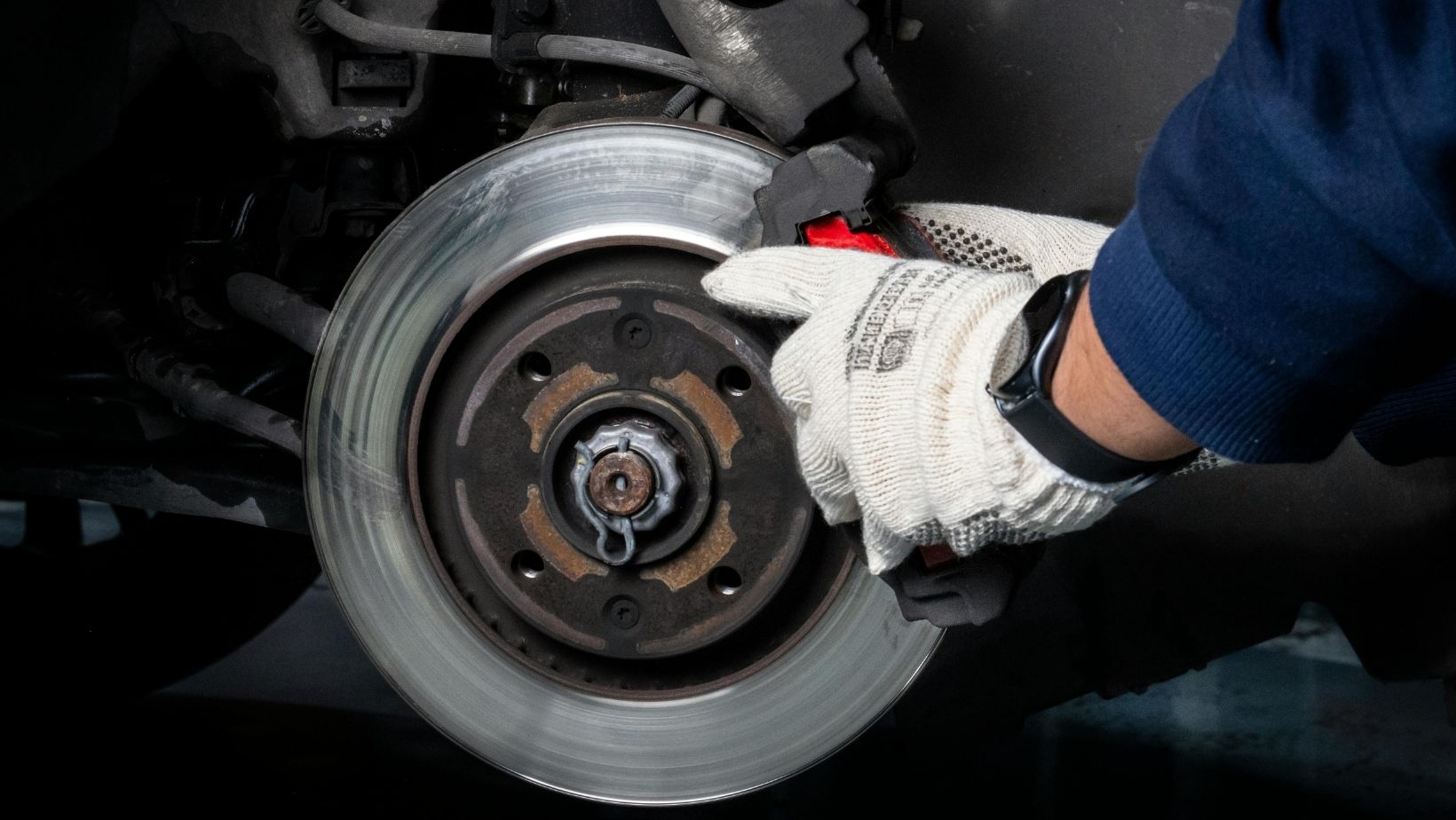
Monitoring for signs such as noise, vibration, or reduced stopping power can help identify issues early.
4. Fluid Level Monitoring
Maintaining proper levels of coolant, brake fluid, transmission fluid, and windshield washer fluid is important for overall system performance.
5. Battery and Electrical System
Testing the battery and checking electrical components may help prevent unexpected failures, especially in extreme weather conditions.
Common Auto Repair Issues to Look For
Even with regular maintenance, vehicles may develop issues over time. Some of the most common auto repair concerns include:
- Engine warning lights
- Suspension wear and alignment problems
- Cooling system issues
- Exhaust system concerns
Addressing these issues early can help prevent more extensive damage and higher repair costs.
Visibility and Safety Components You Shouldn’t Overlook
In addition to mechanical systems, visibility plays an important role in safe driving. Components such as headlights, mirrors, wiper blades, and vehicle glass all contribute to how clearly a driver can see the road and surrounding conditions.
Over time, these elements may degrade due to wear, weather exposure, or damage. Regular inspection can help identify issues that might otherwise go unnoticed. For example:
- Headlights may become dim or cloudy
- Wiper blades can wear down and reduce effectiveness
- Windshields may develop chips or cracks from road debris
In some cases, minor glass damage can worsen over time, especially with temperature changes or continued driving. When damage becomes more extensive or affects the driver’s line of sight, windshield replacement may be appropriate to restore visibility and maintain safety.
Drivers dealing with more significant damage may want to review options such as to better understand potential solutions. Since the condition and location of damage can vary, a professional assessment is often useful in determining the next step.
Seasonal Car Maintenance Tips
Vehicle maintenance needs can change with the seasons. Adjusting your car maintenance checklist accordingly may help improve performance year-round.
Summer Maintenance Tips
- Monitor engine temperature and coolant levels
- Check air conditioning performance
- Inspect tires for heat-related wear
Winter Maintenance Tips
- Test battery performance
- Check antifreeze levels
- Inspect wiper blades and defrost systems
Preparing for seasonal conditions can help reduce the risk of weather-related breakdowns.
Preventative Maintenance vs. Reactive Repairs
Preventative maintenance is generally aimed at reducing the likelihood of unexpected issues, while reactive repairs address problems after they occur. A proactive approach may include:
- Following a regular service schedule
- Keeping maintenance records
- Addressing minor concerns early
- Scheduling periodic inspections
While it may not eliminate all repair needs, preventative care can help improve vehicle reliability and longevity.
Endnote
A consistent car maintenance checklist, combined with practical auto repair tips, can help drivers maintain safer and more reliable vehicles. From engine care and tire maintenance to addressing glass damage when necessary, each component plays a role in overall performance. Taking a proactive and informed approach may help reduce long-term costs and support a better driving experience.