Detailers often deal with small paint problems that need careful work. These include paint chips, small scratches, wheel marks, and paint fading on small areas. Full repaint is not always the best option for these problems. Precision paint work is often faster, cheaper, and more practical. This is where airbrush tools become useful, especially when detailers need control over paint flow and spray size.
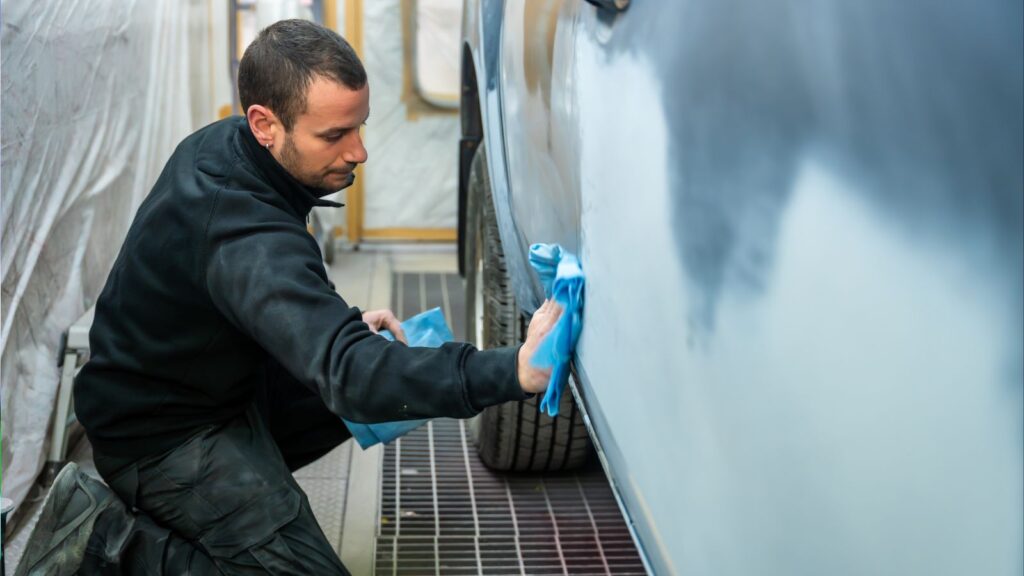
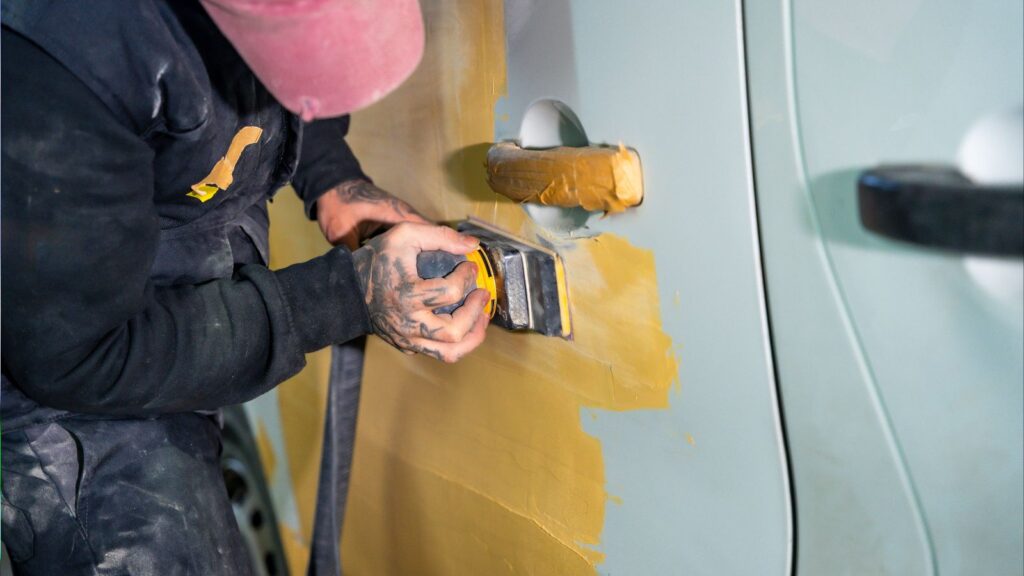
Precision paint work starts with surface preparation. Detailers first clean the area to remove dirt, wax, and oil. Paint does not stick well to a dirty surface, so this step is very important. After cleaning, they lightly sand the damaged area using fine grit sandpaper. This smooths the edges of the damaged paint and helps the new paint blend into the old paint.
Once the surface is ready, detailers prepare the paint. Paint must be thin enough to pass through the airbrush smoothly. If paint is too thick, it can cause uneven spray and rough texture. Many detailers test the paint on paper or scrap metal first. This helps them check paint flow and spray pattern before working on the car.
When detailers start painting, they focus on thin layers. Thin layers give better control and help the paint blend with the surrounding area. Thick paint layers can look uneven and may take longer to dry. By spraying thin coats and building color slowly, detailers can control the final look of the paint repair.
Hand movement also plays a big role in precision paint work. Detailers keep the airbrush moving while spraying. Stopping in one area can cause paint buildup. Smooth and steady hand movement helps create even paint coverage. Distance also matters. Holding the airbrush close helps with small details, while moving slightly farther away helps with wider coverage.
Many professionals prefer using an Iwata Eclipse airbrush for this type of work because it provides good control and consistent paint flow. It is often used for paint touch ups, wheel paint repair, and small panel blending. Detailers like tools that give them control over small areas without affecting the surrounding paint. Tools like the Iwata Eclipse airbrush are often used when precision matters more than speed.
Trigger control is another technique that detailers practice. Air comes first, then paint. When stopping, paint stops first before air. This method helps prevent paint splatter and keeps the spray smooth. This simple habit can improve paint results and reduce mistakes during touch up work.
Lighting is also important during precision paint work. Detailers use strong lighting to see paint coverage and surface texture. Good lighting helps them spot uneven paint before it dries. This allows them to fix the area while the paint is still workable.
After painting, detailers allow the paint to dry fully before polishing or finishing the area. Some small paint repairs need light polishing to blend the new paint with the old paint. This step helps make the repair less noticeable.
Precision paint work is not about spraying fast. It is about control, thin layers, and careful movement. Detailers focus on preparation, paint consistency, spray control, and patience. With the right process and the right tools, small paint repairs can look clean and well blended without repainting the entire panel. This is why precision airbrush work remains an important skill in automotive detailing and paint repair.