Want to stay safer behind the wheel without spending a dime?
Most crashes are not the result of drivers forgetting the rules of the road, but rather as the result of small habits formed over many years of driving. The frightening truth is…
These habits don’t even feel dangerous. Until they are.
Tens of thousands of people get into preventable, serious accidents every year. The good news is that these driving mistakes can easily be prevented with just a few simple changes to your routine. Even better, most of these safe driving tips are completely free — and they can significantly reduce your chances of getting tangled up in a serious car accident lawsuit later on.
Should the worst happen, a Virginia car accident lawyer will help you clean up the mess and get the compensation you deserve. The best solution, of course, is to avoid it altogether.
Here’s what’s covered:
- Why Safe Driving Habits Matter So Much
- The Most Dangerous Driving Habits To Break
- 7 Simple Habits That Cut Collision Risk
- What To Do Right After A Crash
Why Safe Driving Habits Matter So Much
Straight to the point…
Car crashes are a top cause of injury for all age groups. Speeding, distraction, and tailgating make up the majority of these. Just a few daily habit tweaks can take anyone from “high risk” to “safer than most.”
Building better driving habits means:
- Lower odds of a serious crash
- Lower insurance premiums over time
- Better protection for passengers, pedestrians, and other drivers
- Less chance of expensive legal trouble (like a car accident lawsuit)
All drivers have bad habits. The question is which habits are the most critical?
The Most Dangerous Driving Habits To Break
Before you form new habits…you must first un-form the old. The top offenders in the worst wrecks on the road today.
Distracted Driving
This is the big one.
Phone checks, eating, fiddling with the radio, daydreaming — these all divert attention from driving. And it only takes a few seconds to do serious harm.
According to the NHTSA, 3,275 people died in distracted driving crashes in 2023.
And here’s the punch line: The average text requires a driver’s eyes to be off the road for 5 seconds. At 55 mph, that’s the length of a football field… with your eyes closed.
Speeding
Speeding isn’t just a ticket risk.
It shortens your reaction time, increases your stopping distance and makes every crash a lot worse. In 2024, 29% of traffic fatalities were linked to speeding — one of the top killers on the road year after year.
Tailgating
Following too closely is the #1 cause of rear-end collisions.
Drivers who don’t leave 2 seconds (or more) between themselves and the car in front have almost no time to react if something goes wrong. That’s a recipe for an expensive crash.
Driving Tired Or Impaired
Sleep deprivation affects the brain much in the same way as alcohol. Drivers who are drowsy react slowly, make poorer decisions, and even fall asleep at the wheel. Impaired driving is one of the leading causes of fatal crashes even today.
7 Simple Habits That Cut Collision Risk
Now the good part…
These are the habits good drivers form and adhere to. Choose a few, practice them each time — they’ll become second nature in no time.
1. Put The Phone Away
The single most effective safe driving habit? Keep the phone out of reach.
That looks like:
- Setting the phone to “Do Not Disturb” before starting the engine
- Keeping it in the glovebox, bag, or back seat
- Using voice commands or hands-free systems for calls
If it isn’t in your hand, it can’t cause a crash.
2. Always Wear A Seat Belt
Seat belts are one of the most effective safety tools ever invented.
They halve the likelihood of severe injury and death in crashes. That’s a big payoff for 2 seconds of effort before the engine even starts.
Everyone in the vehicle should buckle up — every single trip.
3. Follow The 3-Second Rule
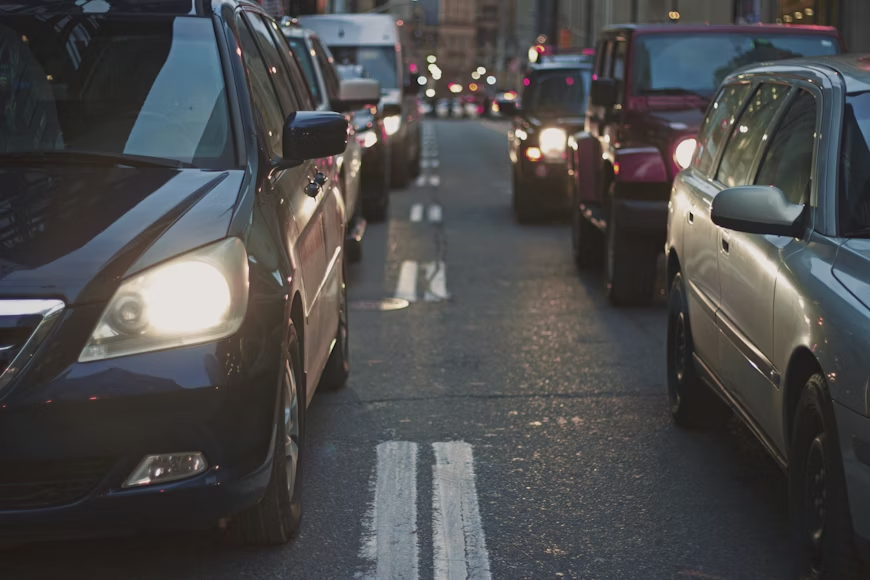
Tailgating is everywhere. Staying 3 seconds behind the car in front can change everything.
Here’s how to check it:
- Pick a fixed point like a sign or tree
- When the car ahead passes it, start counting
- If you reach it before 3 seconds are up, back off
In bad weather, stretch the gap to 5 or 6 seconds for extra safety.
4. Stick To The Speed Limit
Speed limits aren’t just suggestions.
Driving just 5 to 10 mph over can double your stopping distance. It can also turn a minor fender bender into a serious injury crash. Drive at the limit, with extra cushion when roads are wet, icy or jammed with traffic.
5. Check Blind Spots Before Changing Lanes
Mirrors don’t catch everything.
Checking your blind spot with a quick shoulder glance before a merge or lane change reveals the vehicles lurking there. This simple practice avoids thousands of side-swipe collisions each year.
6. Scan The Road Ahead
Smart drivers don’t just watch the car directly in front of them.
Drivers look 10 to 15 seconds ahead. They search for brake lights, stopped traffic, and hazards. This extra time is huge for reacting before something turns ugly.
7. Keep The Vehicle Well Maintained
A well-maintained car is a safer car. Simple as that.
Regularly inspect your tyres, brakes, lights and wipers. Worn out tyres, bad brakes and dim headlights increase your risk of a crash, even if you’re the safest driver in the world.
What To Do Right After A Crash
Even great drivers get into crashes sometimes. It happens.
If it does, stay calm and take the right steps:
- Check for injuries and call 911 if needed
- Move vehicles to a safe spot if possible
- Take photos of the scene, damage, and plates
- Exchange contact and insurance info with the other driver
- Never admit fault at the scene
One of the most important things is to get legal advice as soon as possible — particularly where injuries or significant damage have occurred. An experienced attorney can assist with insurance claims, negotiate with the opposing party and ensure that a driver’s rights are protected in the event of a dispute.
The Final Word
Safe driving isn’t about perfection. It’s about the accumulation of small habits over many years.
To quickly recap:
- Put the phone away every single drive
- Buckle up on every trip
- Use the 3-second rule
- Stick to the speed limit
- Check blind spots before changing lanes
- Scan the road ahead 10-15 seconds
- Keep the vehicle well maintained
They don’t cost a dime. But they can reduce the chances of a serious wreck — and the anxiety, medical expenses and possible car accident lawsuit that follows it — by a lot.
Build them. Stick with them. And drive home safe.