If practicality is your priority, you’re better off driving a secondhand vehicle than taking your chances with a new model. You may not have enough to finance a newly launched vehicle anyway, so a used car could help you save money until you’re ready to buy a shinier model. However, opting for this comes with numerous trade-offs. You could be paying less than the average price of today’s cars on the market, but there’s a good chance that you will end up with a secondhand vehicle that hardly suits your needs.
For one, you could be driving a gas-guzzler or even a car that has undergone numerous repairs and yet was sold to you at a higher price. Even when you’re shopping around for secondhand options, you should always focus on getting the most value out of your purchase. Before you decide on buying a used car that fits your needs, give it a closer look, starting with these essential factors:
1. Assess the Appearance of the Vehicle
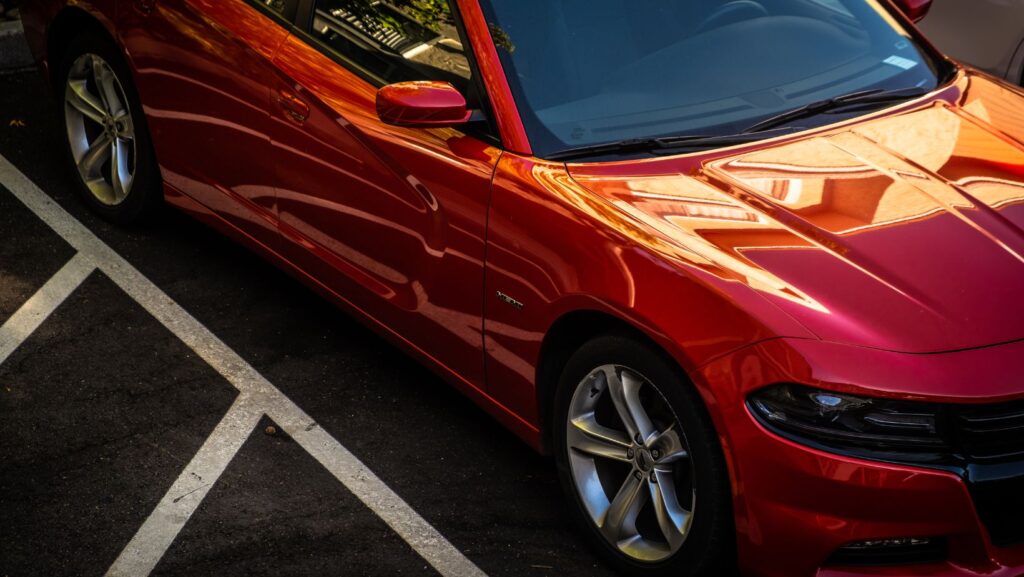
When it comes to saving money for a used vehicle, the same principle for buying a new one applies: Never settle for what’s good enough. You might think you need only a vehicle that does a good job getting you from point A to point B, but the exterior appearance speaks volumes about its longevity. If a car looks bad on the surface, you can only assume that it performs just as badly. It simply indicates that the previous owner neglected it.
The previous owner might have wanted to sell the vehicle right away without much tuning and at a fraction of the total cost. If that were the case, then don’t expect the interior and the engine to be just as good as what you see on the outside, unless you don’t mind buying on a bare-bones budget.
2. Check the Essentials
Then again, appearances can be deceiving. Some owners may pay less attention to repainting the body and smoothing out dents in favor of improving performance and longevity. Especially if you’re buying a car that’s perfect for long-distance travel, you will want to check the vehicle’s maintenance history and check if the car has good mileage, which shouldn’t exceed 12,000 miles per year.
You should also do an ocular inspection of the engine and detect any signs of rusting and deterioration. To get a better feel of how the engine performs, ask the owner or seller if you could do a cold start, which could reveal noises that may indicate critical issues such as a failed tensioner or, worse, damaged rod bearings.
3. Never Overlook Health Risks
When it comes to buying a secondhand vehicle, buyers may focus too much on appearance and performance and set aside other equally important factors. For one, the vehicle’s upholstery may be infested with ticks and bedbugs, while a mold infestation undisclosed by the previous owner could spell trouble if you have lung issues.
It’s also important to check if the vehicle consists of materials and parts such as brake pads and insulation made from asbestos, which are common among older cars. According to Mesothelioma Hope, prolonged asbestos exposure could cause mesothelioma, a type of aggressive lung cancer. These issues should be revealed before signing a purchase agreement.
4. Find Room for Negotiation
As an additional tip, it pays to know you could negotiate for a lower price if you are able to detect issues that justify a major markdown. If you’re not too convinced by the test drive, you can look up similar secondhand listings within your neighborhood and determine if you will be paying more than what you’re supposed to.
Endnote
A secondhand vehicle may seem practical, but when you focus more on how much money you will save than on whether you get the most value out of your purchase, you might as well set aside funds for a new model.