The push towards electric vehicles is growing across Leicestershire. Many drivers are weighing up whether to ditch their traditional petrol or diesel cars. Leicester City Council has made noticeable efforts to upgrade the local infrastructure, installing more charging points across the city. However, the experience of owning an electric vehicle depends heavily on where you live and your daily commute.
Read on to see whether making the switch makes sense for your lifestyle and how the infrastructure and costs stack up in 2026.
How Used Electric Car Prices Compare to Petrol
The financial side of buying a car has shifted significantly over the last couple of years. According to recent data from the Society of Motor Manufacturers and Traders (SMMT), used electric vehicle sales jumped 45.7% in 2025 to a record 274,815 transactions, making EVs the fastest-selling fuel type in the used market.
Average prices have fallen to around £20,000, down from roughly £39,000 just three years ago. However, with supply stabilising in 2026, that rapid price decline is beginning to level off, making now a reasonable time to consider buying. Even so, the initial purchase price for an electric vehicle often stays higher than a comparable petrol model.
If you are looking at upgrading your vehicle, it is worth exploring options for car finance in Leicester to see how it fits your monthly budget. Providers like Carmoola offer ways to check your budget before you visit a dealership. Securing the right deal can help balance the higher purchase price of an electric car against its lower running expenses.
When you look at a second-hand electric vehicle, battery health is a critical factor in determining its overall value. In 2026, buyers are much more aware of how battery degradation affects the driving range and resale value of a vehicle. A car with a degraded battery will need more frequent charging stops, which can become expensive and inconvenient.
For this reason, you should always request a battery health report or State of Health certificate from the seller before finalising any purchase. While there is no government-mandated standard in the UK yet, a number of accredited third-party services now provide these diagnostics, and a reputable dealer should be able to supply one.
The Reality of Charging Without a Driveway
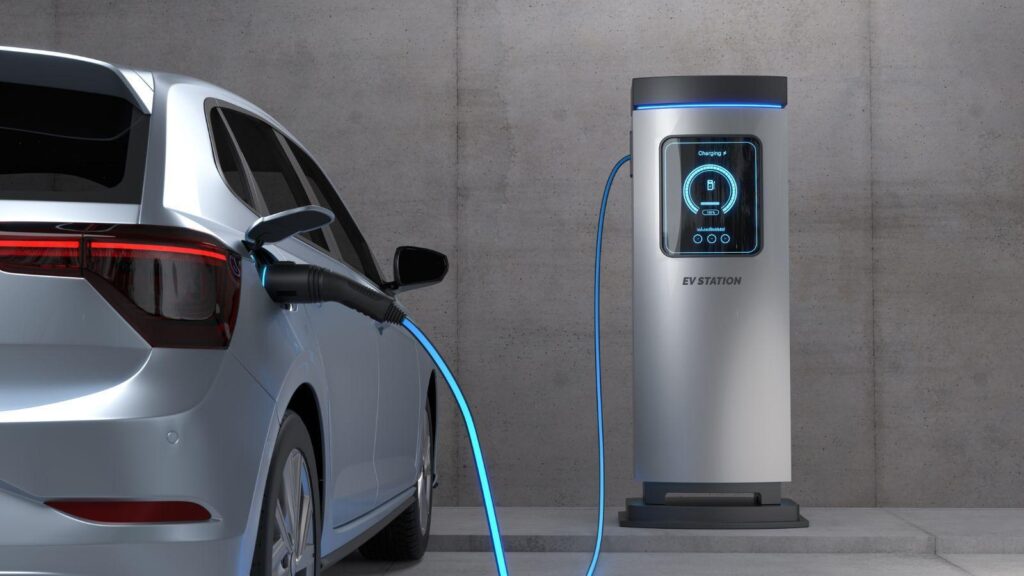
If you have a private driveway in a commuter town like Oadby or Wigston, charging an electric car is straightforward. You can install a home wallbox and take advantage of cheap overnight electricity tariffs. This method makes running an electric car highly economical compared to buying petrol, and it saves you from having to rely on public stations during your weekly routine.
The situation is very different for drivers who rely entirely on the public network. Data from Zapmap shows that public charging rates vary widely depending on the speed of the charger and the provider. As of April 2026, the national weighted average PAYG price stands at 54p per kWh for standard chargers and 79p per kWh for rapid and ultra-rapid chargers, compared to as little as 9.5p per kWh on a competitive home EV tariff.
Using rapid chargers along major routes, such as those found near the M1’s Leicester Forest East services between junctions 21 and 21A, or at retail parks around the ring road, can cost significantly more than charging at home. It is worth noting that charger availability at any specific location can change, so always check the Zapmap app before setting off.
For residents in Belgrave or Highfields, relying on on-street chargers means dealing with availability issues. Drivers frequently find that local charging bays are occupied or restricted by local parking rules. Until on-street infrastructure becomes more reliable, these practical challenges remain a significant barrier for many city residents.
What Local Commuters Must Consider
Your daily driving habits should play a major role in your final decision. Electric cars perform exceptionally well on short urban journeys, such as driving through the city centre. The regenerative braking system recaptures energy during deceleration and feeds it back into the battery, which makes city driving highly efficient and extends the range between charges.
On the other hand, regular long-distance commuters face a different set of challenges. If your job requires frequent trips up the M1 or long journeys across the East Midlands, you will need to plan your routes around available rapid chargers. Here are a few key elements to evaluate before choosing your next vehicle:
The Final Verdict
Switching to an electric car offers clear environmental benefits and low running costs for Leicester drivers with home charging access. Falling used car prices make electric options more accessible than in previous years, though that window may be narrowing as the market stabilises.
However, the lack of widespread, reliable on-street charging means residents in terraced housing face ongoing challenges. You must weigh up your charging options and initial budget before deciding if the switch is right for you today.