Halcyon HybridGine Ramechanic combines heat-driven power with precise control. This guide explains what halcyon hybridgine ramechanic means, how it works, and how to keep it reliable. It lists core terms, shows main parts, and gives clear maintenance steps. The reader gets practical instructions and quick troubleshooting checks for safe daily use.
Key Takeaways
- The Halcyon HybridGine Ramechanic integrates thermal generation with electric drive for efficient, steady power output.
- Its HybridGine module and Ramechanic controller work together to optimize energy use, reduce fuel consumption, and lower emissions.
- Routine maintenance like filter swaps and coolant inspections is essential to maintain the system’s high performance and reliability.
- This hybrid system excels in applications needing fast response and consistent power, such as data center backups and microgrids.
- Proper installation with grounding, ventilation, and safety checks ensures safe operation and longevity of the Halcyon HybridGine Ramechanic.
- Operators should monitor system parameters and keep detailed logs to quickly troubleshoot and sustain optimal efficiency.
What Is Halcyon HybridGine Ramechanic? Core Concepts And Terminology
Halcyon HybridGine Ramechanic is a hybrid power system that mixes thermal generation and electric drive with an advanced control layer. The halcyon hybridgine ramechanic name refers to the HybridGine power core and the Ramechanic control stack. Users should learn three terms: HybridGine module (the energy source), Ramechanic controller (the software and sensor set), and power harmonizer (the interface that balances loads). The system targets steady output, fast response, and low fuel use. Technicians treat it as an integrated unit rather than separate parts.
How It Works: Core Components And Operating Principles
The device runs by converting thermal energy into electrical energy, then feeding that energy to motors or batteries under Ramechanic control. The halcyon hybridgine ramechanic pairs a combustion or heat-exchange core with power electronics. The controller reads sensors, adjusts valves, and orders generators to match demand. The design reduces waste by shifting load between thermal and electric modes. Operators monitor output, temperature, and fuel flow. The system shifts modes automatically to keep efficiency high and emissions low.
HybridGine Module: Thermal‑Electric Integration And Performance Traits
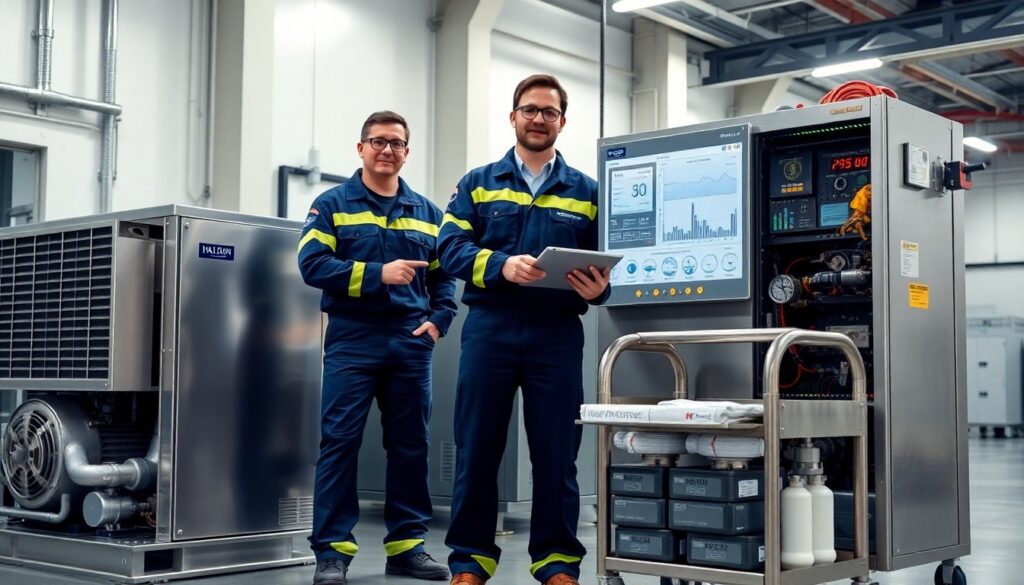
The HybridGine module houses the heat source, alternator, and inverter. The module seals heat paths and routes coolant to keep temperatures safe. The halcyon hybridgine ramechanic HybridGine uses staged combustion and a variable-speed alternator to match power needs. The module supports quick starts and low-idle runs. Typical performance traits include steady voltage, fast transient response, and high thermal-to-electric conversion in mid-load ranges. Maintenance focuses on heat exchangers, bearings, and inverter cooling. These checks keep output stable and prevent premature wear.
Benefits And Use Cases: Where Halcyon HybridGine Ramechanic Excels
The system saves fuel by switching modes based on demand. The halcyon hybridgine ramechanic reduces peak draw on grid ties and extends runtime for remote sites. Use cases include backup power for data centers, microgrid anchors, and mobile generator fleets. The system fits sites that need steady power and fast response. The device cuts emissions compared with old standby generators. Operators value predictable output, small footprint, and easy integration with battery systems.
Installation, Routine Maintenance, Safety Checklist, And Common Troubleshooting
Installers mount the unit on a level pad and connect fuel, coolant, and electrical interfaces per manual. The halcyon hybridgine ramechanic requires full grounding and ventilation. Routine maintenance includes weekly visual checks, monthly filter swaps, and annual coolant and valve inspections. The safety checklist covers emergency stop function, pressure relief valves, and sensor redundancy. The maintenance log should record runtime, firmware versions, and fault history. Operators train staff on shutdown and safe access procedures before the first run.