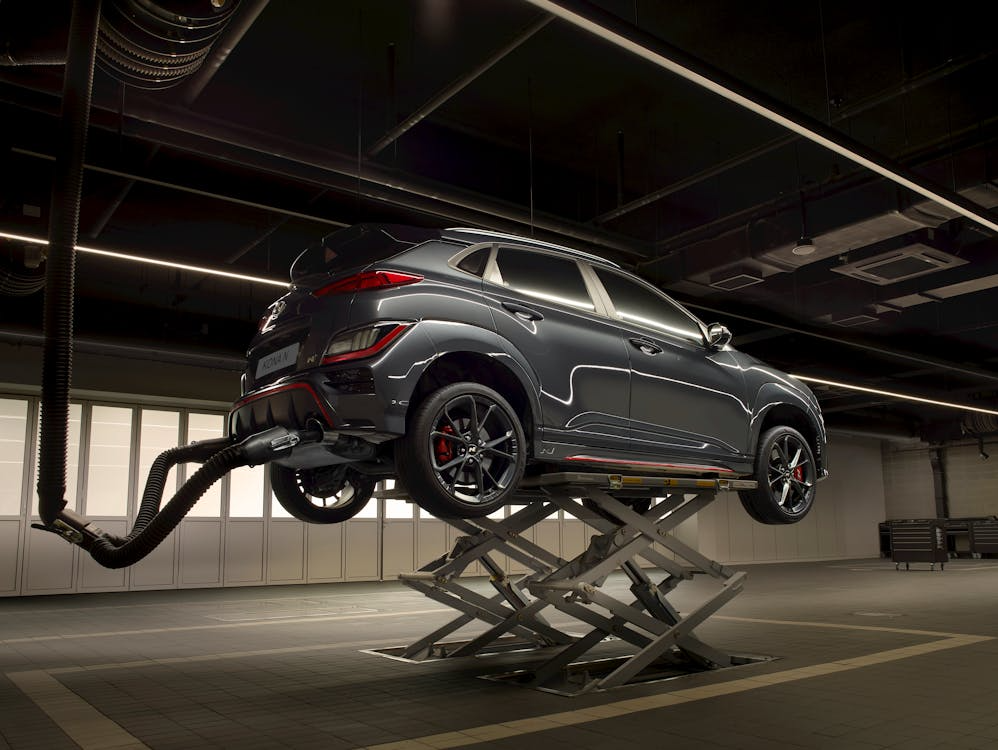
Modern cars do more than protect you in a crash; they also try to prevent one. Cameras watch lane lines, radar tracks the vehicle ahead, sensors judge distance, speed, and closing time, and even a minor accident can shift parts by millimeters. After the body is repaired, your car can look perfect, yet its safety tech features can be subtly miscalibrated. Here are reasons why your car safety features might not work the same after an accident.
Many advanced driver assistance systems are built around precise angles and distances. A small bump to a bumper cover, grille, windshield, or side mirror can move a camera or radar unit enough to change what it sees. Your dash might show no warnings, but the system can still be off. This is where restoring your vehicle’s safety systems matters, because calibration brings sensors back to the manufacturer’s specifications, not just back into place.
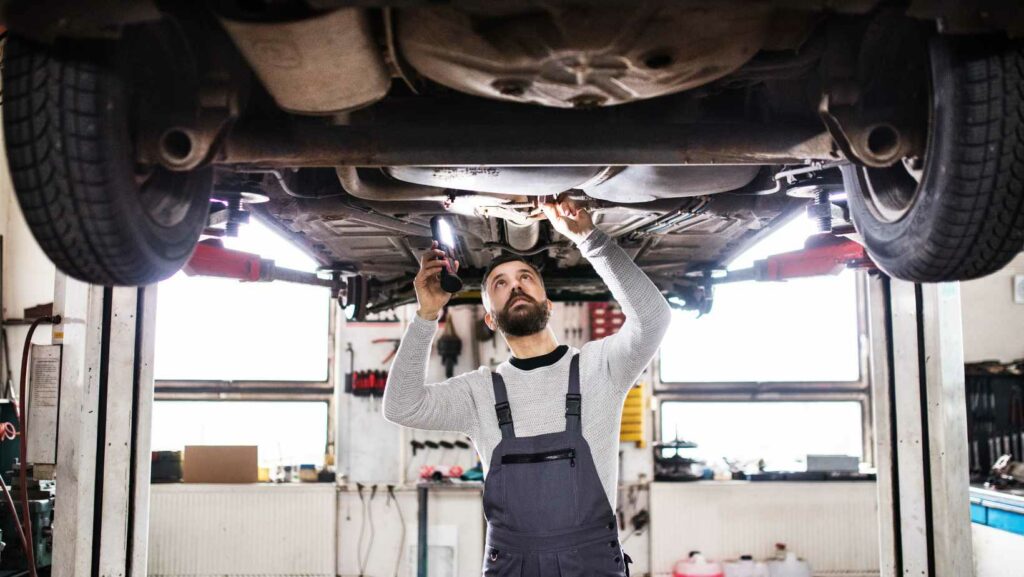
After a crash, your wheels can be out of alignment, or a component can be subtly bent. If the car sits higher or lower on one side, sensors may point the wrong way. Even a “drivable” car can have steering that is off-center, tire wear starting, or a pull you only notice on the highway.
These clues matter because the driver assistance system assumes the vehicle is tracking straight. Fixing alignment and verifying suspension geometry supports safer, more predictable tech behavior.
Some systems are designed to adjust while you drive. This sounds reassuring, but it can hide issues. A camera may try to learn lane lines with a skewed view. Radar may filter noise and still deliver a signal, but with reduced accuracy. You might only notice on a rainy night, in heavy traffic, or on a curved road. The moment you need the tech most is when it can perform the worst.
Drivers often assume that no warning light means no problem. But many safety features can be partially working, or working in limited conditions, without triggering an alert. Some vehicles only flag a failure when the system is far out of range.
Others may show a message that disappears after a restart, which can create false confidence. A proper scan and calibration check confirms performance, not just presence.
A post-collision safety check protects you and your wallet
When safety systems are off, you may get late braking, missed alerts, or annoying false alarms. This can raise stress and increase risk. It can also cause extra wear, because you may brake harder and react later. If you plan to sell the car later, proof of calibration and correct repair helps the value. Most of all, it lets you drive with trust again.
Endnote
After a collision, do not judge safety by paint, panel gaps, or a smooth test drive. Ask for a scan, alignment verification, and calibration when cameras, radar, or sensors are involved. If the shop repaired the body, ask who verifies the electronics, get it documented, and be sure to keep the paperwork for your records. It is a small step that restores confidence, and it helps your car protect you as designed.